

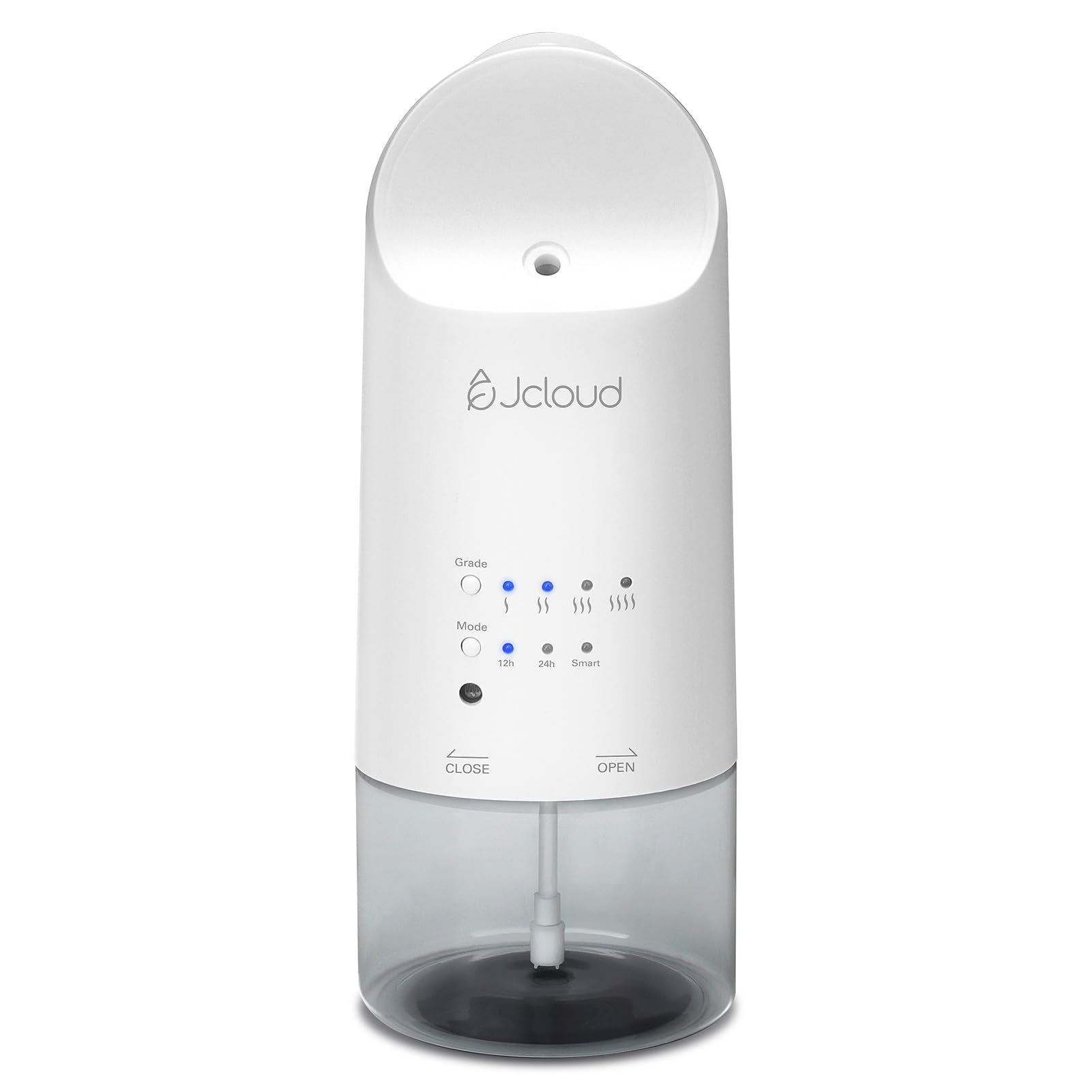






One of the most common questions people ask after bringing a diffuser into their home has nothing to do with the diffuser itself. A few weeks go by, the fragrance seems less noticeable than it did at the beginning, and people start wondering whether the machine is working properly, whether the oil is running low, or whether the scent just wasn't as strong as they thought.
Most of the time, none of those things are the problem.
Your guests walk in and immediately notice the fragrance because they're experiencing it for the first time. You've been living with it every day. The scent is still there, and your nose is still detecting it. What's changed is the way your brain responds to a smell that has become familiar. Scientists call this olfactory adaptation. Most people know it as nose blindness, and the good news is that it's completely normal. In fact, it's exactly how the sense of smell is supposed to work.
[product=citrus-grove]
A bright, zesty citrus blend that's commonly chosen as a "wake-up" scent. Sparkling lemon, orange, and bergamot notes read as fresh and new the moment they hit the air.
[/product]
What Does It Mean to Be Nose Blind?
Being nose blind doesn't mean you've lost the ability to smell something. It means your brain has stopped drawing your attention to it. Human senses are designed to notice change. A new smell drifting into the room might be important. Smoke, food, flowers, rain, or something burning all tell us something about our environment. A scent that's been present for hours, however, isn't providing much new information, so the brain gradually treats it as background noise.
Most people have experienced similar things with other senses. You notice a watch on your wrist when you first put it on, but after a while you stop feeling it. You notice the hum of a fan when it starts running, but eventually it fades into the background. Smell works in much the same way, which is why visitors often comment on how good your home smells while you're standing in the same room wondering whether the diffuser oil is doing anything at all.
The Science Behind Nose Blindness
The technical term for what's happening is olfactory adaptation. When you encounter a scent for the first time, receptors in your nose respond strongly and send information to your brain. As exposure continues, that response gradually decreases. The fragrance hasn't disappeared and your nose hasn't stopped detecting it, but your brain becomes less interested in bringing that information to your conscious attention.
This isn't a flaw in the system. It's actually one of the reasons the sense of smell remains useful. If your brain treated every familiar scent as equally important all day long, it would be much harder to notice something genuinely new entering your environment. You'll also see terms such as olfactory fatigue, smell fatigue, and odor fatigue used when people discuss fragrance. In everyday use, they're generally describing the same experience: a scent becoming less noticeable after continuous exposure.
There's another phenomenon that's sometimes confused with nose blindness. If you've ever spent time in a candle store, fragrance showroom, or perfume department, you've probably noticed that after smelling enough products, they start blending together. At some point it becomes difficult to tell what you're smelling anymore. That's often referred to as olfactory overload. Instead of adapting to one scent, your nose is trying to process too many competing scents at the same time. Neither situation means anything is wrong with your sense of smell. Even professional perfumers and fragrance evaluators deal with adaptation every day.
Why It Happens So Easily at Home
Your home creates the perfect conditions for nose blindness. The first reason is simple: you're there more than anywhere else. Your brain spends hours every day exposed to the same environment and eventually classifies much of that sensory information as familiar. Consistency plays a role as well. Many people run the same fragrance oil for weeks or months at a time. They use the same diffuser, in the same room, at roughly the same intensity every day. From your brain's perspective, there isn't much that's changing.
There's also something you never get to experience in your own house: a true first impression. When you walk into a hotel lobby, restaurant, or friend's home, you're encountering that environment with fresh senses. The fragrance immediately stands out because it's new. Your own home doesn't give you that opportunity very often because you're constantly surrounded by it.
This is usually the point where people start asking a different question: if I've become nose blind to my fragrance, could I also be missing other odors? In most cases, if you still notice your home's scent after spending time away and then returning, you're probably fine. If the fragrance feels weaker than it used to, it's often a sign that you've adapted to it rather than a sign that the fragrance has disappeared.

How Long Does Nose Blindness Last?
Usually not very long. Nose blindness isn't permanent, and it isn't a sign of anything wearing out. It's a temporary adjustment that reverses on its own. Adaptation can begin surprisingly quickly, and depending on the scent and the environment, you may become less aware of a fragrance within minutes of continuous exposure. In familiar spaces like your own home, the effect can feel almost immediate because your brain already knows what to expect.
Recovery tends to happen just as quickly. A period of fresh, unscented air is often enough to restore your sensitivity. Many people find that after spending twenty minutes outside, running errands, or taking a short walk, they can smell their home's fragrance again when they return.
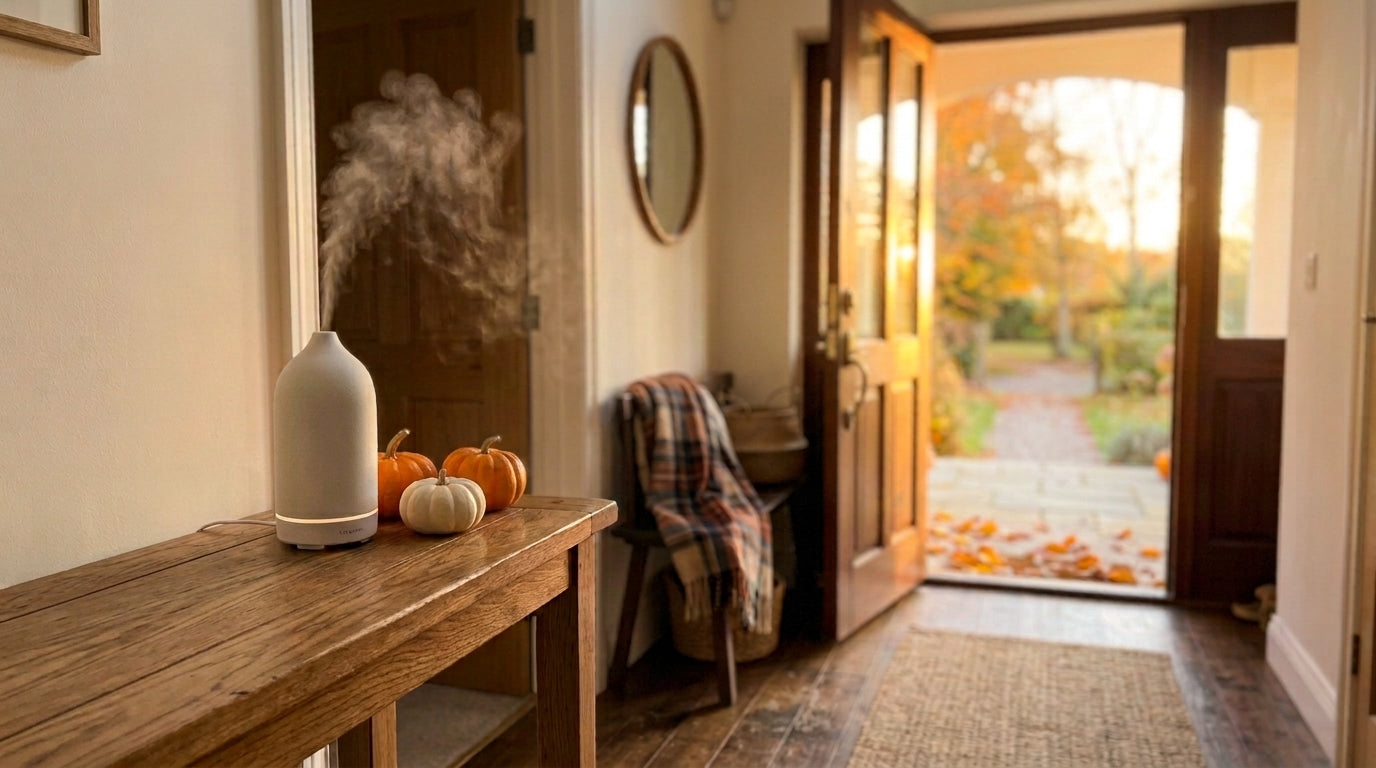
One of the simplest ways to evaluate how your home actually smells is to leave for a while and then come back through your usual entrance. Pay attention to your first few breaths. That initial impression is often much closer to what visitors experience than what you notice after you've been inside for several hours.
Does the Coffee Bean Trick Actually Work?
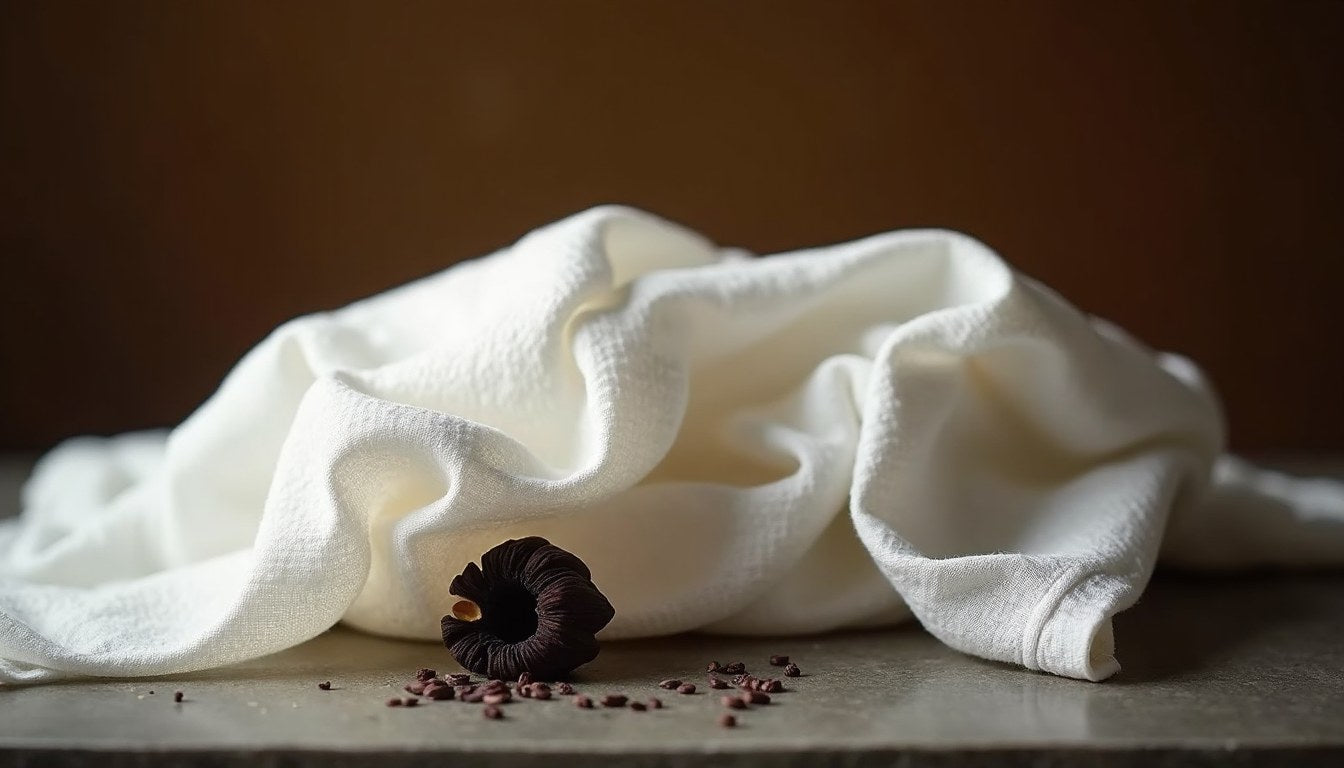
If you've ever visited a perfume counter, you've probably seen a bowl of coffee beans offered as a way to "reset" your nose between fragrances. The idea has been around for years, although the science behind it is less impressive than many people assume. Coffee doesn't erase the scent you were smelling before. What it does provide is a strong contrast. Shifting your attention from one smell to something completely different can make it easier to evaluate the next fragrance.
Some fragrance professionals still use coffee beans when comparing scents. Others prefer stepping outside for fresh air or smelling their own skin, which serves as a familiar baseline scent. For someone trying to determine what their home actually smells like, fresh air is usually the better option. Coffee can be useful when comparing several fragrance oils side by side, but leaving the environment entirely remains the most reliable way to reset your sense of smell.
How to Keep Your Home Fragrance Noticeable
One thing that surprises people is how often they buy diffuser oil scents that are extremely similar to one another. Even when choosing from a list of the best diffuser oils, most of us gravitate toward the same family every time, so a collection ends up with three different citrus scents or several variations of soft florals. While those fragrances have differences, they don't always create enough contrast for your brain to experience them as something truly new.
Rotating between distinct scent families tends to work better. Moving from bright citrus to warm woods, from fresh linen notes to richer amber fragrances, creates a stronger sense of change. When you eventually return to a previous favorite, it often feels far more noticeable than it did before. Many people find that changing fragrances every three or four weeks works well, although there's nothing magical about that timeline. It's simply around the point where a scent often starts feeling less prominent.
It can also help to think about your home as a collection of spaces rather than one large room. When every area smells identical, your brain adapts to the entire environment more quickly. A bedroom, living room, and entryway with slightly different fragrance profiles can create a more dynamic experience as you move through the house. Diffuser schedules matter too. A fragrance that cycles on and off throughout the day tends to attract more attention than one that's released at exactly the same intensity around the clock. Variation gives your nose something new to notice.
If you're building a fragrance rotation for the first time, sampling several different scent families before committing to full-size bottles is often more useful than buying multiple versions of the same style. The greater the contrast between fragrances, the easier it is to keep each one feeling fresh.
Smelling Your Home Again
Nose blindness can be frustrating because it creates the impression that a fragrance has stopped working when that's rarely the case. More often, your brain has simply become efficient at filtering out something it encounters every day. A little time away from home is usually enough to bring that scent back into focus, and rotating fragrances occasionally, creating contrast between rooms, and giving yourself periodic breaks from continuous exposure can all help you experience your home more the way a visitor would.
The next time someone walks through your front door and comments on how good your house smells, there's a good chance they're noticing exactly what you intended them to notice. They've arrived with a fresh perspective, while your brain has been quietly treating that same fragrance as part of the background for weeks.