






Ask a room full of people what Christmas smells like and you'll probably get a few different answers. Some will say pine or fir. Others will go straight to cinnamon, gingerbread, or something sweet coming out of the oven. Then there are the scents that don't get mentioned as often, like frankincense, myrrh, sandalwood, and warm amber.
Those differences actually matter when you're trying to make your house smell like Christmas. If you rely entirely on cinnamon and sugar, you can end up with a house that smells festive but more like a bakery than the holidays. The most convincing Christmas scent usually has some green, some spice, and something warmer underneath holding it all together.
What Does Christmas Smell Like?
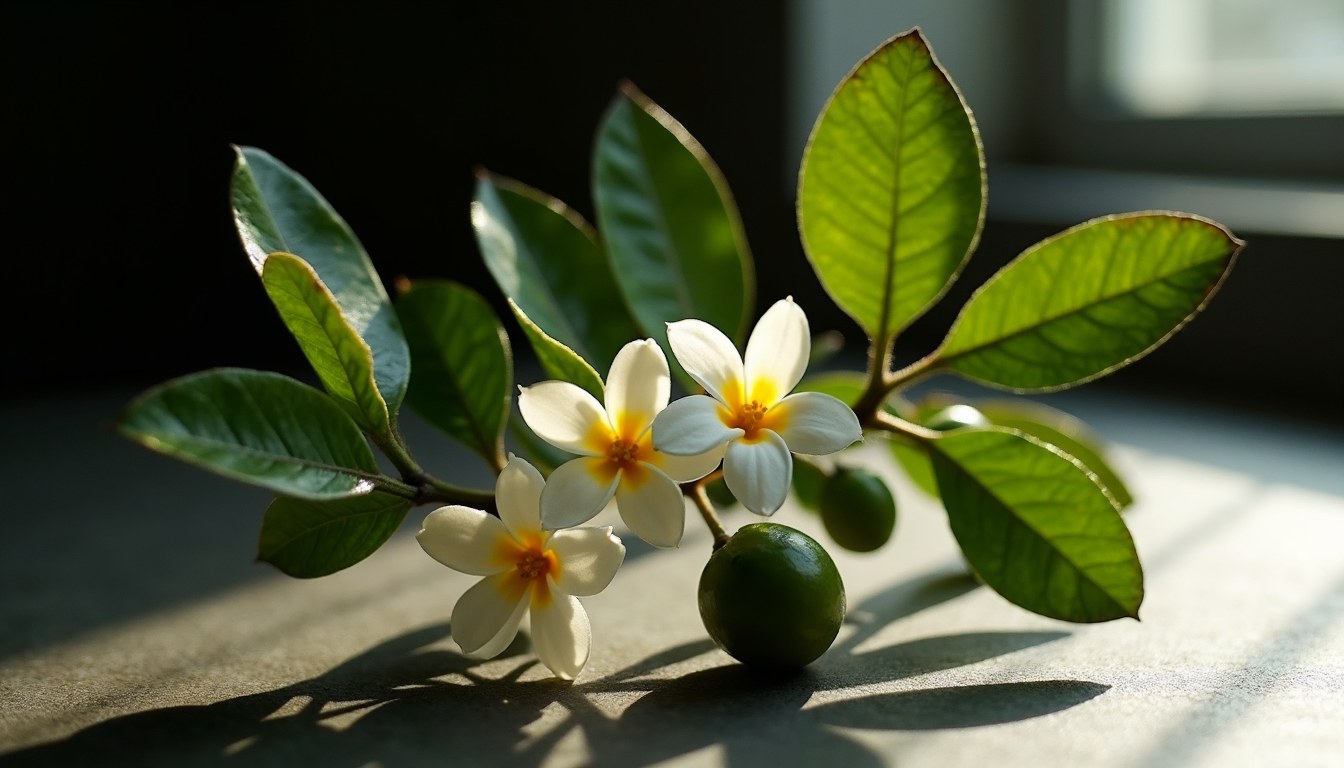
The first family is evergreen. Fir, pine, spruce, and cedar all have that green, resinous character that immediately brings the outdoors inside. It's probably the scent most people associate with Christmas, and it's also the one they're least likely to actually have filling the house.
[product=fraser-fir-pine-needle]
Cut evergreen with the resinous, slightly sharp green note that most people picture first when they think of Christmas. This is the scent a real tree gives off during its first week, made to last the whole season.
[/product]
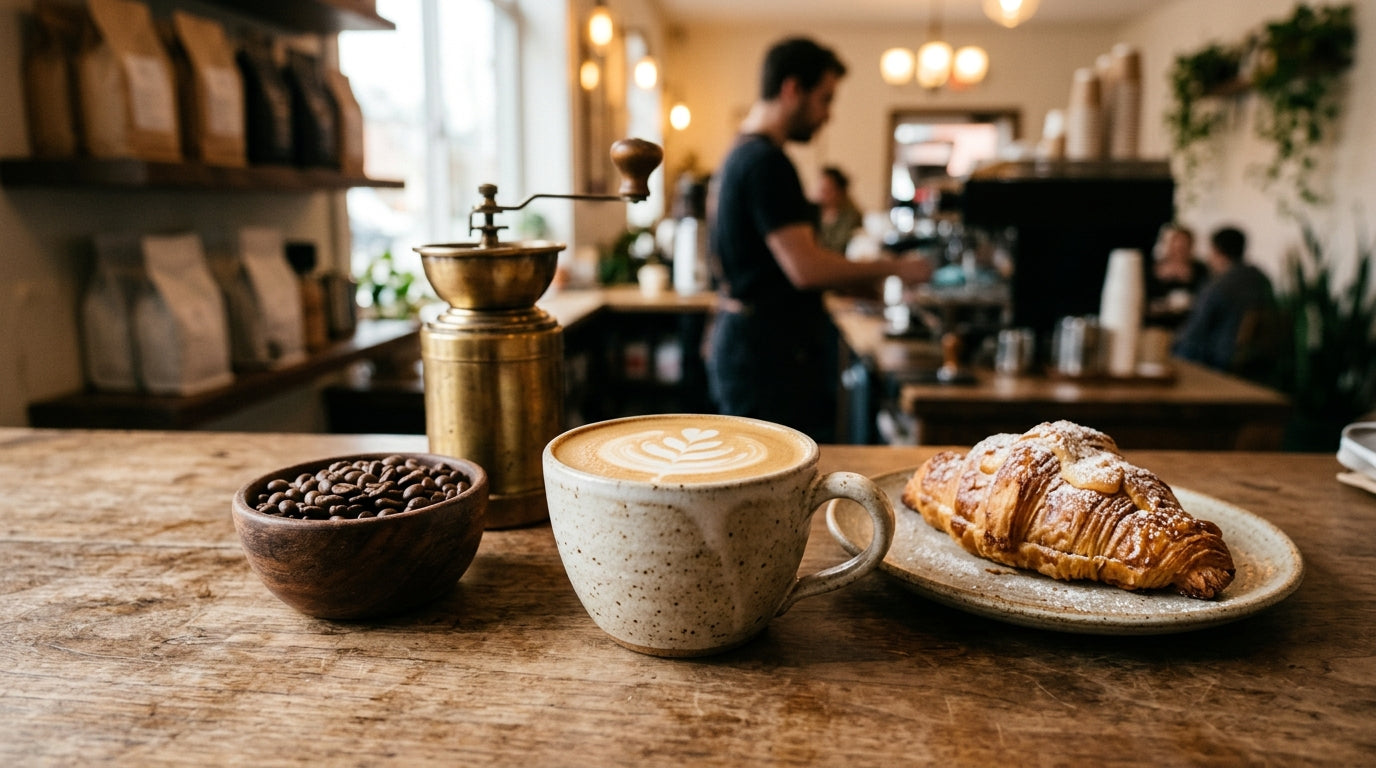
Then there are the warm spices and bakery scents. Cinnamon, clove, nutmeg, and ginger overlap with vanilla, brown sugar, caramel, and the smell of something baking in the oven. These are the scents people tend to reach for first because they're familiar, warm, and hard to dislike.
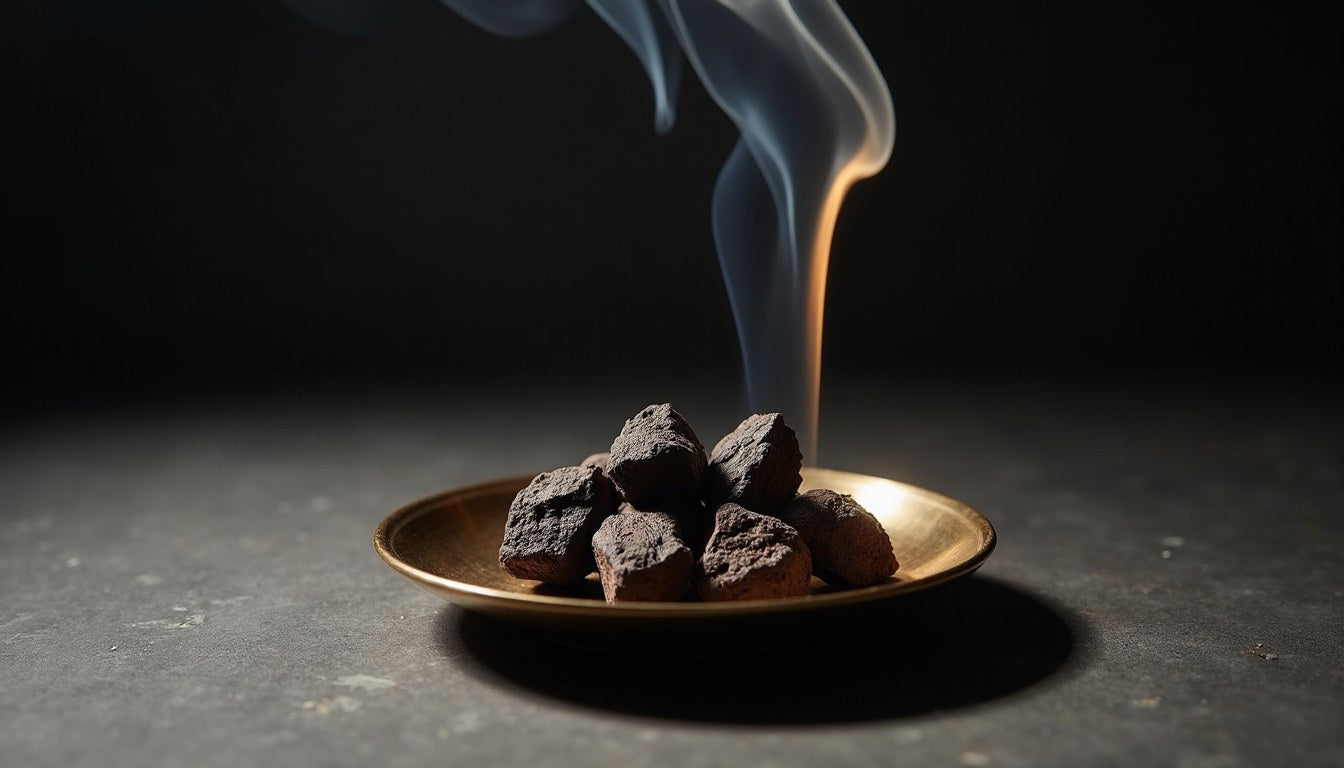
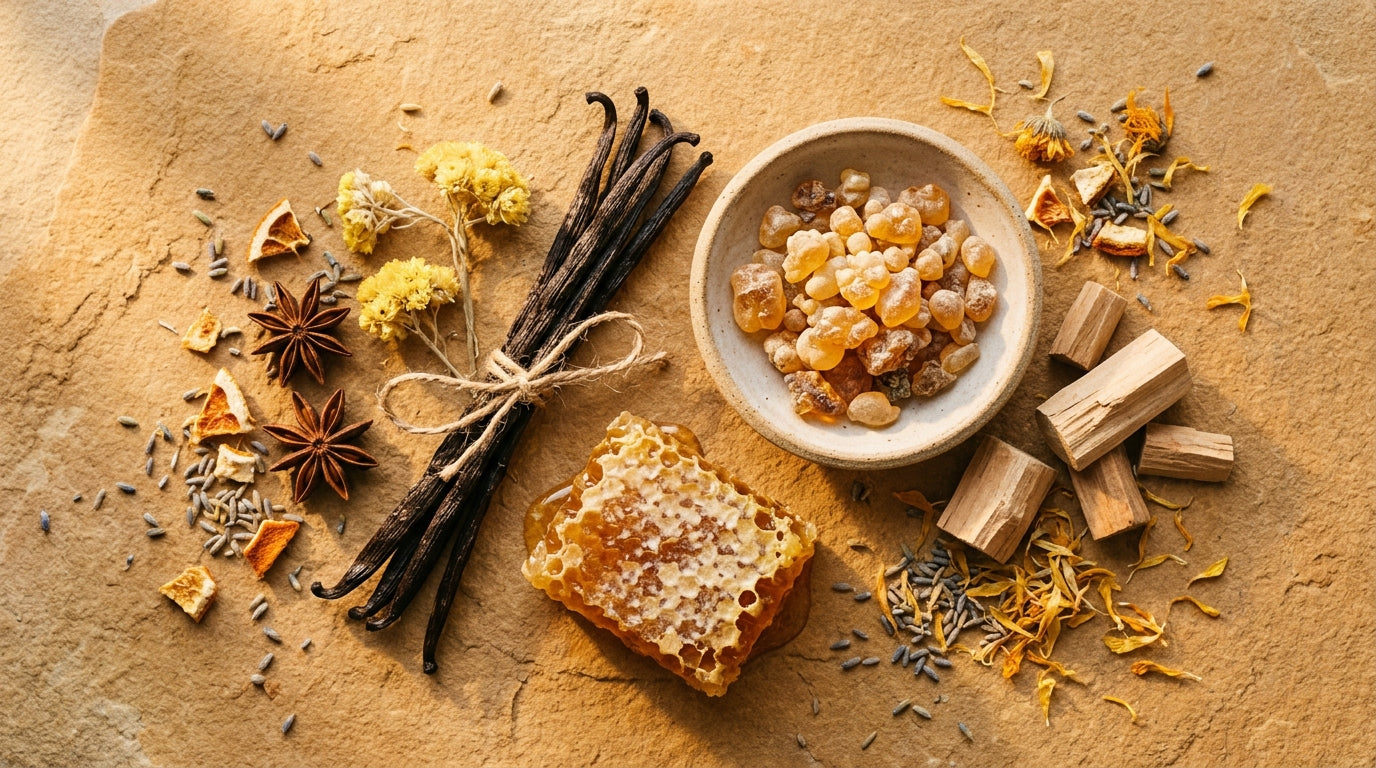
The third group is warmer and a little more sophisticated. Frankincense, myrrh, sandalwood, amber, and other resinous or woody notes have a completely different character. They feel darker and more atmospheric than cinnamon and sugar, which is probably why they work so well once the sun goes down and the Christmas lights are on.
A lot of holiday scenting stops with the second group. There's nothing wrong with that, but it's also why some homes end up smelling more like Christmas cookies than Christmas.
Why Your Christmas Tree Isn't Doing the Job
Here's something that gets overlooked when people talk about making a house smell like Christmas: the tree itself may not be giving you as much fragrance as you think.
A fresh-cut tree can smell wonderful when it first comes into the house, but that scent doesn't stay at the same level for the entire month. The tree dries out, the needles lose some of their fragrance, and the room eventually stops getting that strong burst of evergreen it had during the first few days.
And if you have an artificial tree, of course, there isn't any evergreen fragrance to begin with. You get the lights, ornaments, and branches, but none of that fresh-cut-tree smell. Depending on how long the tree has been stored, you might get a little plastic or cardboard thrown in for free.
That's why people who love the smell of a real Christmas tree often find themselves reaching for a fir or pine fragrance even when they have a perfectly good tree standing in the living room. The visual part of Christmas can stay exactly the same while the smell slowly disappears.
Clear the Winter Air First
Before adding more fragrance, give the house a chance to breathe.
Winter homes tend to stay closed up. The windows are shut, the heat keeps running, and the same indoor air circulates day after day. Add cooking, wet coats and boots, the tree stand, and everything else that happens inside during December, and you've got a lot competing with whatever fragrance you're trying to introduce.
Open a couple of windows for ten minutes when you can, even if it's cold. Wash the blankets and guest bedding that have been sitting around. Empty the trash and clean up anything around the tree stand. None of it is particularly exciting, but it makes a noticeable difference.
Christmas fragrance works much better when it's being added to a clean-smelling house instead of trying to cover up whatever was already there.
What About a Simmer Pot?
A simmer pot is one of the easiest ways to make a house smell like Christmas for an afternoon. Orange peels, cinnamon sticks, cloves, maybe some ginger or vanilla, and a pot of water on the stove can make the kitchen smell fantastic while you're cooking, wrapping presents, or getting ready for guests.
The problem is that it only lasts while you're doing it. Someone has to keep an eye on the stove, the fragrance is strongest around the kitchen, and once the burner goes off, the smell gradually disappears.
That doesn't make simmer pots a bad idea. They're actually a great part of the season. They're just better thought of as something you do for a few hours rather than a way to keep the entire house smelling like Christmas throughout December.

How to Layer Christmas Scents
The easiest mistake to make is reaching for every holiday scent you like and running them all together. Cinnamon, pine, vanilla, orange, clove, caramel, cedar and everything else may all smell good individually, but that doesn't mean they belong in the air at the same time.
Start with evergreen as the foundation, especially in the main living areas. Fir, pine, and spruce give the house the outdoor quality that immediately makes it feel more like Christmas.
Then bring the bakery scents closer to the kitchen and dining room. Cinnamon, gingerbread, vanilla, and similar fragrances make more sense there because they're connected to food and baking. They don't have to be the scent of the entire house.
For the rooms where you spend more time in the evening, warmer woods and resins can take over. Sandalwood, amber, frankincense, and similar fragrances have more depth and tend to feel especially good once the house gets darker and the Christmas lights are doing most of the lighting.
[product=gingerbread]
Warm ginger, molasses, and baking spice with a soft sweetness underneath. It works especially well around kitchens and dining areas, where the bakery character feels natural.
[/product]
Be careful with the sweet stuff, though. Cinnamon and gourmand fragrances can go from pleasant to too much surprisingly quickly. You usually don't need as much fragrance as you think you do, especially in a smaller room.
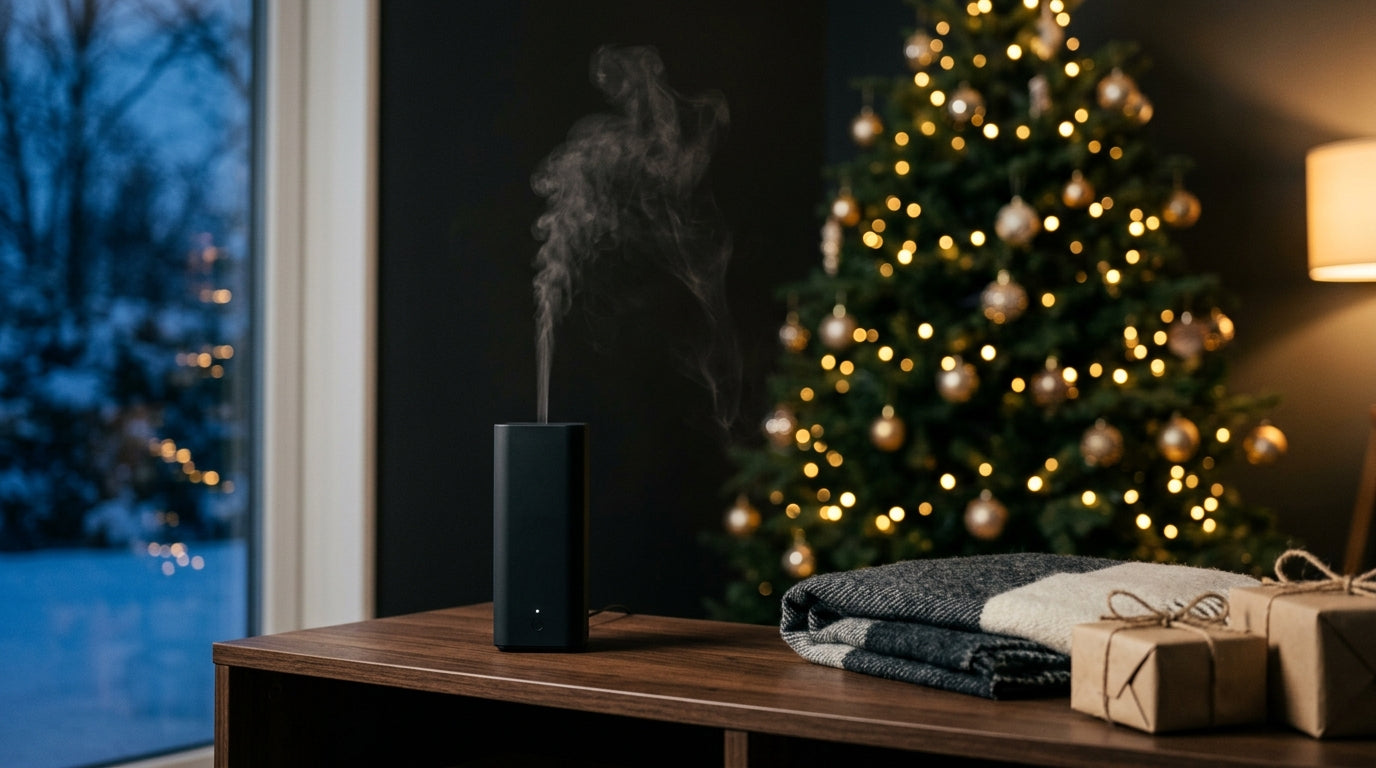
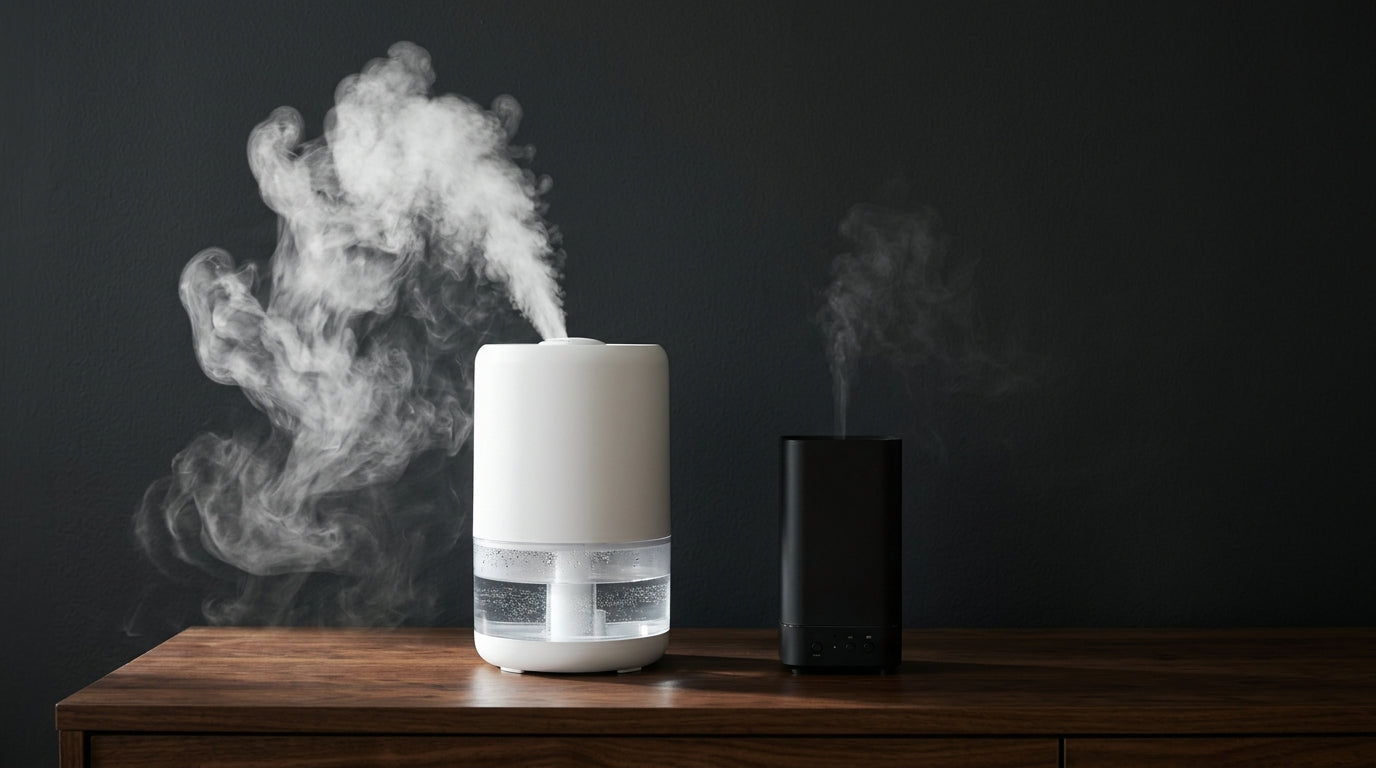
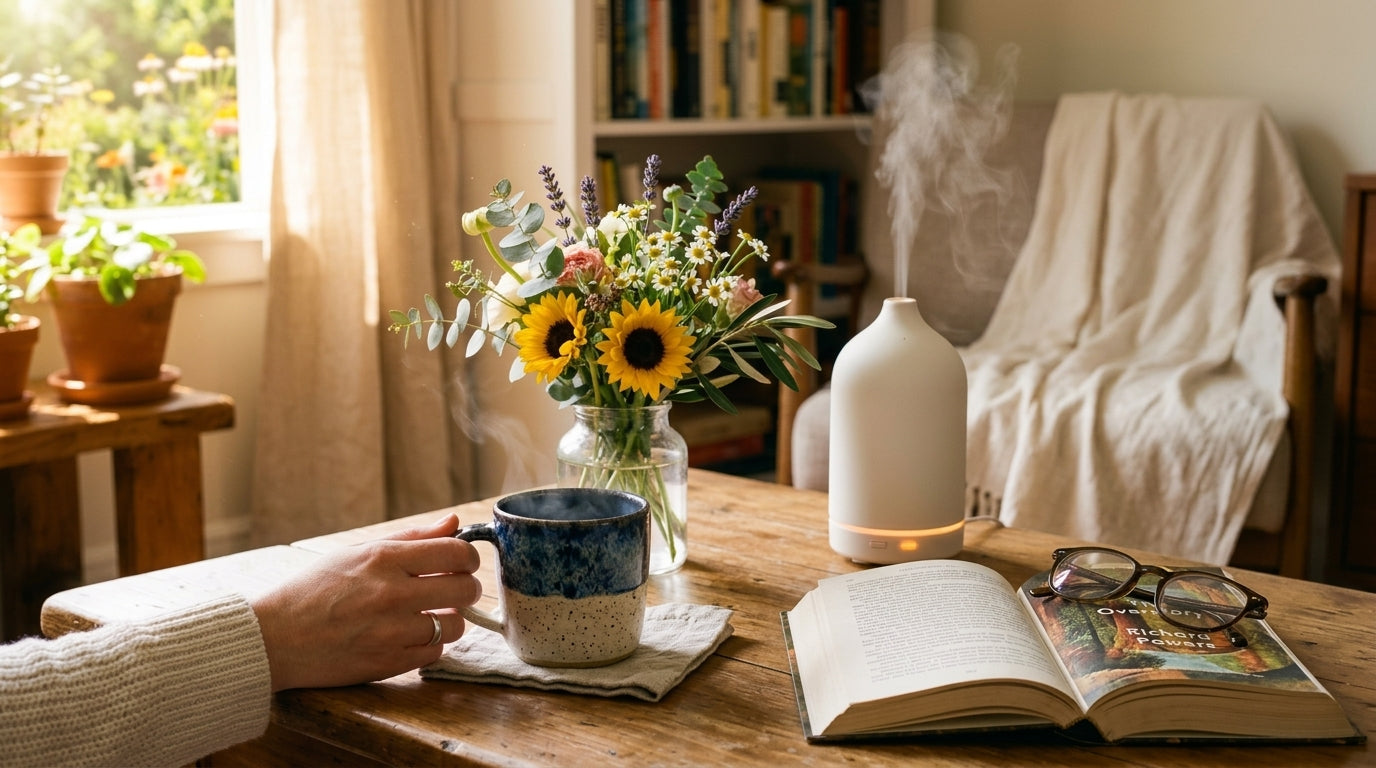
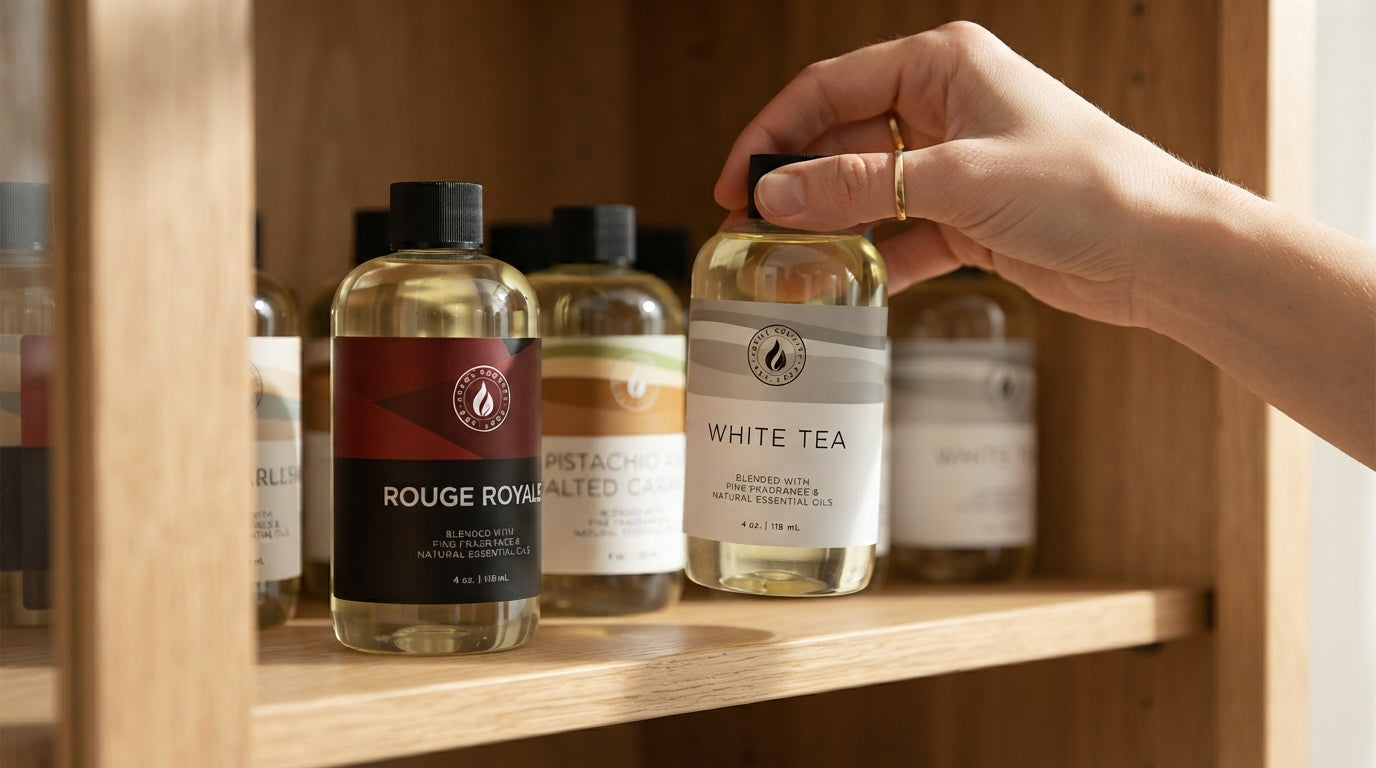
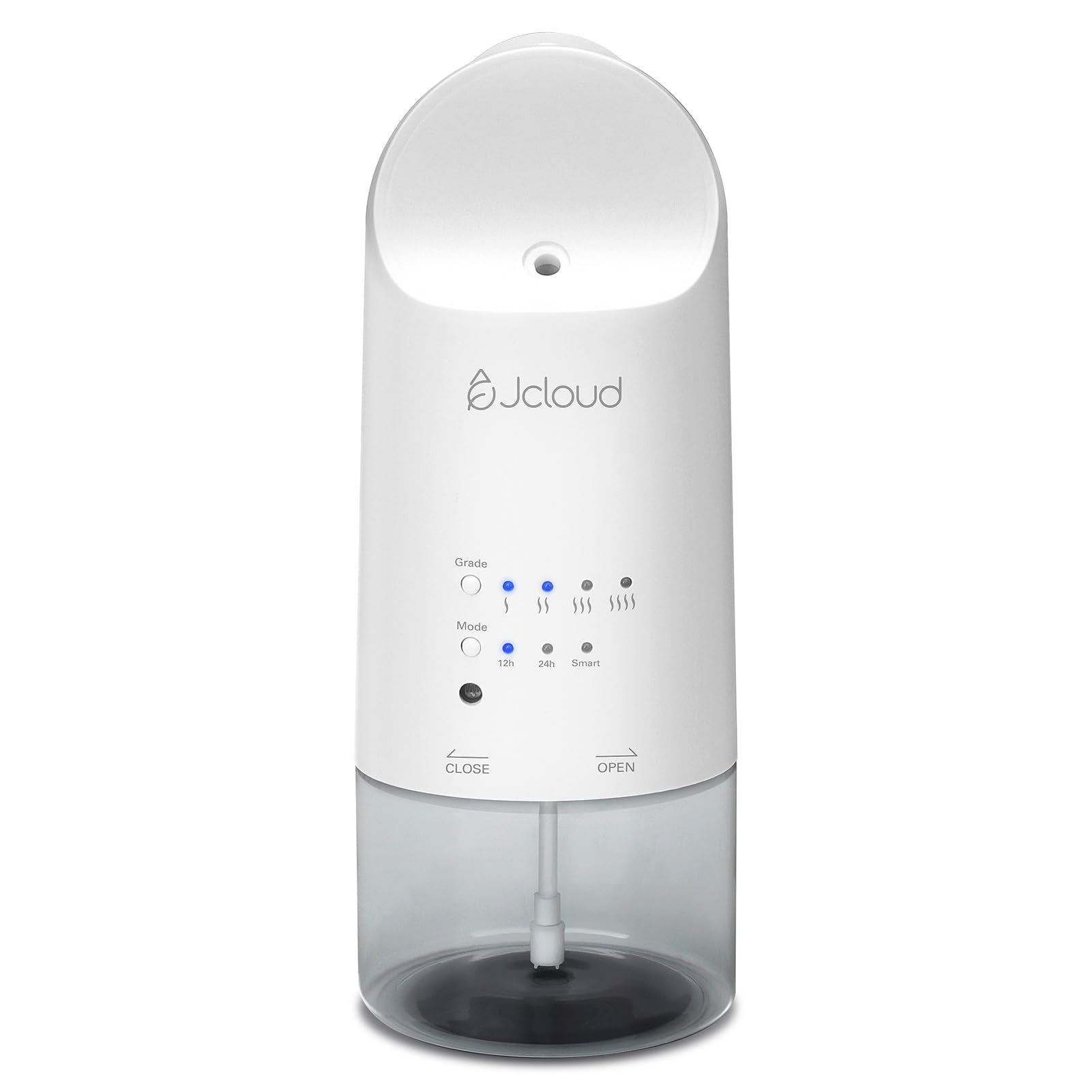
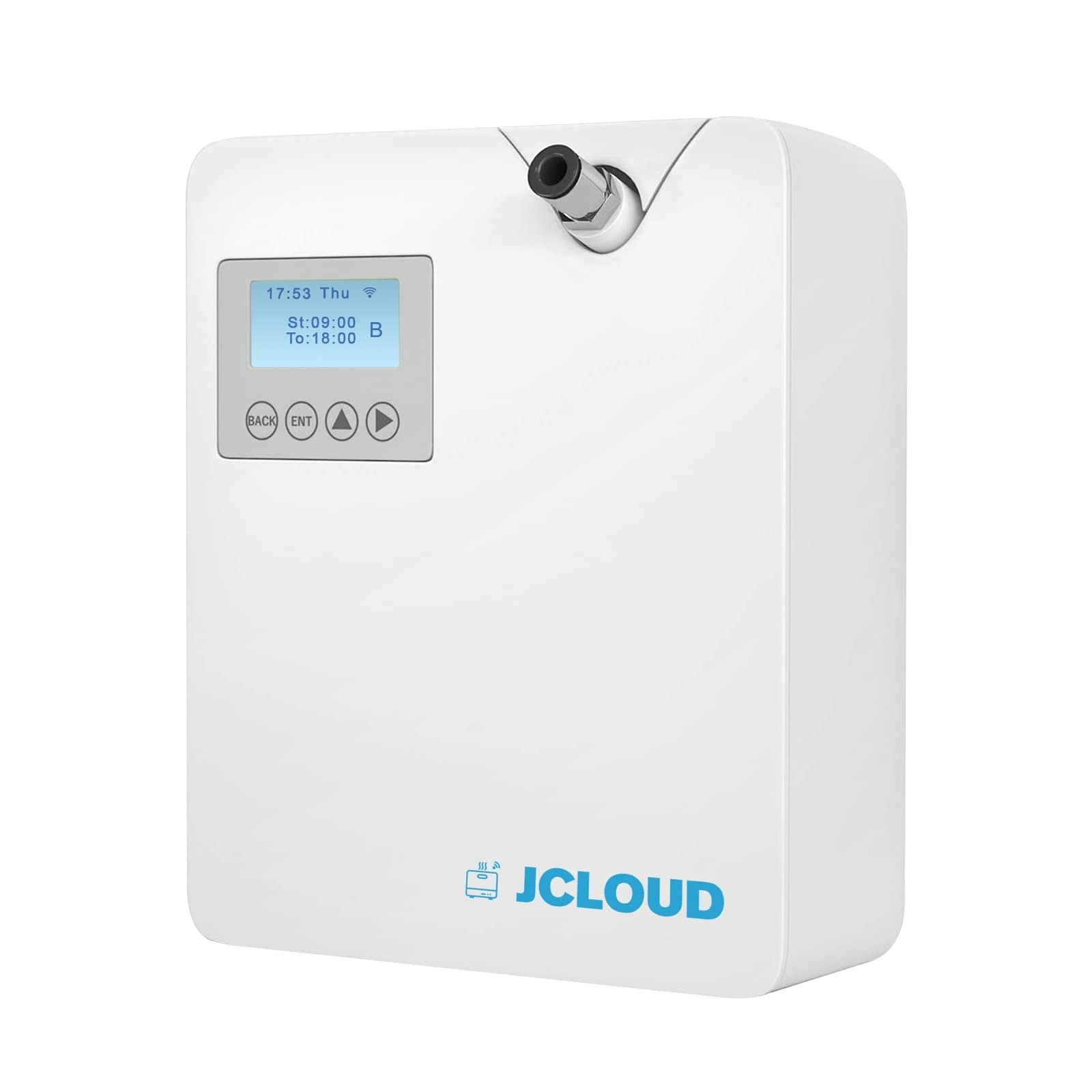
A cold air diffuser can make this easier because you can control both the intensity and the schedule. Instead of having to remember to do something every afternoon, you can have a Christmas fragrance running at a lower level during the hours you actually want it. The dry mist also gives concentrated diffuser oil a way to spread through the space without adding water or heat.
Change the Scent as Christmas Gets Closer
You don't have to pick one Christmas fragrance and run it from Thanksgiving until New Year's.
Early in the season is a good time for evergreen. Fir, pine, and spruce have a fresh quality that works especially well when the decorations first come out and you're getting that first real feeling that Christmas is approaching.
As December gets busier, bring in more of the baking and spice scents. That's when gingerbread, cinnamon, vanilla, orange, and similar fragrances feel most at home, especially if you're actually spending more time cooking and having people over.
Christmas week is the time for the deeper scents. Sandalwood, amber, frankincense, myrrh, and other warm woods can carry the house through Christmas and into New Year's without making it feel like the holiday is still stuck on gingerbread. These are the winter scents that keep working after the decorations come down, which is why they're worth buying even if you only think of them as holiday fragrance. They also do their best work in the evenings, when the house is quieter and the lights are on.
That kind of rotation also gives your nose a break. If you live with the exact same fra grance every day for six weeks, you're eventually going to notice it less even though everyone walking through the front door still smells it.
Make the House Smell Like Christmas, Not Just Christmas Cookies
The best Christmas scent isn't necessarily the strongest one or the one with the most ingredients. It's the one that makes the house feel like the season without making you wonder why someone dumped a bottle of cinnamon in the air.
Give the evergreen scents some room. Let the bakery fragrances stay closer to the kitchen. Use the warmer woods and resins when you want the house to feel a little richer, especially in the evening.
You don't have to make every room smell exactly the same, either. A little variation actually makes the whole house more interesting as you move through it. Setting a in two or three of the main rooms is the easiest way to keep that variation going through a busy December without having to think about it.
And that's really what makes holiday scenting work. When you walk through the front door and catch a little fir, notice cinnamon coming from the kitchen, and then settle into a room that smells faintly of sandalwood and amber, it doesn't feel like you sprayed a Christmas fragrance into the house.
It feels like Christmas is actually there.