






Most people know the smell of rain right away, even if they couldn't tell you what it's called. The first rain after a dry stretch hits the pavement, and within a minute or two the whole street smells different. It's one of those smells almost everyone recognizes but very few people can explain.
The smell does have a name, and the science behind it is more specific than you might expect. Despite being one of the most loved scents in the world, nobody has ever really managed to put it in a bottle. Here's what you're actually smelling when it rains, why it's so difficult to capture, and what gets closest to that fresh-after-the-storm feeling at home.
[product=seagrass]
Crisp, green, and lightly marine. Seagrass is the closest thing in our collection to the clean, cool freshness that follows a storm.
[/product]
What Is the Smell of Rain Called?
The smell of rain is called petrichor. Two Australian researchers coined the term in 1964 while studying why rain on dry ground produces such a recognizable scent. The name comes from Greek words meaning stone and the fluid said to flow through the veins of the gods.
Technically, petrichor describes the scent released when rain lands on dry earth. Most people use the word more loosely to mean the whole experience: the sharp freshness right before a storm, the earthy smell while it rains, and the clean air afterward. Those are actually three different things, and each one has its own explanation.
What Does Rain Actually Smell Like?
Pure water doesn't have a scent, so what you're smelling is everything the rain touches and stirs up. There are three main ingredients.
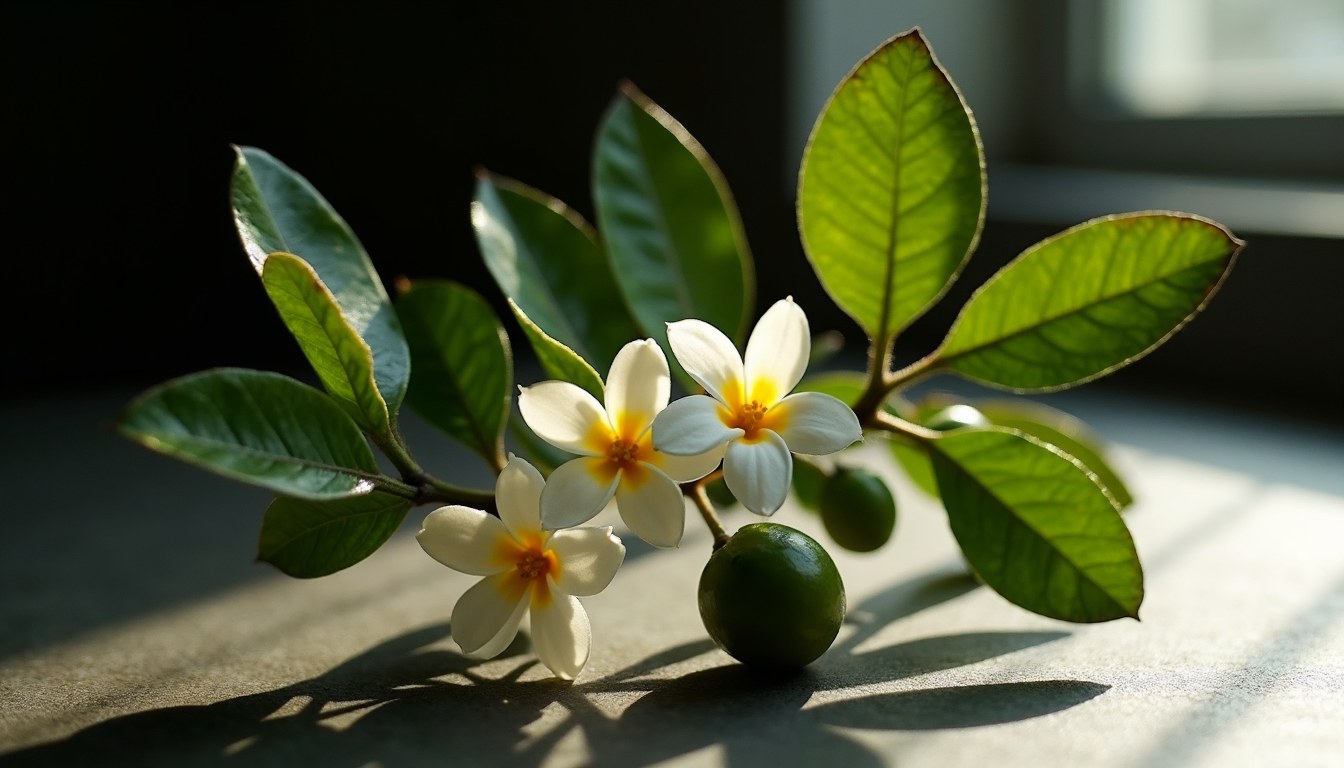
The first is the original meaning of petrichor. During dry weather, plants release oils that build up on rocks, soil, and pavement. When raindrops finally hit those surfaces, the impact throws that oil into the air as a fine mist, and weeks of accumulated scent get released at once.
The second is a compound called geosmin, which is produced by bacteria in healthy soil. Geosmin is the deep, earthy note at the center of the rain smell, and human noses are unusually sensitive to it. We can detect it at a few parts per trillion. Researchers think that sensitivity may have helped our ancestors find fresh water and fertile land, which could explain why the smell grabs our attention so quickly.
The third is ozone. Lightning splits oxygen molecules in the atmosphere, and some of them recombine into ozone, which has a sharp, almost electric smell. Wind pushes it ahead of the storm, which is why the air sometimes smells charged before any rain falls. That's often the smell people notice when they say they can "smell a storm coming" before they see the first raindrops.
Why Does Rain Smell So Good?
Part of it is biology and part of it is memory. On the biology side, we're simply built to notice geosmin at tiny concentrations, so the smell registers strongly whether we're paying attention or not. On the memory side, rain attaches itself to specific moments: summer storms growing up, the first rain after a hot stretch, an afternoon spent inside listening to it on the roof. Scent and memory are tightly connected, so petrichor tends to arrive with associations already attached.

Whatever the exact mix, people are fascinated by it. One of the most common follow-up questions is whether you can actually buy a fragrance that smells the same way.
Why You Can't Buy Rain in a Bottle
This is where the smell of rain gets frustrating for fragrance makers, because none of the three ingredients cooperate. Ozone is a gas, so there's no bottling it. The plant oils are released by raindrops hitting the ground, which isn't something you can pour. And geosmin is especially tricky. At the trace levels found in rain-washed air it smells wonderful, but increase the concentration even slightly and it starts smelling like damp soil and beets instead of fresh rain.
That's why most products labeled "rain" smell nothing like an actual storm. Since the real ingredients aren't usable, fragrance makers usually settle for a generic fresh-and-clean profile and let the name on the label do the rest. If you've ever bought a rain-scented product and been disappointed by it, that's the reason.
How to Bring the After-the-Rain Feeling Home
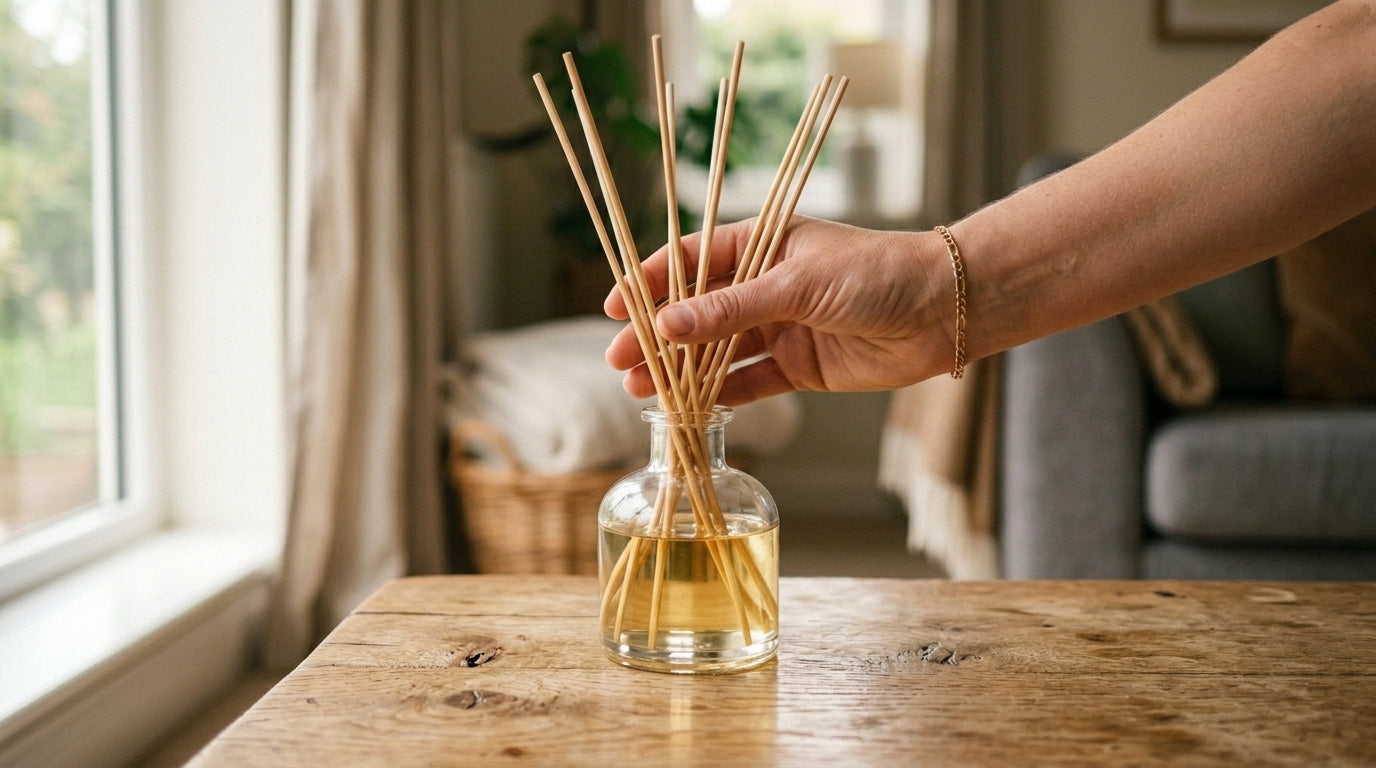
When people say they want their home to smell like rain, they usually don't mean wet pavement and soil. They mean the way things feel right after a storm passes: cool, green, clean, a little renewed. That part is very achievable, and diffuser oils with crisp green and watery notes tend to come closest.
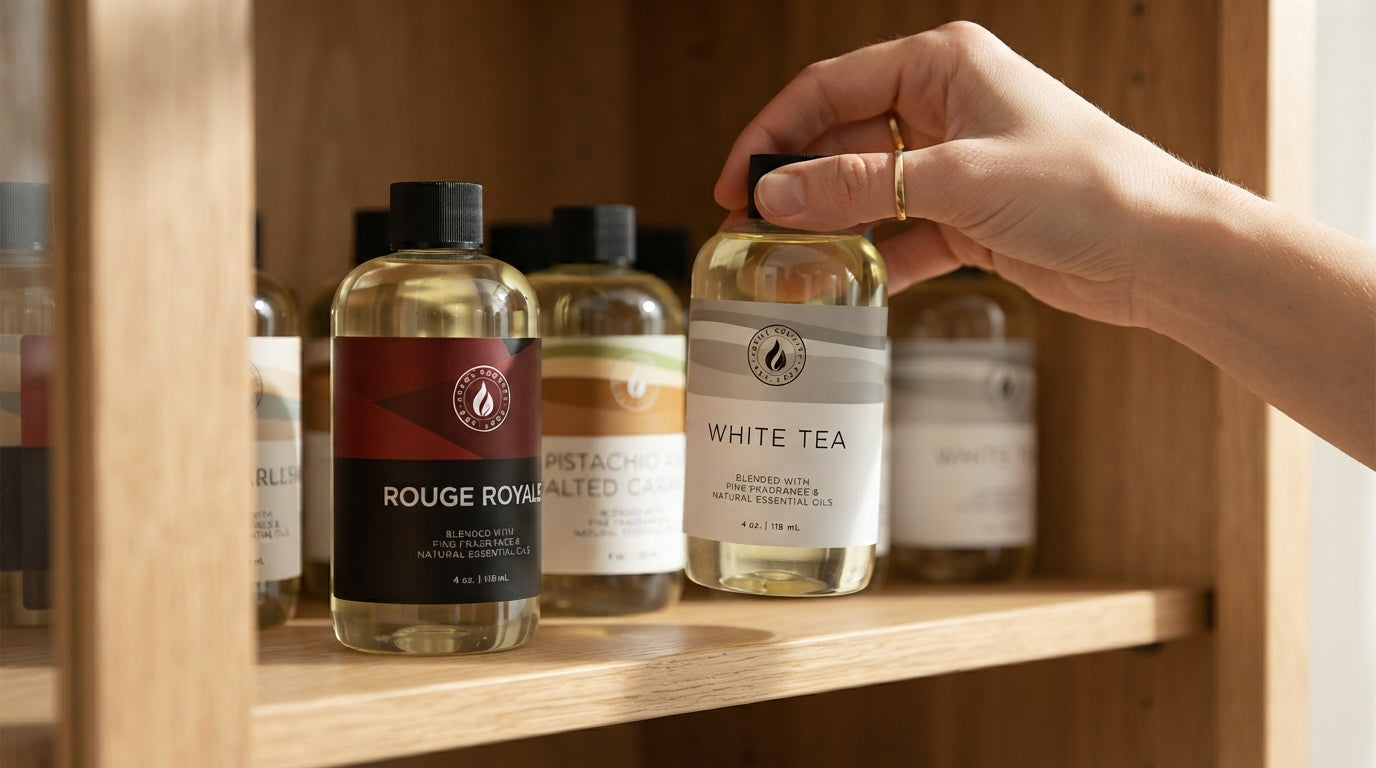
Seagrass is the closest match we make. It blends fresh green notes with a clean marine character, and it reads a lot like a coastline after a downpour. If you prefer the brighter, watery side of fresh, our cucumber melon diffuser oil opens with the kind of cool, dewy crispness that tends to appeal to rain lovers.
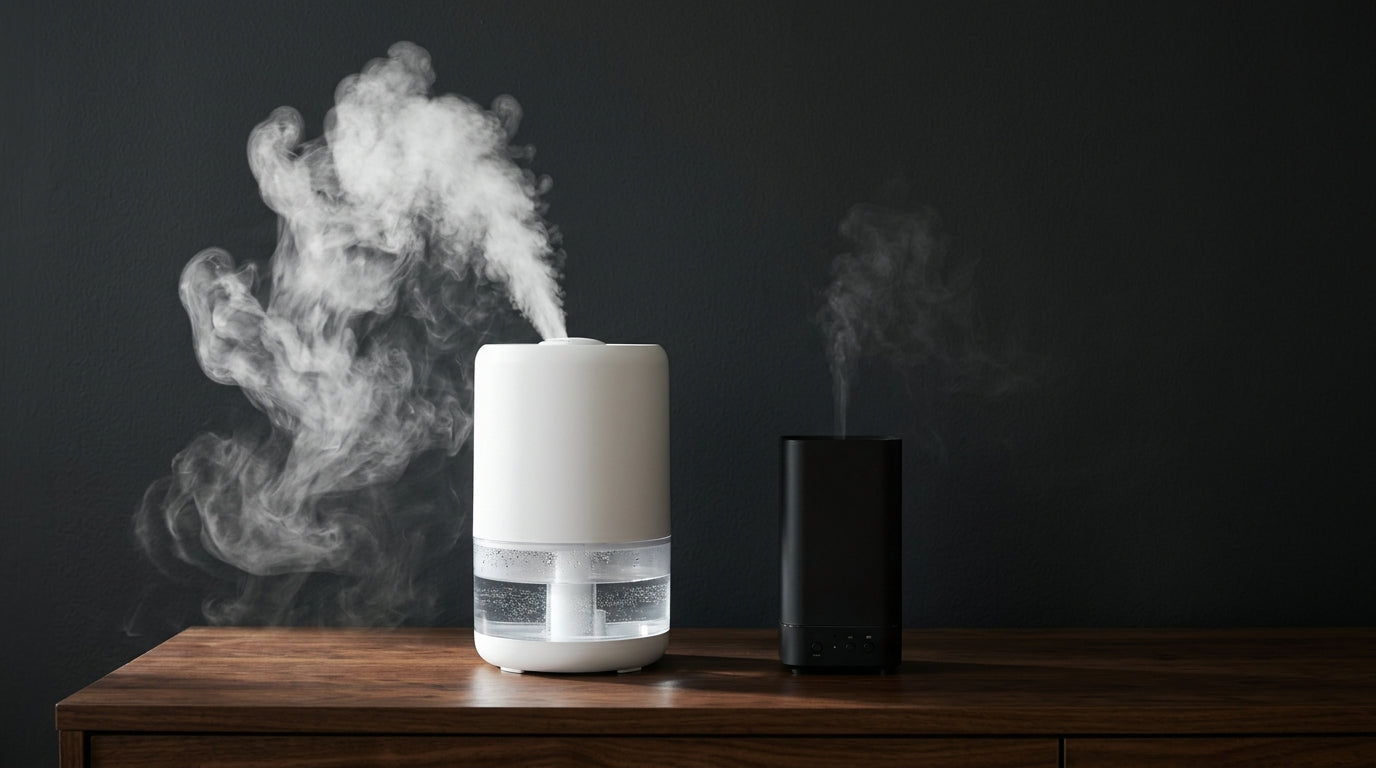
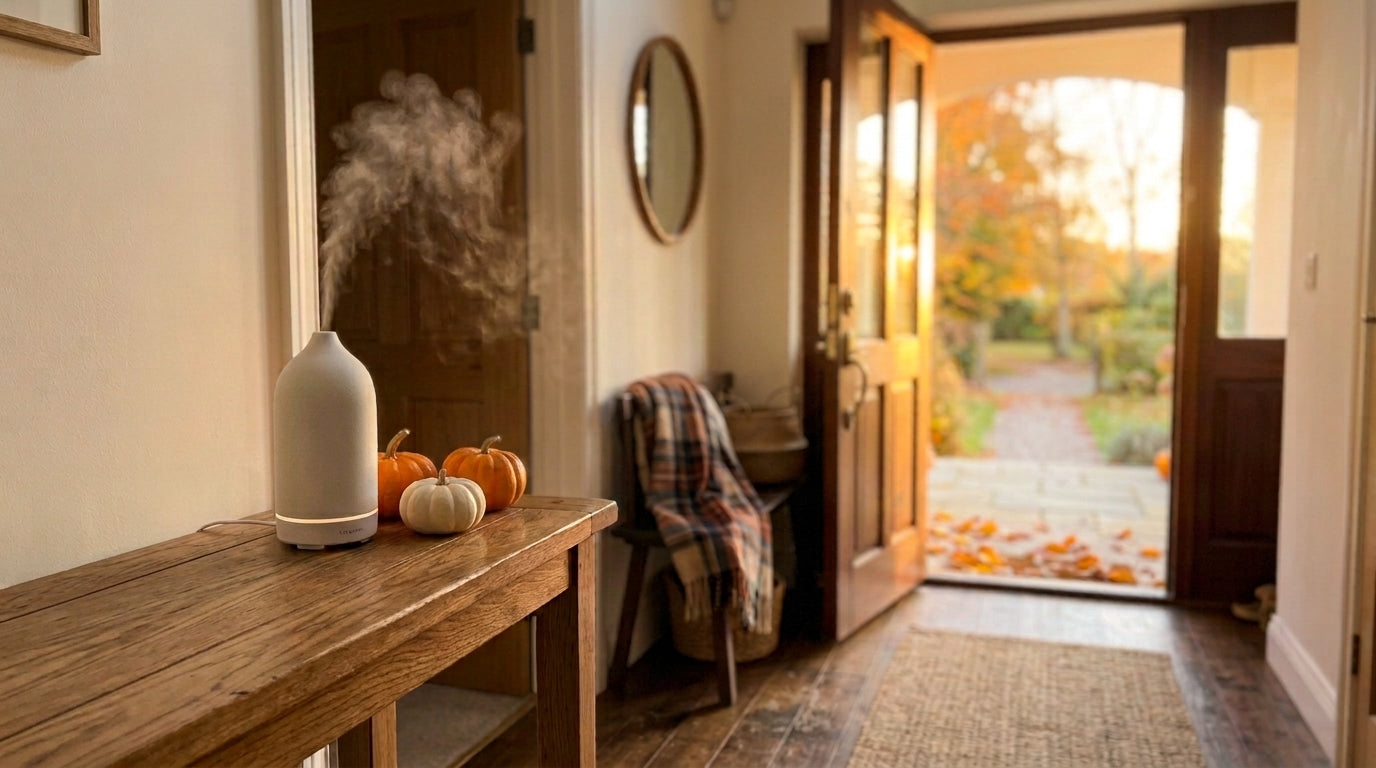
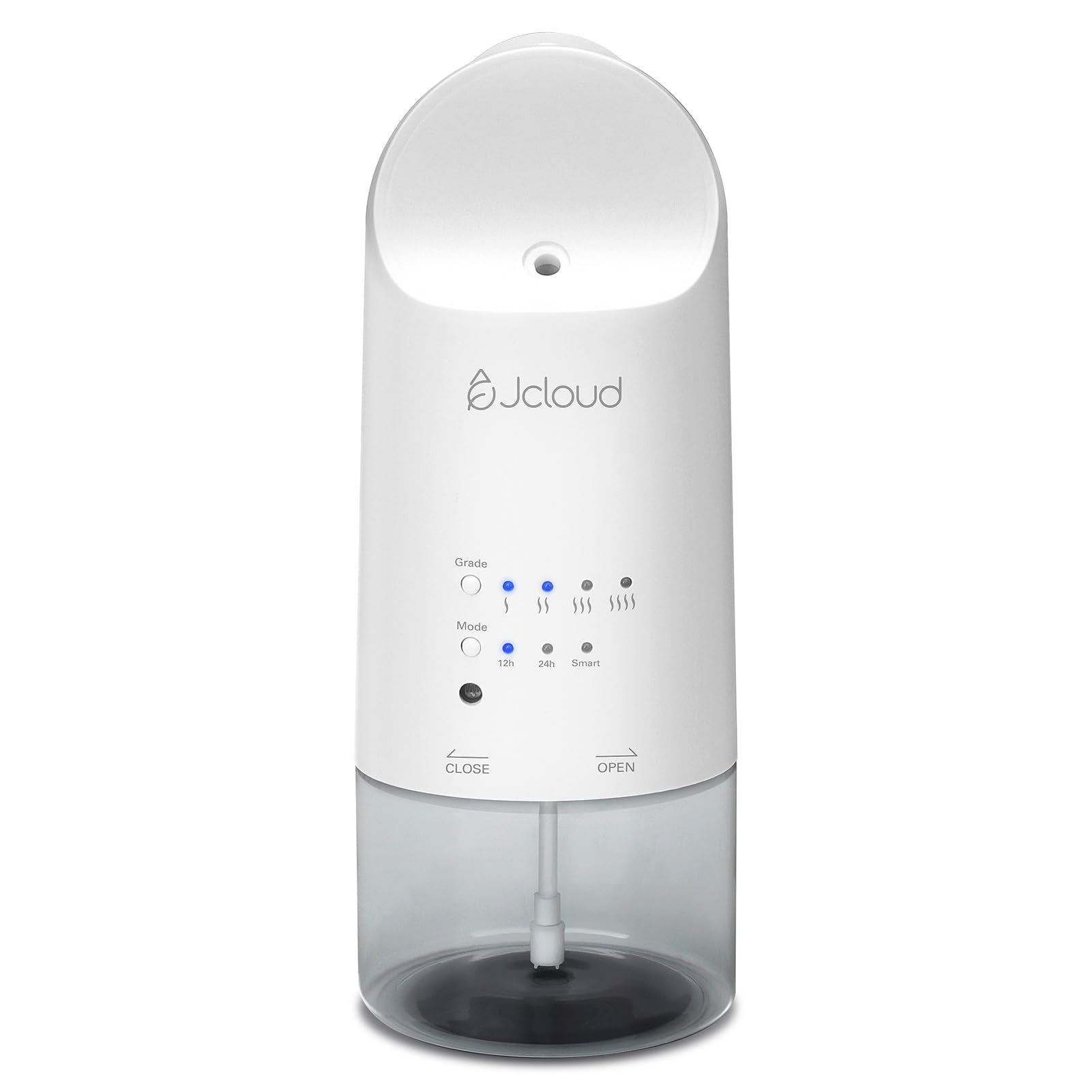
These scents do their best work in rooms that stay closed up during the day: entryways, bathrooms, offices. Run one at a gentle intensity and the effect feels less like a fragrance and more like the windows were just open.
As Close as It Gets
Nobody has figured out how to bottle a real rainstorm, and after seeing what goes into one, it's easy to understand why. The best anyone can do indoors is recreate the feeling that follows a storm: cool, green, clean air that makes a space feel refreshed.
The next time a storm rolls through, you'll know what you're smelling. Plant oils lifting off dry pavement, geosmin rising from the soil, and ozone arriving ahead of the rain. The real thing will always belong outside, but that fresh, just-rained feeling is one you can bring indoors between storms.