






Winter Scents for Home

Winter changes the role your home plays. In summer you're constantly coming and going. In winter your home becomes the place you retreat to, the center of long evenings and slow weekends when going out feels like more effort than staying in. The scents that work best during these months need more presence, more depth, and more staying power. This collection brings together eight winter scents spanning three families: warm woods like sandalwood and fir, soft gourmands like vanilla and gingerbread, and rich profiles like amber and suede. Sandalwood diffuser oil for grounding depth. Vanilla diffuser oil for soft comfort. Deeper winter diffuser blends that fill an indoor space without overwhelming it. Since 2002, these 100% waterless, phthalate-free formulas deliver a winter fragrance that makes the coldest months feel like the coziest.

WINTER DIFFUSER OILS

Key Takeaways

Three Scent Families for Winter

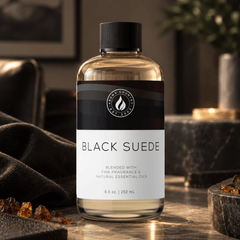
Winter fragrance breaks into three categories. Warm woods like Chandan - Sandalwood, Signature Santal Sandalwood, and Fraser Fir / Pine Needle bring grounding depth and crisp forest notes. Soft gourmands like Whipped Vanilla and Gingerbread smell like the season's comforts - baking, warm drinks, and evenings spent indoors. Rich profiles like Black Suede and Rouge Royale offer sophisticated depth with amber, leather, and spice. Knowing which family you're drawn to narrows your selection fast.

Different Winter Moments Need Different Scents

You don't shop by floor plan, you shop by the moment you're in. Long evenings on the couch call for deeper profiles like Black Suede and Rouge Royale. Quiet mornings pair naturally with softer scents like Whipped Vanilla or Lavender Spice. Gatherings benefit from approachable winter scents almost everyone enjoys, like Signature Santal Sandalwood. And snowy stay-at-home days are where rich woods and gourmands feel most at home, filling the hours you're not going anywhere.

Seasonal Progression Through Winter

Early winter still carries some of fall's spice - Gingerbread and Lavender Spice bridge the transition. Deep winter, the coldest stretch from January into February, calls for the fullest profiles - Black Suede, Rouge Royale, and Chandan - Sandalwood settle into a room when you're indoors most of the day. Late winter as you start anticipating spring can lighten slightly toward Whipped Vanilla and Signature Santal, substantial but less heavy. Rotating winter home scents this way keeps your space feeling intentional all season.

Built for the Season

Winter is when home becomes everything - longer evenings, slower mornings, more nights in than out. Warm winter scents are made for that shift. They have the presence to fill the hours you actually spend there and feel right when the world outside has gone quiet and cold. This is the season you live closest to your fragrance, so it's the season where it matters most.

Why Winter Fragrance Needs to Be Different

Winter is the most extreme version of an indoor environment. Fall homes still get the occasional open window. Winter homes run heat through every room for months, with almost no air coming in from outside.

That changes how fragrance behaves. Light, fresh profiles that worked in other seasons simply disappear in heated winter air - they read as thin and get lost. Warm scents need more weight and body to register at all. At the same time, because there's so little air exchange, anything too strong builds gradually and has nowhere to go.

Winter scents are formulated for this exact balance. They have the depth to remain noticeable in dry, heated rooms, and the richness that feels right when it's cold and dark outside. They're built to be lived with for months rather than sampled for an afternoon.

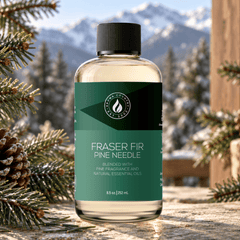
Fraser Fir Pine Needle best home fragrance oil with a bright alpine scent and natural pine aroma in a fresh outdoor setting

Fraser Fir / Pine Needle

$34.95

Choosing the Best Winter Scents for Your Home

Choose Based on the Experience You Want

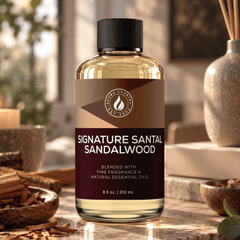
Think about how you want your home to feel on a cold night. If you want a room to slow down and settle, reach for Chandan - Sandalwood or Signature Santal Sandalwood. If you want something soft and easy to be around, Whipped Vanilla and Gingerbread deliver creamy gourmand sweetness. If you want a scent that lingers after guests have gone home, Black Suede and Rouge Royale bring real depth and presence. And if you want something crisp that cuts through the stuffiness of a closed-up home, Fraser Fir / Pine Needle brings cold-weather freshness indoors.

Think About When You Spend Time at Home

Winter has different scenting patterns than summer. Weeknight evenings stretch longer. Weekends are spent indoors more often. The fragrance you enjoy for an hour in July might be something you live with for six hours on a January Saturday. Pick winter diffuser oil profiles you won't get tired of, because in winter you're not sampling a scent, you're living inside it.

Think About Scent Fatigue

Winter is a long season. The scent that feels perfect in early December may feel invisible by February once your nose has settled into it. Rotating between a woody profile and a gourmand one keeps your home feeling fresh without abandoning the character of the season. Alternate them every couple of weeks and each one stays noticeable the way it was when you opened the bottle.

Plan for Winter Guests

Winter hosting happens indoors with everyone gathered in one heated room. Choose winter scents that feel welcoming without being heavy in a crowded space. Signature Santal Sandalwood and Whipped Vanilla read as inviting and intentional to almost everyone. Save the boldest profiles like Black Suede for quieter evenings when it's just you.

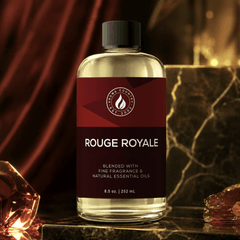
Premium amber and saffron character with deep resinous warmth and opulent oriental depth, Rouge Royale premium aroma oil at 8.5 oz delivers regal red fragrance for sophisticated whole-room scenting

Rouge Royale

$48.95

Our Best Winter Fragrance Oils

Eight profiles spanning warm woods, soft gourmands, and rich depth. Here are four standouts that anchor the collection.

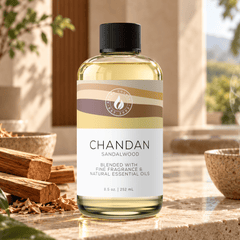
Chandan - Sandalwood

Creamy, resinous sandalwood with natural depth. The scent you reach for when you want a room to slow down - grounding without taking over, the kind of profile that makes a cold space feel quiet and settled.

Whipped Vanilla

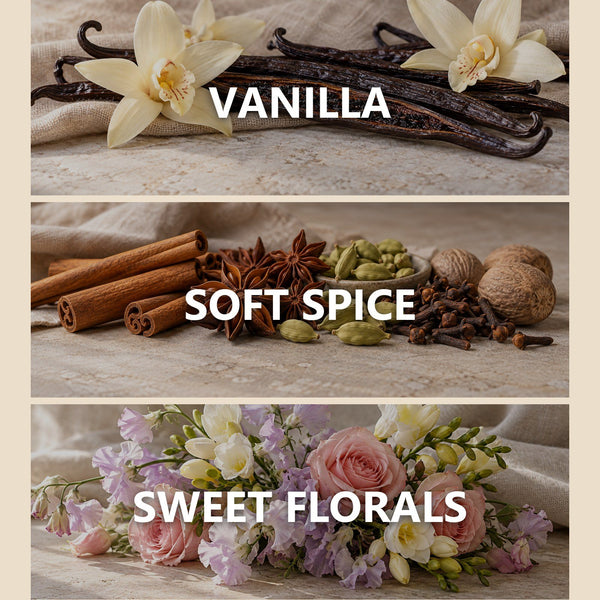
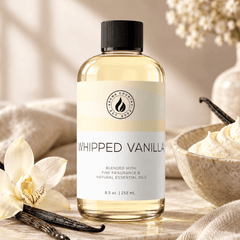
Smooth, soft vanilla that's the fragrance equivalent of a blanket and a warm drink. This vanilla diffuser oil is the universal crowd-pleaser - easy to be around, welcoming, and one of the best winter scents for people who want something soft over something complex.

Rouge Royale

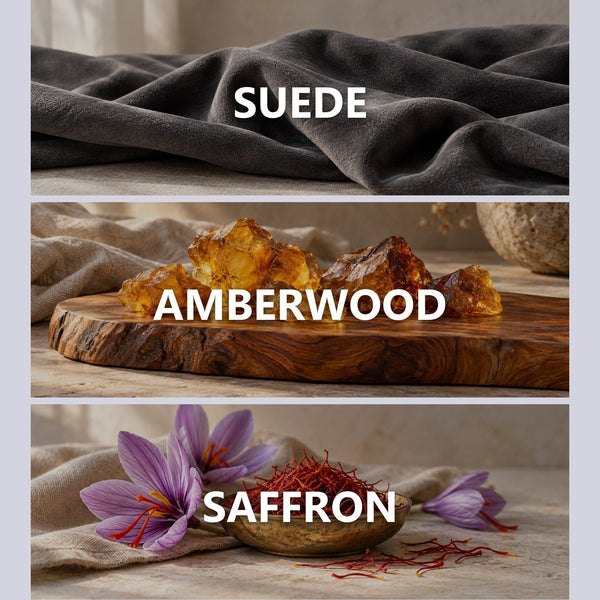
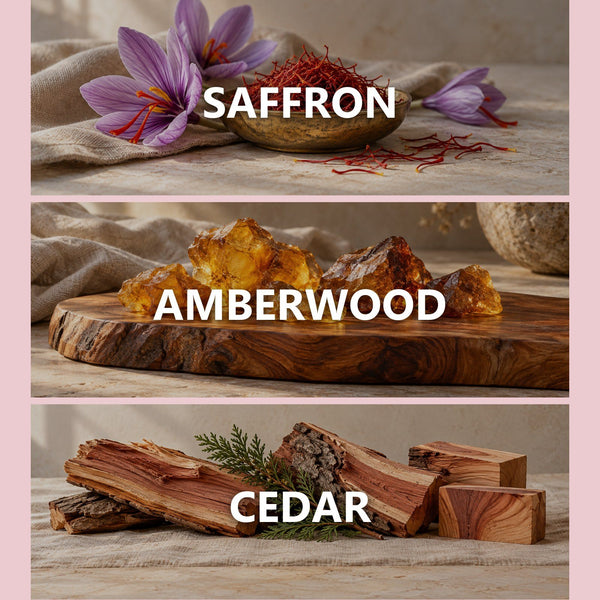
Opulent and deep, with saffron, amber, and cedar. This is a winter home fragrance for people who want a scent that lingers after guests have left. Bold enough to define a room, refined enough to never feel cheap.

Fraser Fir / Pine Needle

Crisp evergreen and fresh forest air, the scent of pulling off a snow-dusted coat and tracking a little of the cold in with you. Crisp enough to make winter feel fresh instead of confined, it brings the outdoors in when you can't open a window.

How Winter Scents Work in Your Home

They Stay Present in Heated Air

Forced-air and radiator heat both dry out indoor air and break down lighter fragrances fast. These concentrated oils carry enough body to maintain their character where thinner profiles would vanish. The richness that feels right in winter is also what makes them last.

They Layer With Winter Cooking

Slow-cooked stews, fresh bread, hot chocolate, mulled drinks - winter kitchens run constantly. Gourmand and woody profiles blend with these smells naturally rather than fighting them. A vanilla or gingerbread profile enhances what's already in the air instead of competing with it.

They Match Low Winter Light

Winter light is low, brief, and gone before the day feels finished - the lamp on by four, dark before dinner. Rich woods, amber, vanilla, and spice fit that atmosphere the way a light citrus never could. The same fragrance that feels heavy in July often feels perfectly balanced in January. Winter is the one season where deeper scents don't feel like too much, they feel exactly right.

They Feel More Natural in Winter

Some fragrances always feel like they're fighting the season. Bright citrus can feel disconnected from what's happening outside your window in January. Deep woods, vanilla, amber, and spice feel like they belong. Winter is the season where richer scents stop feeling heavy and start feeling right - the fragrance finally matching the weather instead of working against it.

Tips for Winter Scenting

Start Moderate Indoors

With little air movement, winter scent builds gradually over hours in ways it wouldn't in a ventilated home. Start at a moderate setting and let it develop before adding more. It's far easier to increase intensity than to clear out an over-scented room you can't air out in freezing weather.

Use the Spray for Quick Winter Refreshes

Wet boots by the door, a damp coat over a chair, the closed-in smell of a house that's been running heat all day - winter creates its own background notes. The spray attachment works as a quick winter air freshener for entryways and mudrooms between diffuser runs, without committing to hours of diffusing.

Zone Your Winter Scenting

Run a rich profile like Rouge Royale or Black Suede in living areas where you want presence. Keep something softer like Lavender Spice or Whipped Vanilla in bedrooms for winding down. Put Fraser Fir / Pine Needle near the entryway for a crisp welcome. Winter rooms hold their scent zones well, so the contrast stays distinct as you move through the house.

Lean Into the Season

Winter is the one time of year when cozy winter scents are exactly what the moment calls for. Don't fight the pull toward rich, full-bodied profiles - this is when they belong. Save the light and fresh scents for spring and let winter be deep and substantial.

Read More:

The Winter Luxury Scent Guide – Amber, Vanilla, and Soft Woods

Warm Woods vs Holiday Bakery Scents – Which Is Best for Your Home?

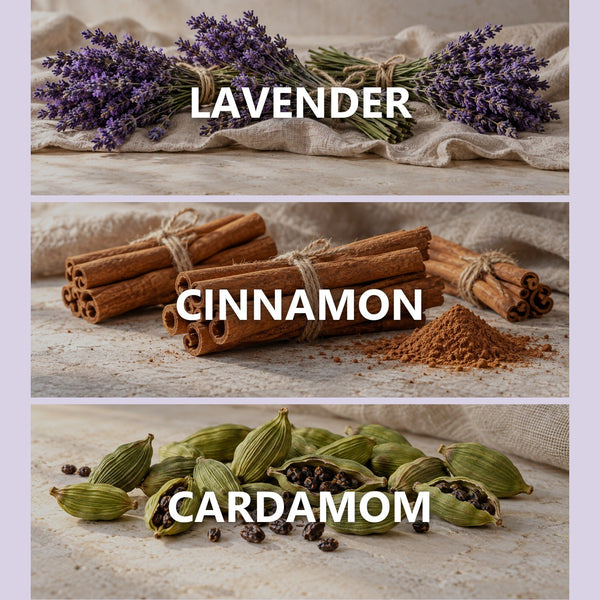
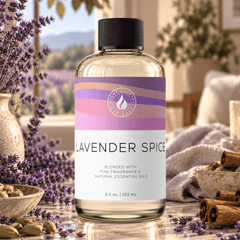
Most people file lavender under spring, but it works beautifully in winter when it's paired with warmth. On its own, lavender can feel cool and herbal. Blended with spice, as in Lavender Spice, it takes on cinnamon and cardamom warmth that fits the season. The floral keeps it from feeling heavy, while the spice grounds it for cold weather. It's a good pick if you want something calming that doesn't lean sweet or gourmand like most winter profiles.

You can, but most won't perform the way you want. Light, fresh summer profiles like citrus and clean linen fade fast in dry, heated winter air and read as thin. Winter rewards fuller, warmer scents with more body. If you love a summer profile, the better move is finding a deeper version of what you like rather than running the bright original through the cold months, where it tends to get lost.

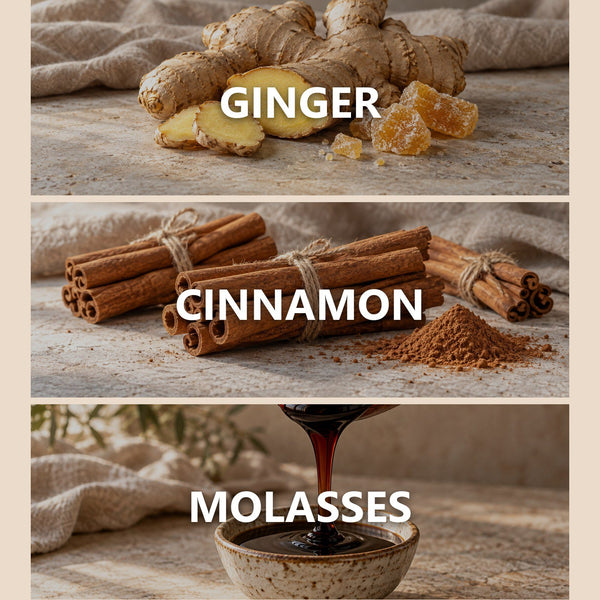
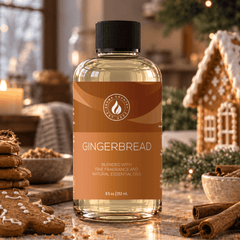
Both, and it shifts depending on what it's paired with. With apple, pumpkin, and clove, cinnamon reads as fall. With vanilla, molasses, and warm baked notes, as in Gingerbread, it carries straight through winter and into the coldest months. The note itself is seasonless. What surrounds it decides whether it feels like October or January. If you want cinnamon that holds up past the holidays, look for it blended with deeper, sweeter notes rather than fruit.

Winter homes have far less ventilation than the rest of the year. With windows closed and heat running, fragrance stays in the air longer and builds gradually instead of clearing out. The same diffuser setting that felt right with the windows open in summer can feel overwhelming in a sealed winter room. Most people find they need to dial their settings down a notch or two once the cold sets in.

Amber is one of the most winter-appropriate notes there is. It's warm, resinous, and full-bodied, with a richness that registers in heated indoor air where lighter notes fade. Amber profiles like Rouge Royale anchor a room with depth that feels right when it's dark and cold outside. It's the kind of note that would feel heavy in summer heat but reads as sophisticated and settled in winter.