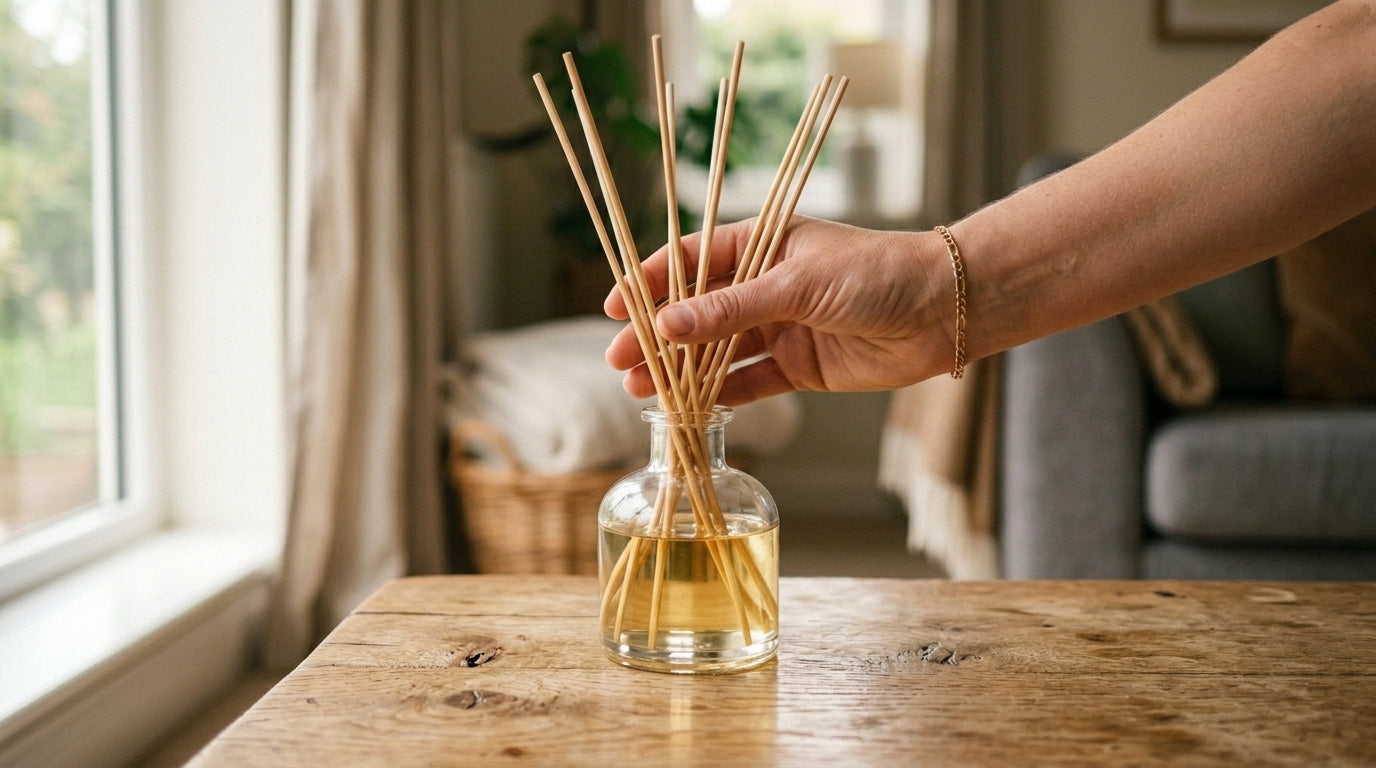







Most guides to making your own reed diffuser will tell you to mix fragrance oil with a carrier oil and leave it at that. Then people reach for whatever carrier oil they already have, usually jojoba or sweet almond oil from a skincare shelf, and end up with a jar that smells lovely up close but barely does anything to the room. The reeds darken an inch or two above the liquid and seem to stop working.
The problem is usually not the fragrance. It is the liquid carrying it up the reeds.
What the Base Oil Is Actually Doing
A reed diffuser has no pump, fan, heat, or other mechanism pushing fragrance into the room. The reeds do all the work. Liquid travels through the tiny channels in the reeds by capillary action, reaches the exposed ends, and evaporates into the surrounding air.
That makes the base more important than it might seem. It has to be thin enough to move through the reeds, but it also needs to hold the fragrance evenly and evaporate at a useful rate. A heavy oil can make it difficult for the liquid to travel very far, while a base that evaporates too quickly can burn through the diffuser before you've gotten much use out of it.
This is why the carrier oils sitting in your bathroom cabinet are not necessarily good diffuser bases. Jojoba and sweet almond oil may be excellent for skin, but a reed diffuser is asking them to do something completely different.
The Bases That Work Best
Dipropylene glycol, usually called DPG, is one of the most common bases used in fragrance applications. It is relatively low in odor, works well as a solvent for many fragrance materials, and has a viscosity that makes it suitable for reed diffusion. If you're trying to make a reed diffuser that behaves more like a commercial product, DPG is the place to start.
Light mineral oil can also work, provided you use a suitably light grade. It is inexpensive, readily available, and can move through reeds reasonably well. It generally will not perform exactly like a purpose-selected diffuser base, but it is a practical option if you're experimenting with small batches at home.
Fractionated coconut oil is another possibility, although it is not the first choice. Unlike regular coconut oil, it remains liquid at room temperature, so it can travel through reeds. The downside is that it is still relatively heavy compared with thinner diffuser bases, which can mean slower wicking and a weaker scent throw.
If you're making one simply because you want to experiment, fractionated coconut oil can be worth trying. If you're buying something specifically for the job, DPG or a purpose-made reed diffuser base makes more sense.
The Oils to Leave on the Shelf
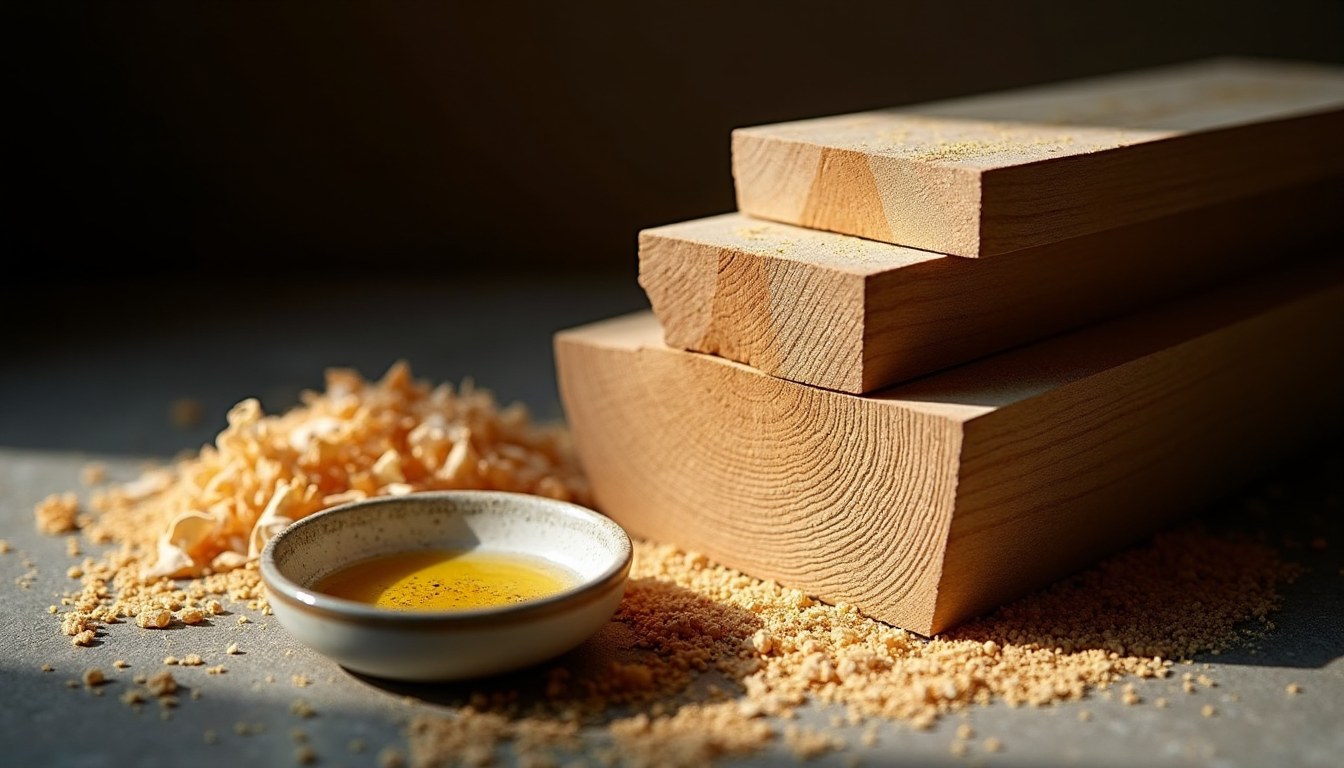
Jojoba, sweet almond, olive, avocado, and similar cosmetic oils are designed around how they behave on skin, not how efficiently they travel through a reed. Their heavier texture can make wicking slow and inconsistent, particularly as the mixture sits in the bottle.
Regular coconut oil is an even easier one to eliminate because it can solidify at normal room temperatures. Water presents a completely different problem. Fragrance oils generally do not dissolve in water, so adding water to the bottle simply creates a mixture that separates rather than a usable diffuser base.
Alcohol is different. It can travel through reeds extremely well, which is why alcohol-based formulas are common in room sprays and other fragrance products. The problem is that it evaporates much more quickly, so a reed diffuser made primarily with alcohol can go through its contents far faster than you might expect.

How Much Fragrance Oil Should You Use?
There isn't one universal ratio that works for every fragrance and every base. The right amount depends on the materials in the fragrance, the base you're using, the size of the diffuser, the number of reeds, and how much scent you're trying to get from it.
For a simple homemade starting point, around 20% to 25% fragrance oil, whether that is a concentrate you have bought or one of ours. You can adjust from there once you see how the mixture behaves. A larger room or a fragrance with a naturally lighter throw may call for a different formulation, while a small bathroom may need considerably less.
Adding more fragrance isn't automatically the answer when a diffuser seems weak. At some point you're changing the physical properties of the mixture rather than simply increasing the amount of fragrance reaching the air. A heavier mixture can actually move more slowly through the reeds.
If the fragrance isn't carrying well, try changing the reeds or their placement before simply pouring more fragrance into the bottle. Reed size and material make a surprisingly noticeable difference, and a diffuser sitting in a stagnant corner will never perform as well as one with some natural air movement around it.
How Often Should You Flip the Reeds?
Flipping the reeds can give a tired diffuser a noticeable boost. After the exposed ends have been sitting in the air for a while, turning the reeds over puts the saturated portion back into the open air and gives the diffuser a fresh surface to evaporate from.
You don't need to do it constantly. Once every week or two is a reasonable starting point, and you can adjust based on how quickly your particular diffuser is being used.
Just remember that flipping the reeds also increases evaporation, so doing it several times a day will make the bottle disappear considerably faster.
How long a reed diffuser lasts depends on the size of the bottle, the number and type of reeds, the fragrance concentration, room temperature, and airflow. A small diffuser in a warm, drafty room can disappear surprisingly quickly, while one sitting in a cooler, quieter room may last considerably longer.
The Fragrance Matters Too
The base is only part of the equation. The fragrance itself has to be capable of working in a passive diffuser, because there is no fan, heat source, or pressurized air helping it along.
That is why two mixtures made with the same carrier can perform completely differently. One fragrance may fill a small room easily while another barely registers, even though the bottles look identical sitting on the counter.
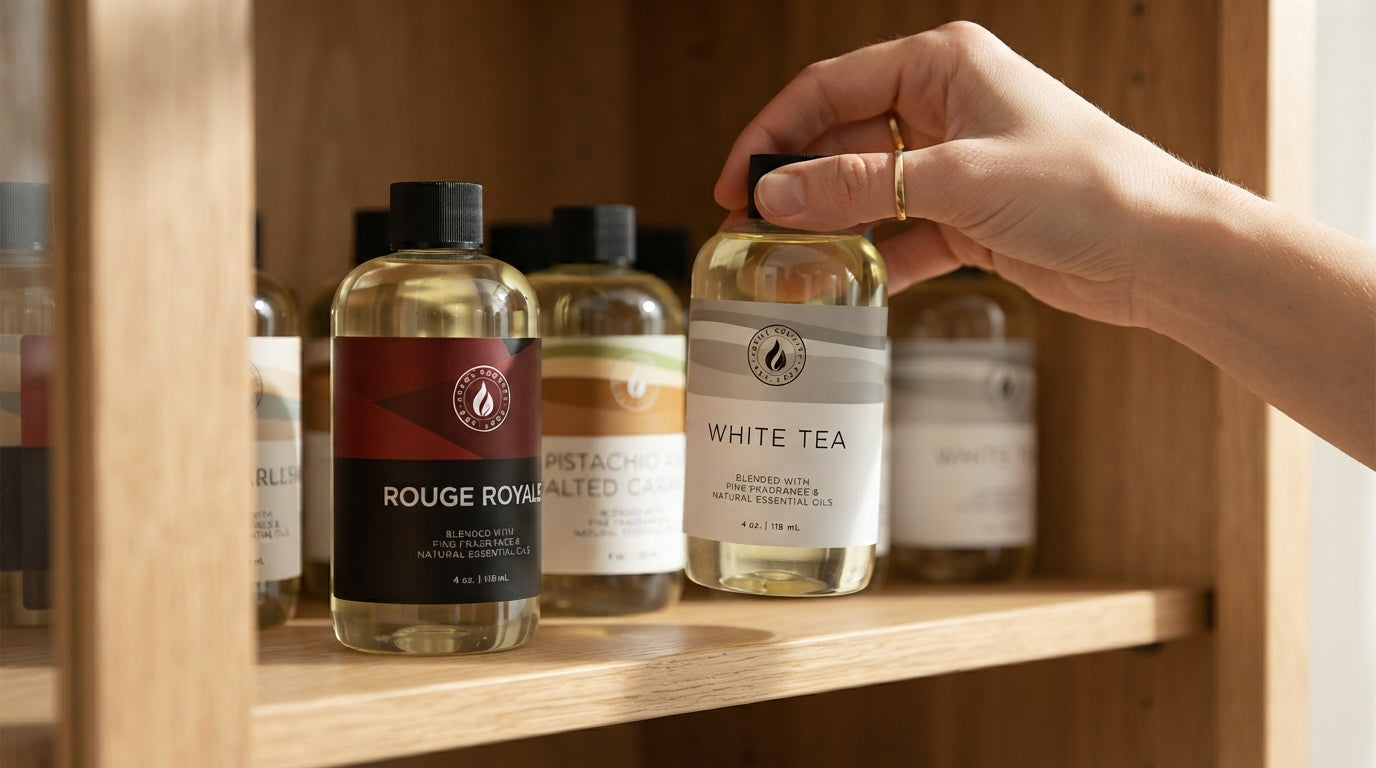
Our diffuser oils are fragrance with no base or filler added, which gives you two ways to use them in a reed diffuser. Used as the fragrance in a formula, they are the concentrate you build around, mixed into DPG or another proper base at whatever percentage suits the room. Used on their own, a lighter blend can wick and throw strongly, though with no base slowing evaporation it will empty faster than a diluted bottle would.
If you do want to make your own reed diffuser from individual ingredients, the base and fragrance need to be treated as a formula rather than two things you simply pour together. Start with a conservative fragrance percentage, test the wicking, and adjust from there.
The Easier Way to Scent a Room
There is a reason this whole carrier-oil question exists in the first place. A reed diffuser is a passive fragrance system. Nothing is pushing the scent into the room, so the liquid has to make its way up the reeds and then evaporate naturally.
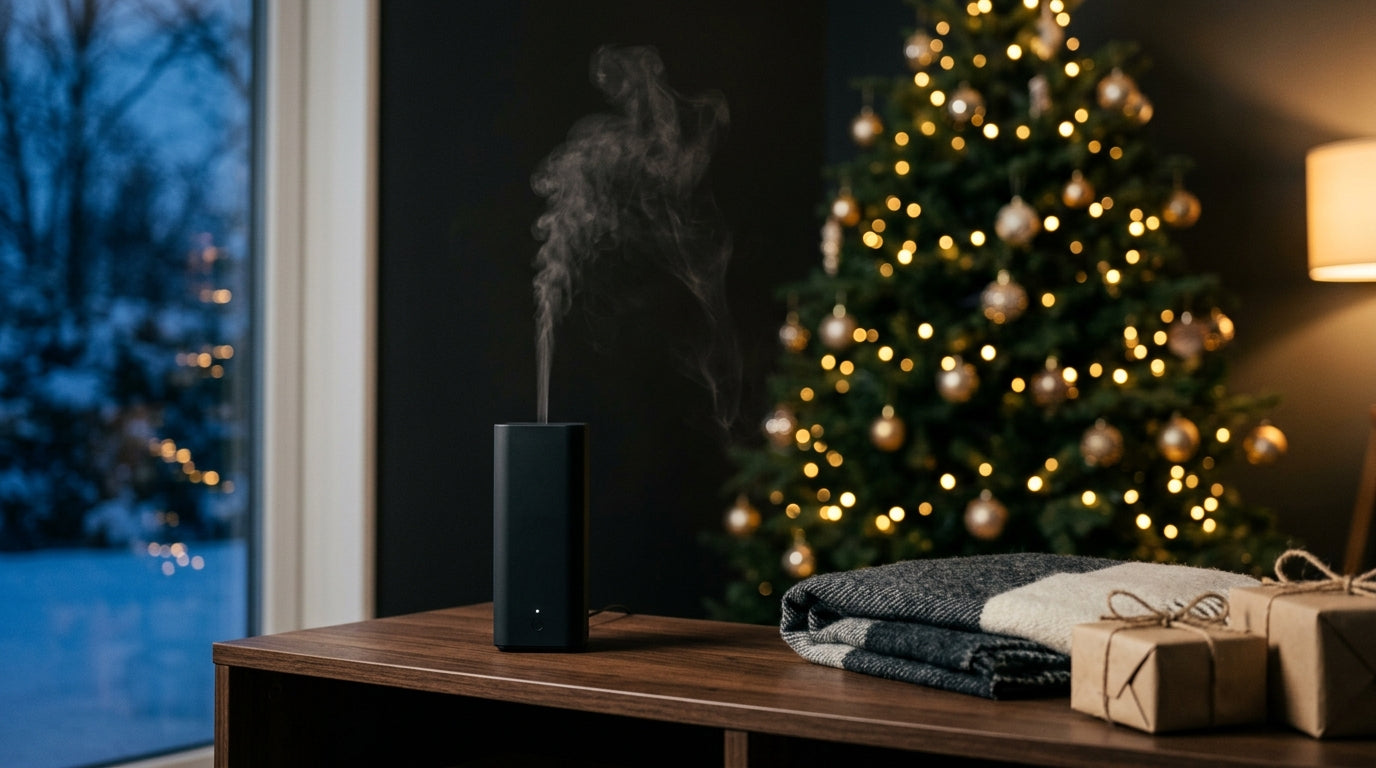
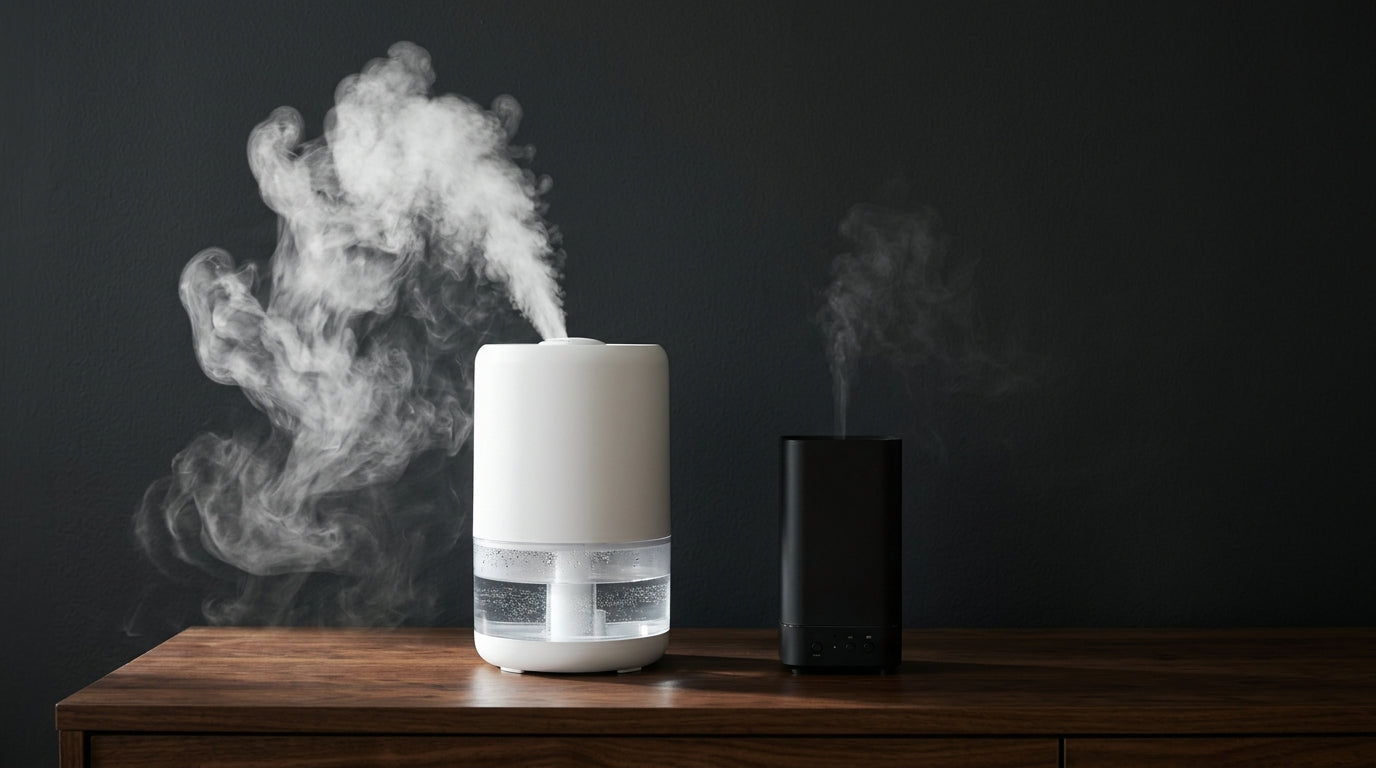
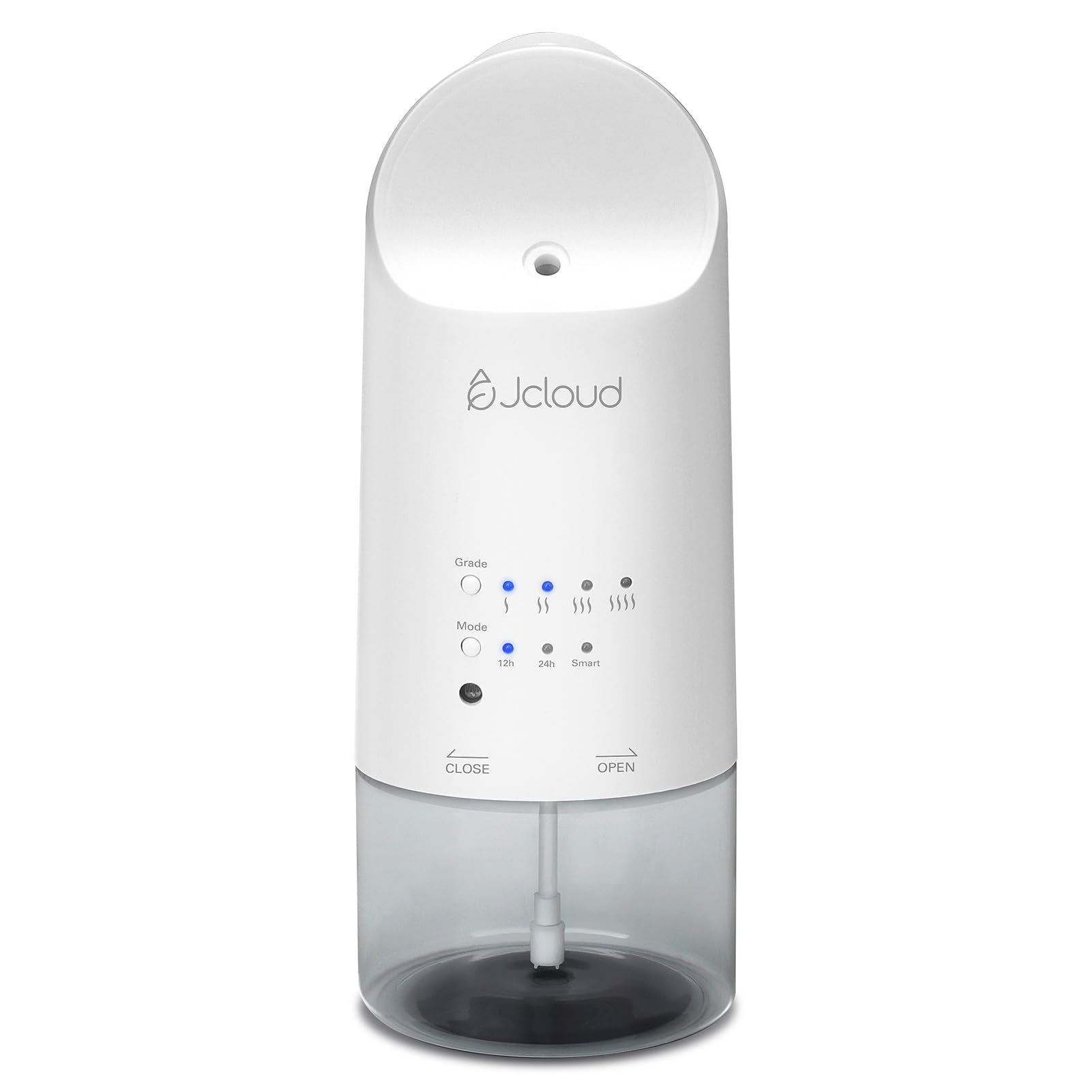
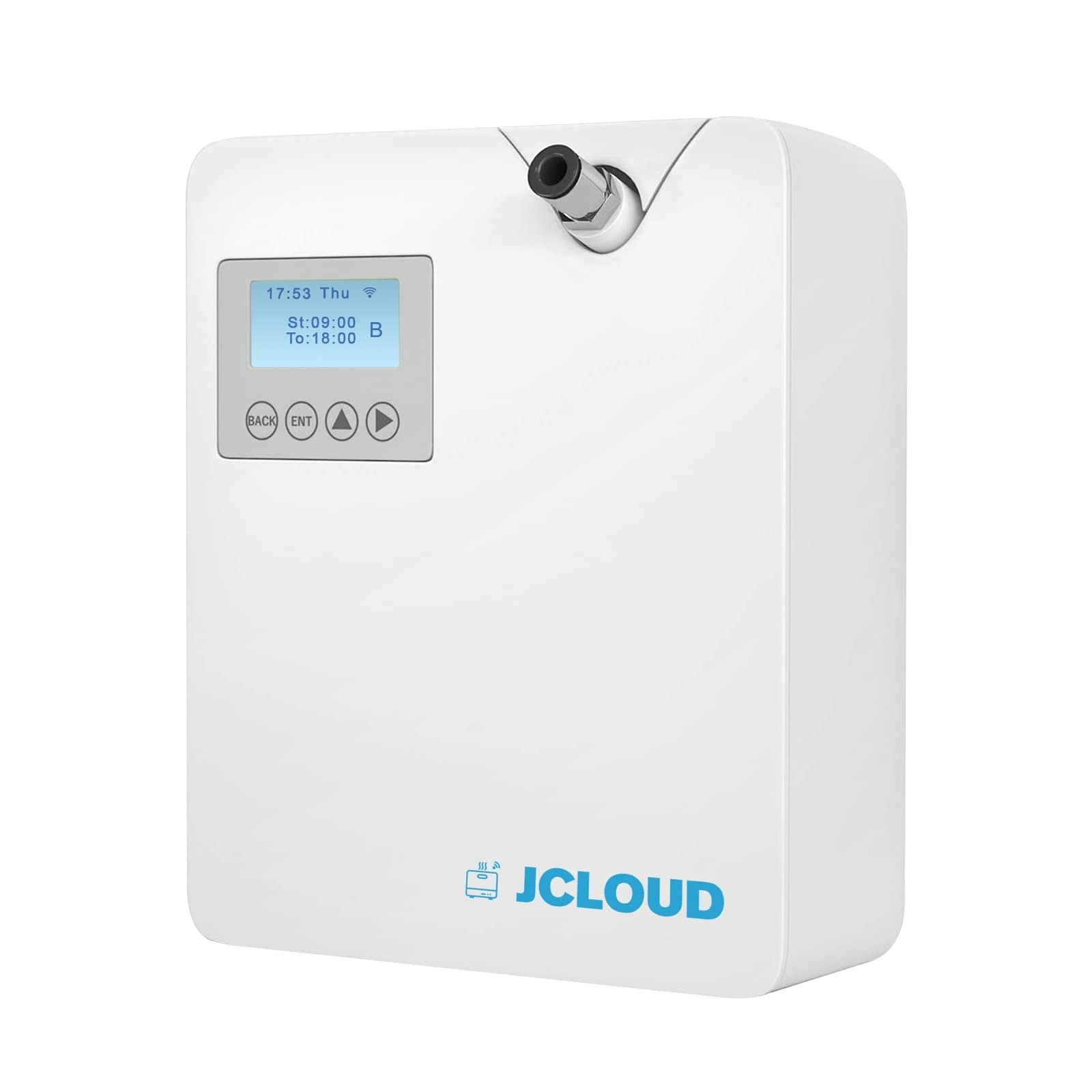
A cold air diffuser takes a completely different approach. Instead of waiting for fragrance to travel up a stick, it uses air pressure to break fragrance oil into an extremely fine dry mist and distribute it into the room. There is no water to dilute the fragrance and no carrier oil to formulate, and the machine controls when and how much fragrance is released.
That doesn't make reed diffusers obsolete. They still make a lot of sense for small spaces, they're quiet, they don't require electricity, and there's something nice about having a bottle sitting on a counter doing its job without any machinery involved.
If you're making one yourself, though, don't assume that any oil will work simply because it feels light enough to your hand. The base has to be able to move through the reeds, and that is the part most DIY recipes gloss over. Start with a proper diffuser base, use a fragrance that performs well in the format, give the reeds some airflow, and let the system do what it was designed to do.