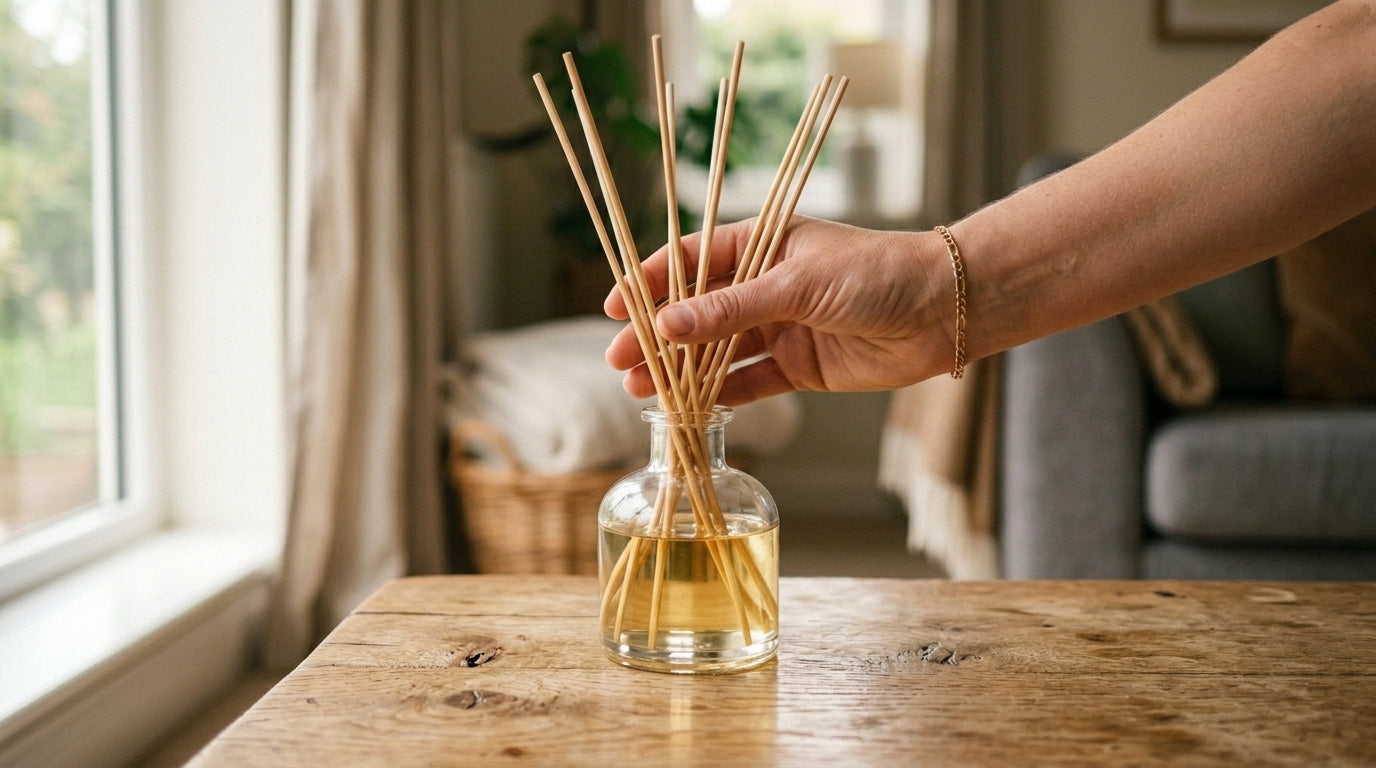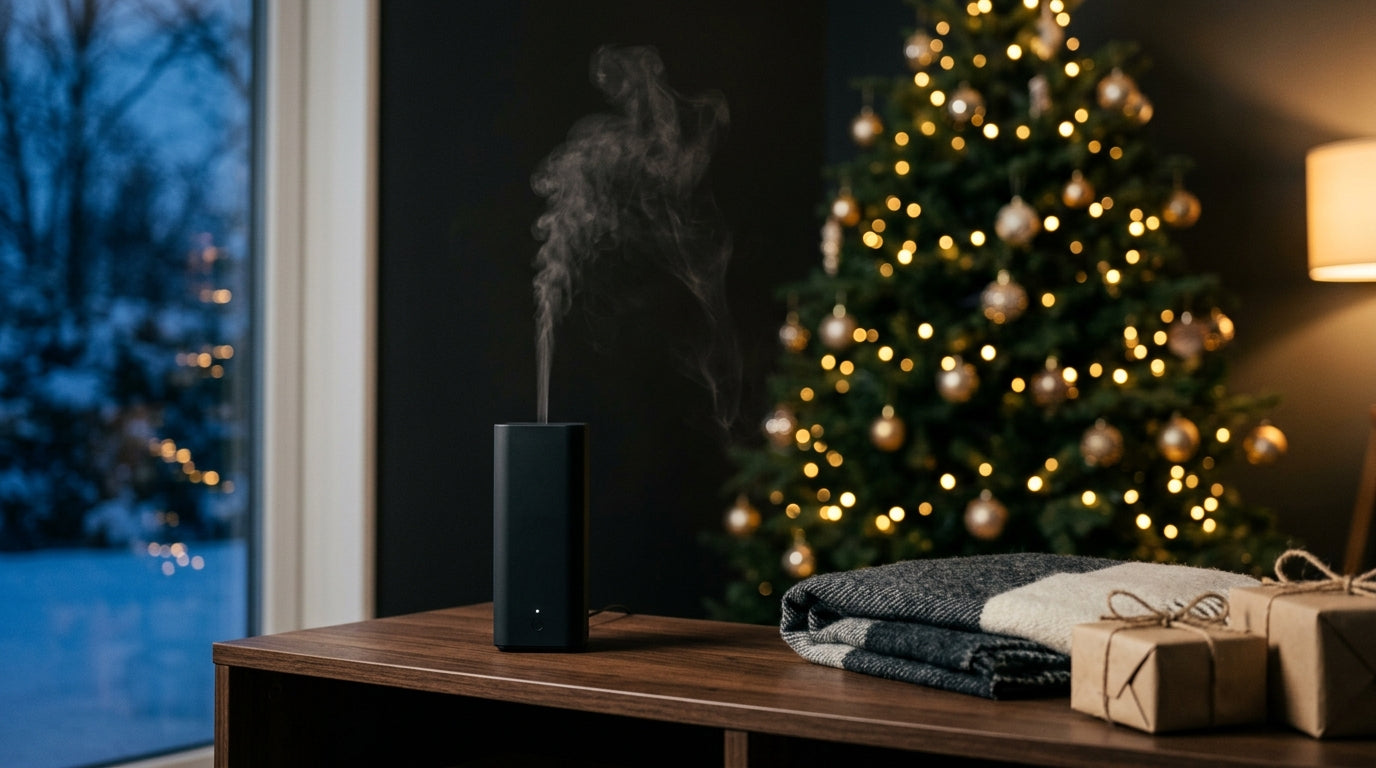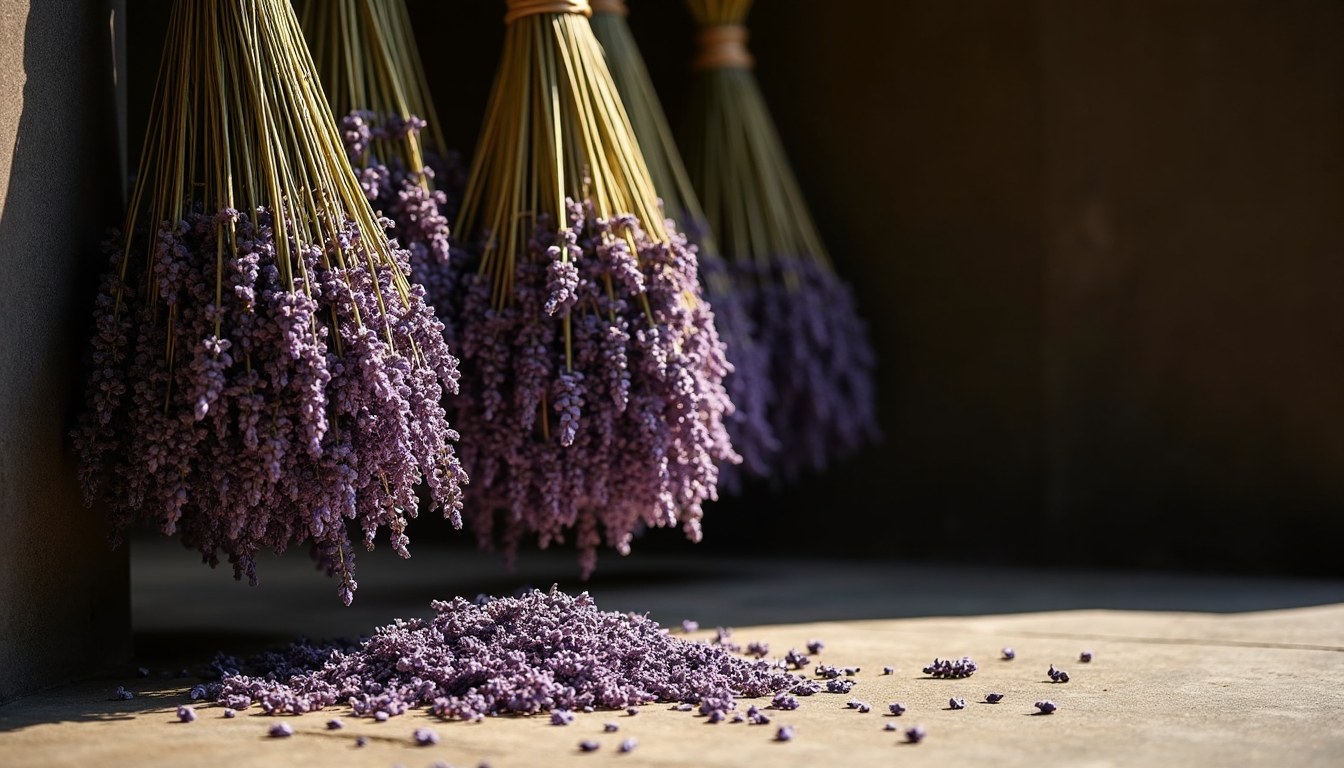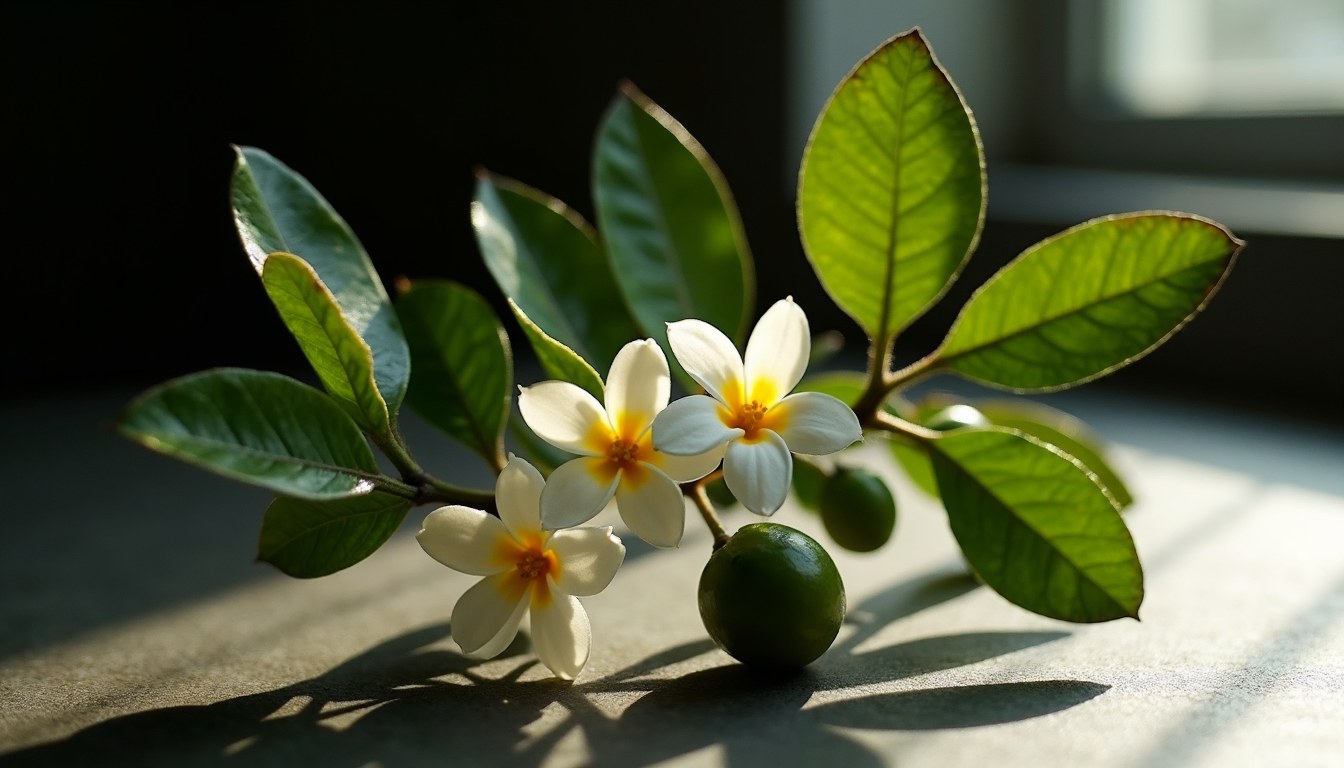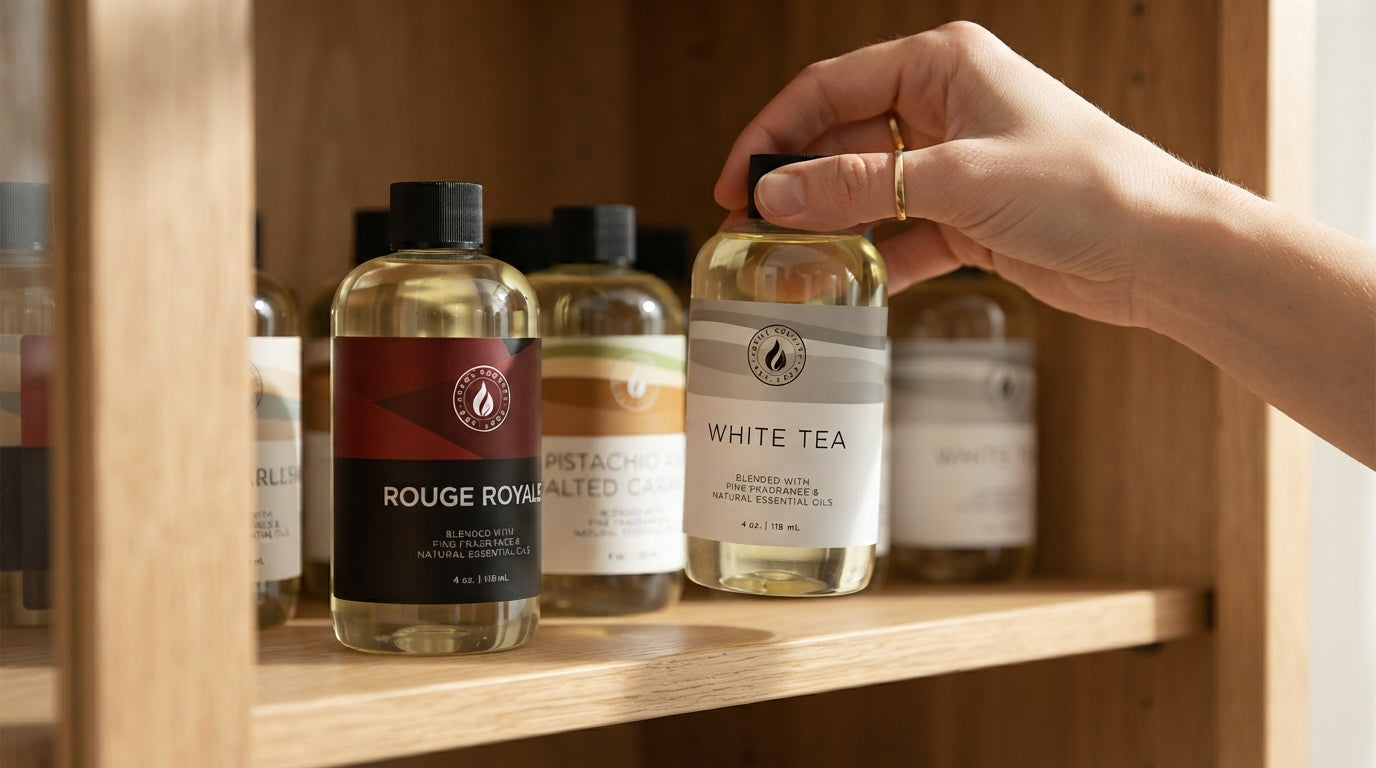









If you have ever walked into a beautifully scented home and could not quite name the fragrance, you were probably smelling a layer rather than a single scent. Two fragrances, chosen well, blend into something richer than either one alone. That is really all layering is, and once you know a few basics, you can do it with the you already own.
Let One Scent Lead
The most useful rule of layering is simple: one scent leads, the other supports. Give two bold fragrances equal weight and they compete until neither reads clearly. Pick the scent you want to notice first, then bring in a second at lower strength to round it out. Think of it like cooking, where one ingredient carries the dish and everything else is seasoning.
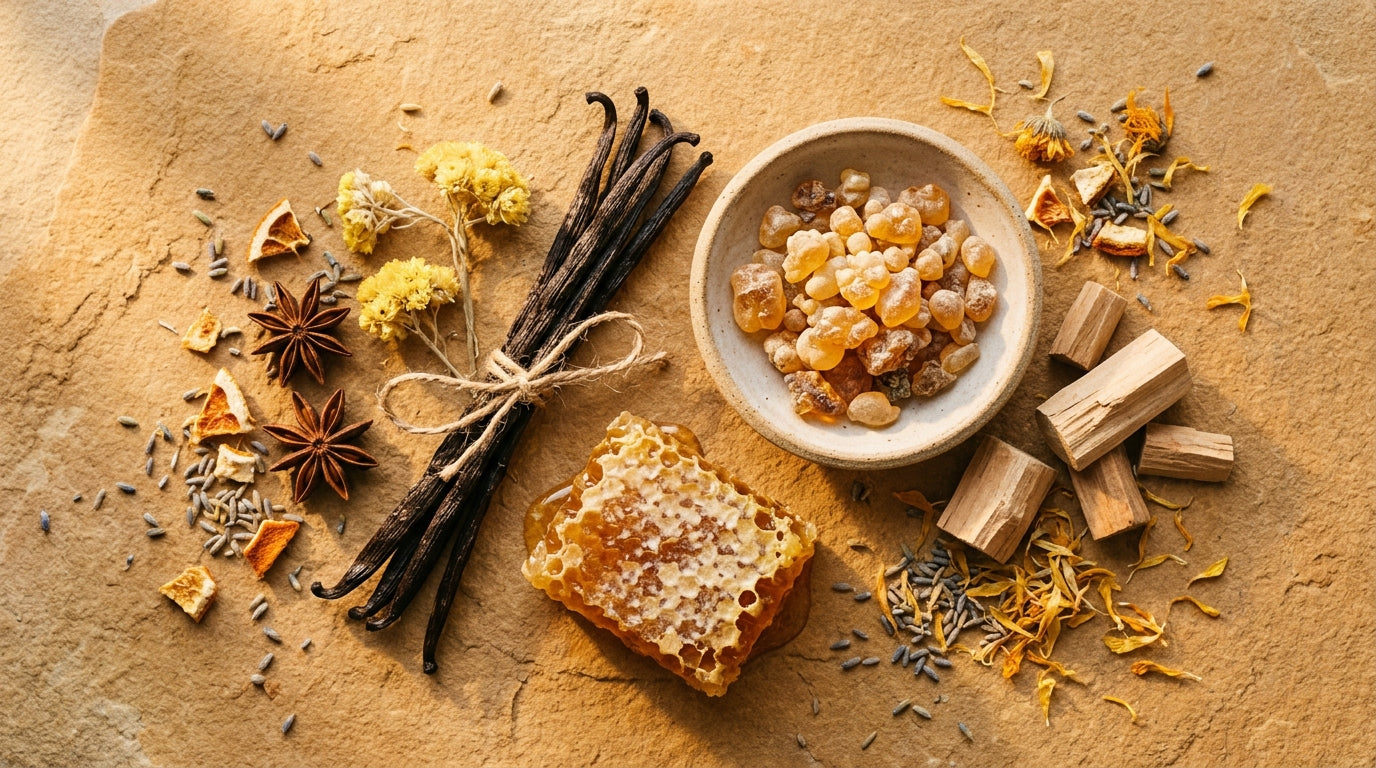
It also helps to pair light with heavy. Bright notes like citrus and green tea rise to the top and greet you first, while deeper notes like sandalwood, amber, and vanilla settle underneath and hold the room longer. Put one of each together and they occupy different layers of the air instead of fighting over the same space.
Know Your Scent Families
Most home fragrances fall into four broad families, and pairing gets much easier once you can place a scent in one of them.
Fresh and citrus scents are bright and clean. They make natural openers in a pairing, because their lift carries whatever sits beneath them. Our like White Tea and Capri Sunrise are a good place to start.
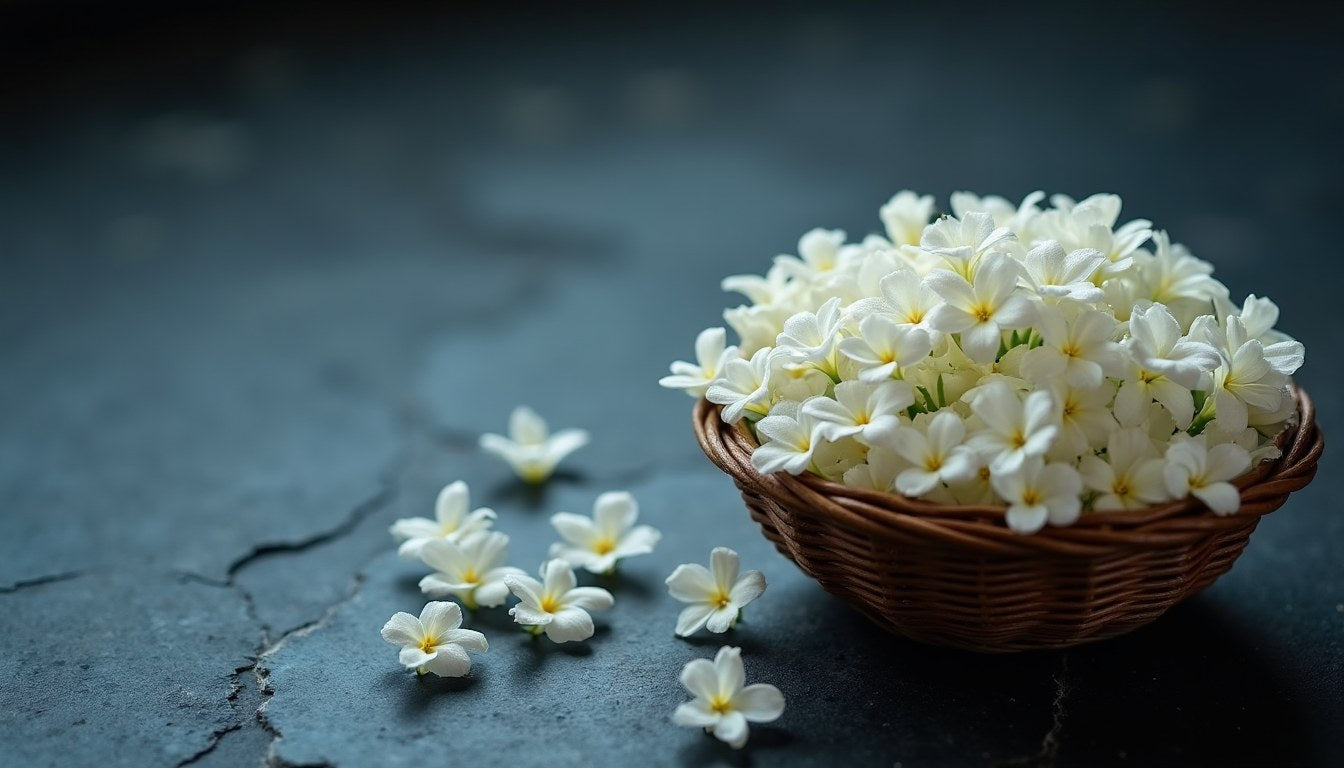
Floral scents sit in the middle of a blend. Notes like jasmine, rose, and gardenia add a soft heart that connects a bright top to a deep base, which is why our pair well in both directions.
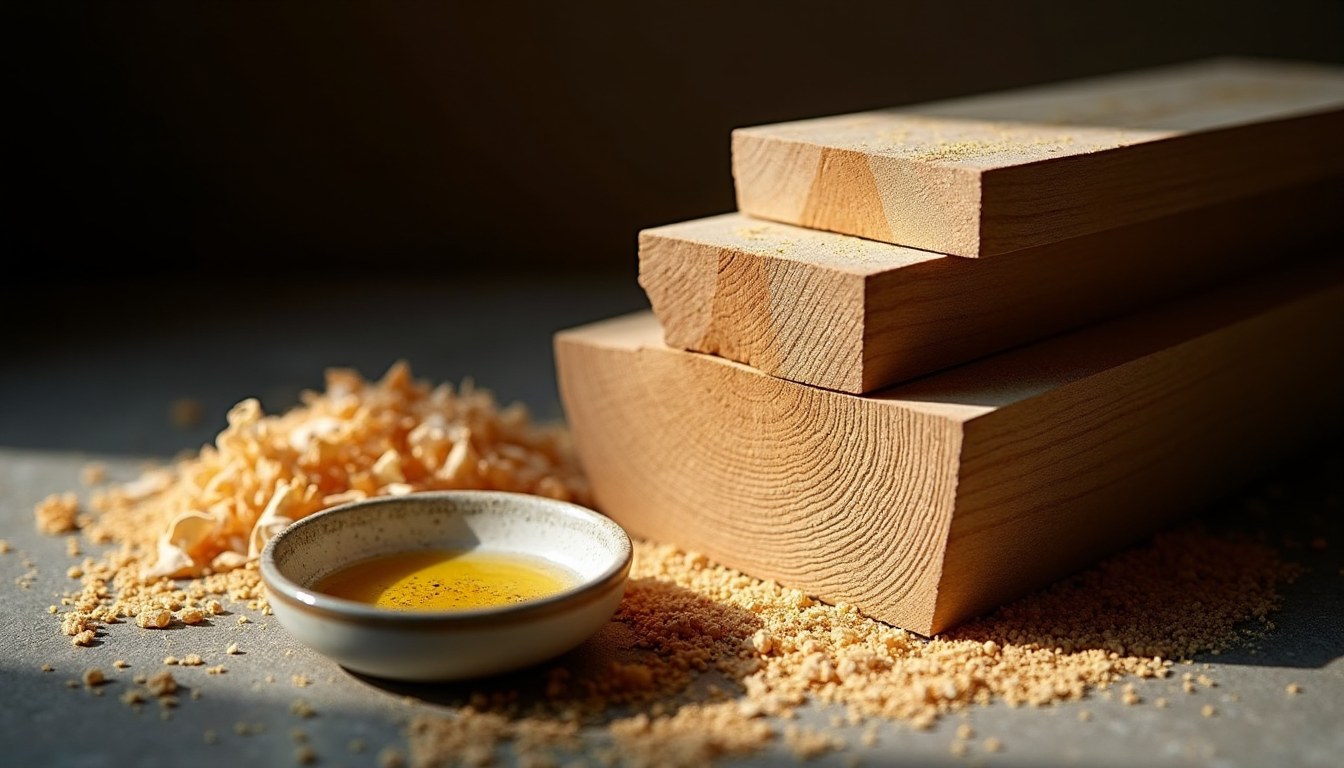
Woody and earthy scents are the anchors. Sandalwood and cedar give a pairing weight and staying power, so lighter notes last longer than they would on their own.
Warm and rich scents bring sweetness. Amber and vanilla work like a base layer under brighter notes, the scent equivalent of a warm room on a cold day.
Pairings From Our Collection
A few combinations that are hard to get wrong, straight from our lineup:
- Citrus over wood: Capri Sunrise in the lead, Chandan Sandalwood underneath. Bright, sunny citrus over pure, traditional sandalwood reads polished without trying hard.
- Floral over warm: Rose Garden leading, Whipped Vanilla in support. Soft rose over creamy vanilla is a classic for a reason.
- Fresh over floral: Fresh Linen leading, Blooming Jasmine behind it. A clean, cotton-fresh opening with a green jasmine heart stays light all day.
- Wood over warm: Signature Santal is already layered on its own, creamy sandalwood with a smooth, warm depth. Add a quiet supporting scent like Whipped Vanilla in the next room and the whole floor connects.
The pattern is the same every time: one bright or soft note out front, and one deeper note holding it up.
How to Layer With One Bottle Doing Two Jobs
Here is where our oils make layering easy. Every Aroma Country diffuser oil comes with a spray attachment, so it works as a room spray as well as a diffuser oil. That means you do not need two scent diffusers to run two scents.

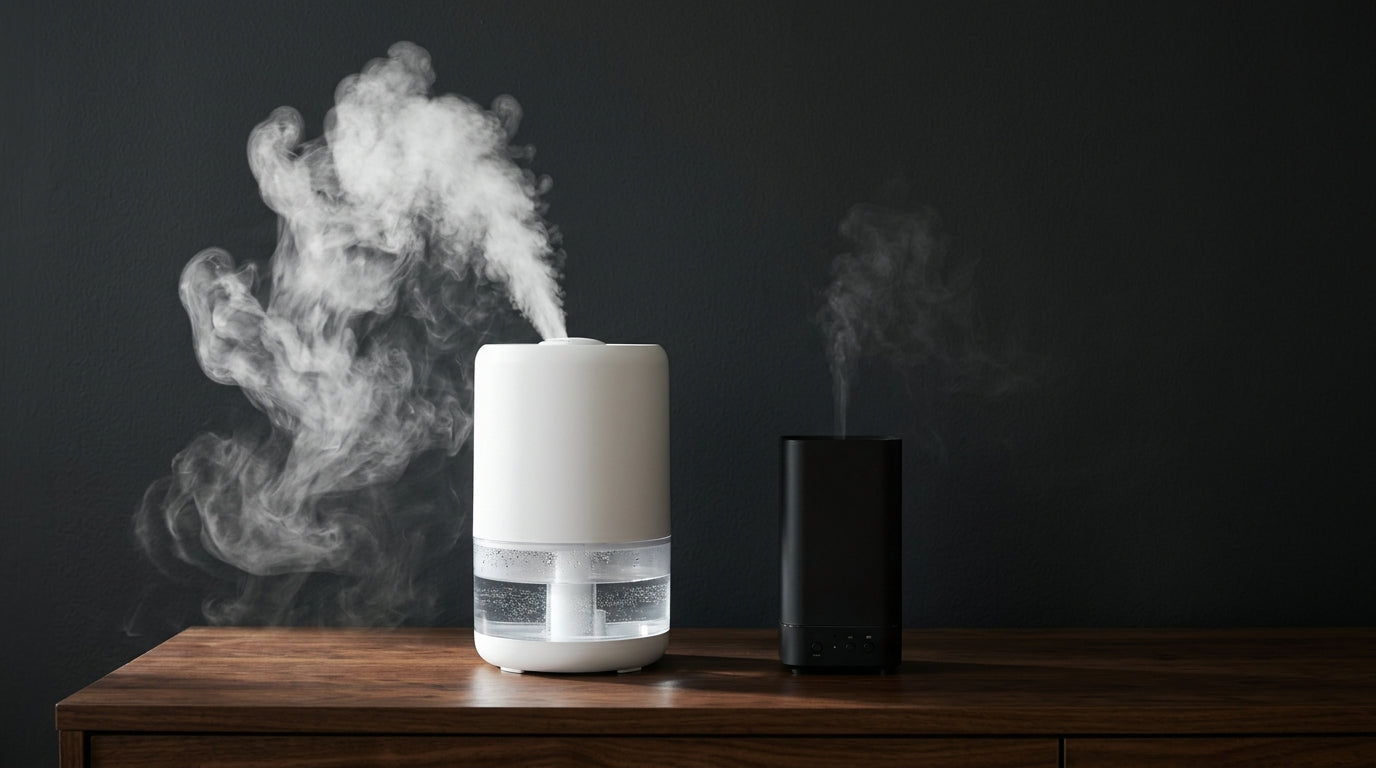
Run your lead scent in your diffuser so it fills the room steadily. Then use your supporting scent as a spray, with a pass or two near fabric, curtains, or the far side of the room. The diffused scent stays constant while the sprayed scent drifts in and out around it, which is exactly the lead-and-support balance you want. When you feel like changing the mix, you swap a spray rather than a whole diffuser bottle.
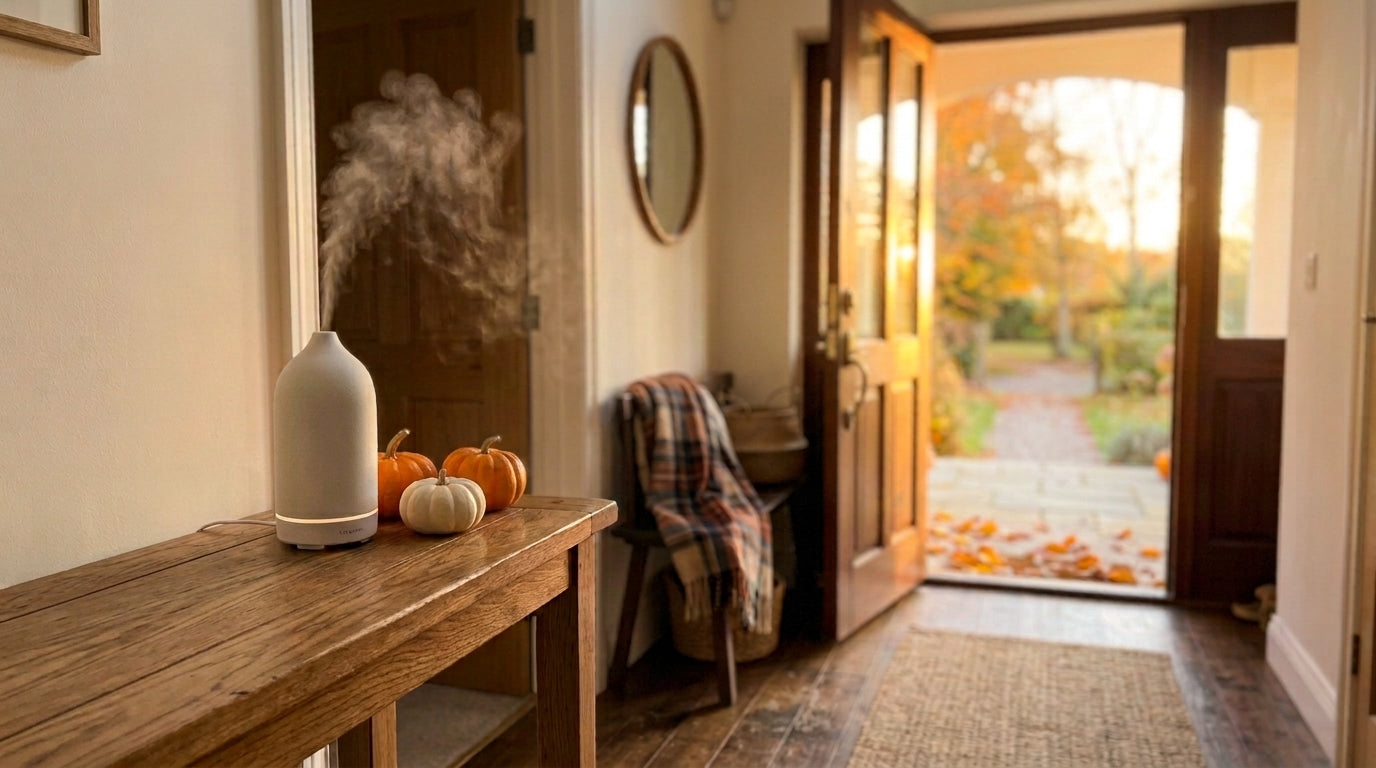
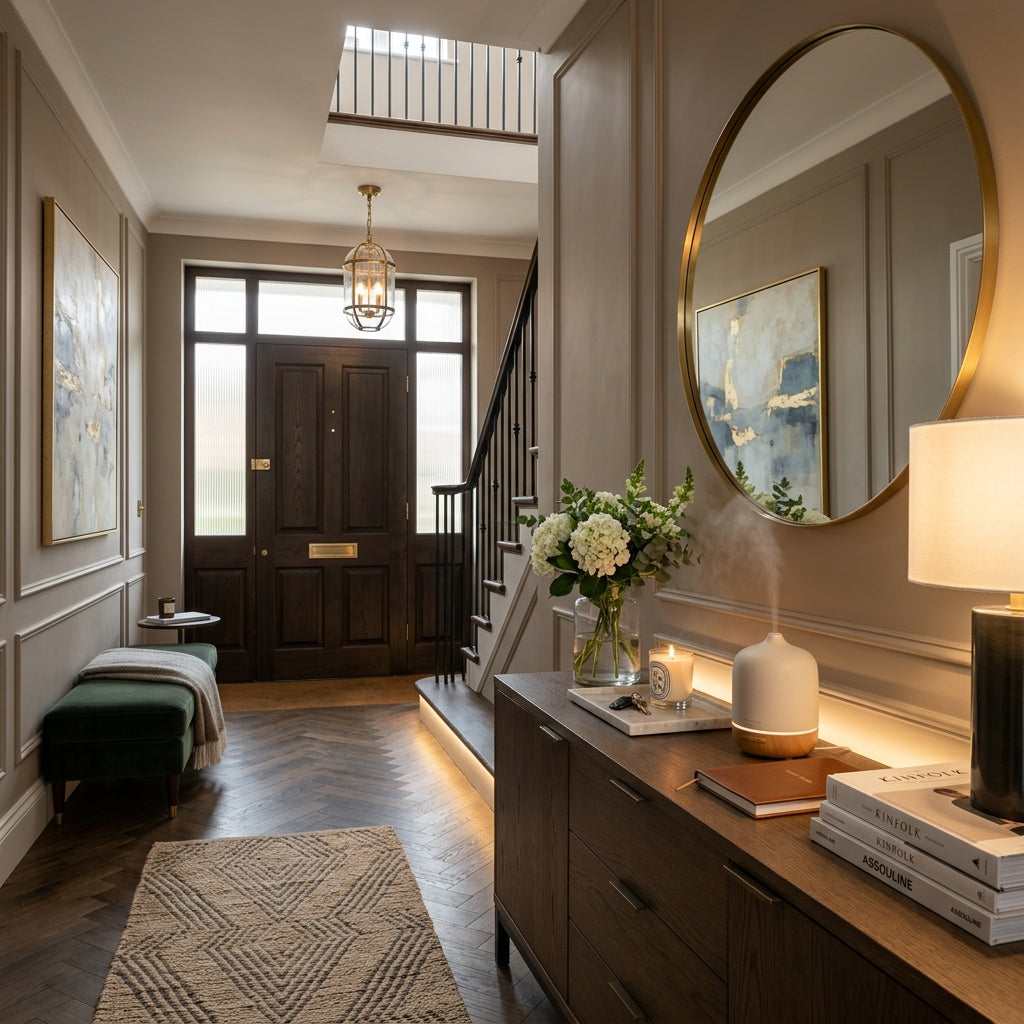
The second approach is to scent adjoining rooms with complementary blends, so moving through your home feels like one continuous fragrance rather than a series of unrelated smells. A fresh scent in the entryway flowing into a woody scent in the living room is a simple, reliable version of this.
Whichever route you take, start subtle. Live with a pairing for a day before you adjust it, since small changes go a long way with scent.
A Few Rules to Keep It Balanced
A handful of habits keep any pairing from going wrong. Keep it to two scents, or three at the very most, since more than that tends to turn muddy and nothing reads clearly. Avoid pairing two loud, dominant fragrances, because neither one wins. And when you are unsure, let a simple, familiar note like vanilla or sandalwood do the supporting work while the more distinctive scent leads.
Layering is meant to be low stakes. Every pairing is an experiment you can adjust tomorrow, and your own nose is the only judge that matters. One scent in the lead, a lighter note over a deeper one, and a handful of favorites is all it takes to build a home fragrance that is entirely your own.