







If you've ever wondered what bergamot smells like, the short answer is this: bright, zesty citrus with a soft floral lift and a gentle, almost tea-like spice underneath. It's one of the most recognizable notes in fragrance. It's fresh and lively, but more refined and rounded than a straight squeeze of lemon. Once you learn to spot it, you'll notice bergamot everywhere, from a morning cup of Earl Grey tea to some of the most elegant home fragrances on the shelf.
Here's a closer look at what gives bergamot its signature character, how it differs from other citrus, and where it shines when you're scenting your home.
[product=barber-shop]
Premium fragrance oil that pairs bright bergamot with classic barbershop notes, creating a clean, polished fragrance that feels timeless and refined.
[/product]
Bergamot at a Glance: The Scent Character
Bergamot's scent is best described as bright, crisp, and clean, with a citrus core wrapped in something softer. Where lemon is sharp and orange is sweet, bergamot sits gracefully in between. It's juicy and radiant up top, with a delicate floral roundness and a faint green, spicy edge that keeps it from ever feeling simple.
That balance is exactly why bergamot is so prized. It reads as fresh without being sour, and sophisticated without being heavy. People often describe it as "expensive-smelling citrus," and that's a fair way to put it. It's the same brightness you'll find in a like our Citrus Grove blend, which pairs it with zesty lemon and orange.
What Bergamot Actually Is
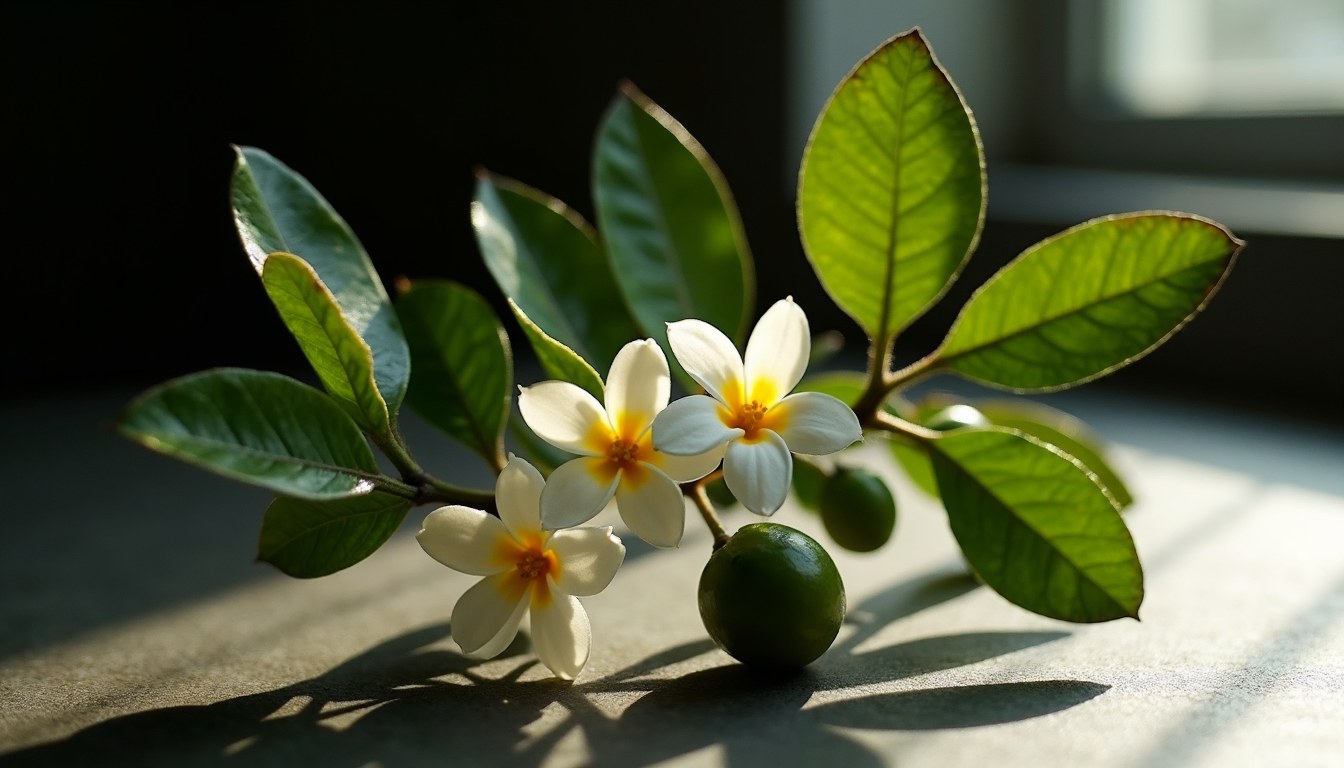
Bergamot is a small citrus fruit, about the size of an orange, with a yellow-green skin, grown mostly along the coast of southern Italy. It's the fragrant oil pressed from that peel that perfumers and home-fragrance makers reach for.
You almost certainly already know the scent, even if you've never seen the fruit. Bergamot is the distinctive aroma that gives Earl Grey tea its unmistakable character: that bright, slightly perfumed note rising off the cup. If you enjoy that smell, you already have a head start on recognizing bergamot in a fragrance.

Where Bergamot Sits in a Fragrance, and Why It Fades First
Bergamot is what's known as a top note. It's the first impression of a scent, the brightest and lightest element you smell the moment a fragrance is released into the air. Top notes are also the quickest to evaporate, which is why a citrus opening often gives way to deeper, longer-lasting notes over time. Bergamot's job is to open a fragrance with brightness and energy, setting the stage for everything that follows.
Bergamot vs. Other Citrus: How to Tell Them Apart
Citrus notes are easy to lump together, but each has its own personality:
- Bergamot: bright and juicy, but with a soft floral-spicy roundness. The most "refined" of the citrus family.
- Lemon: sharper, more sour and acidic. Zippy and clean, but without bergamot's floral softness.
- Orange (sweet orange): rounder, sweeter, almost candy-like. Cheerful and warm rather than crisp.
- Grapefruit: tangy and slightly bitter, with a pink, mouthwatering edge.
If lemon is the loudest citrus and orange is the sweetest, bergamot is the most elegant. Think of it as citrus with its collar turned up.
What Bergamot Pairs Well With
Part of what makes bergamot so versatile is how easily it plays with other notes. Its brightness lifts heavier scents, while its soft floral side helps it blend smoothly. Common, well-loved pairings include:
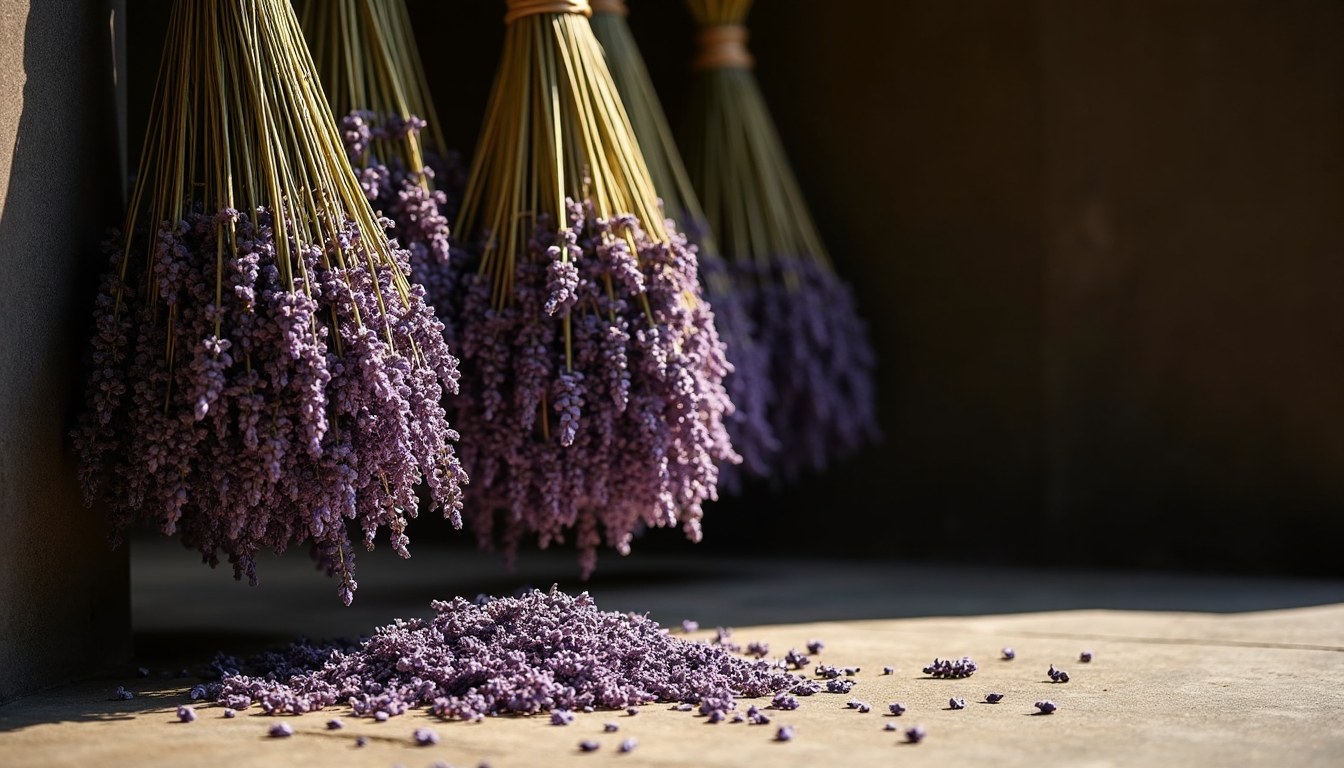
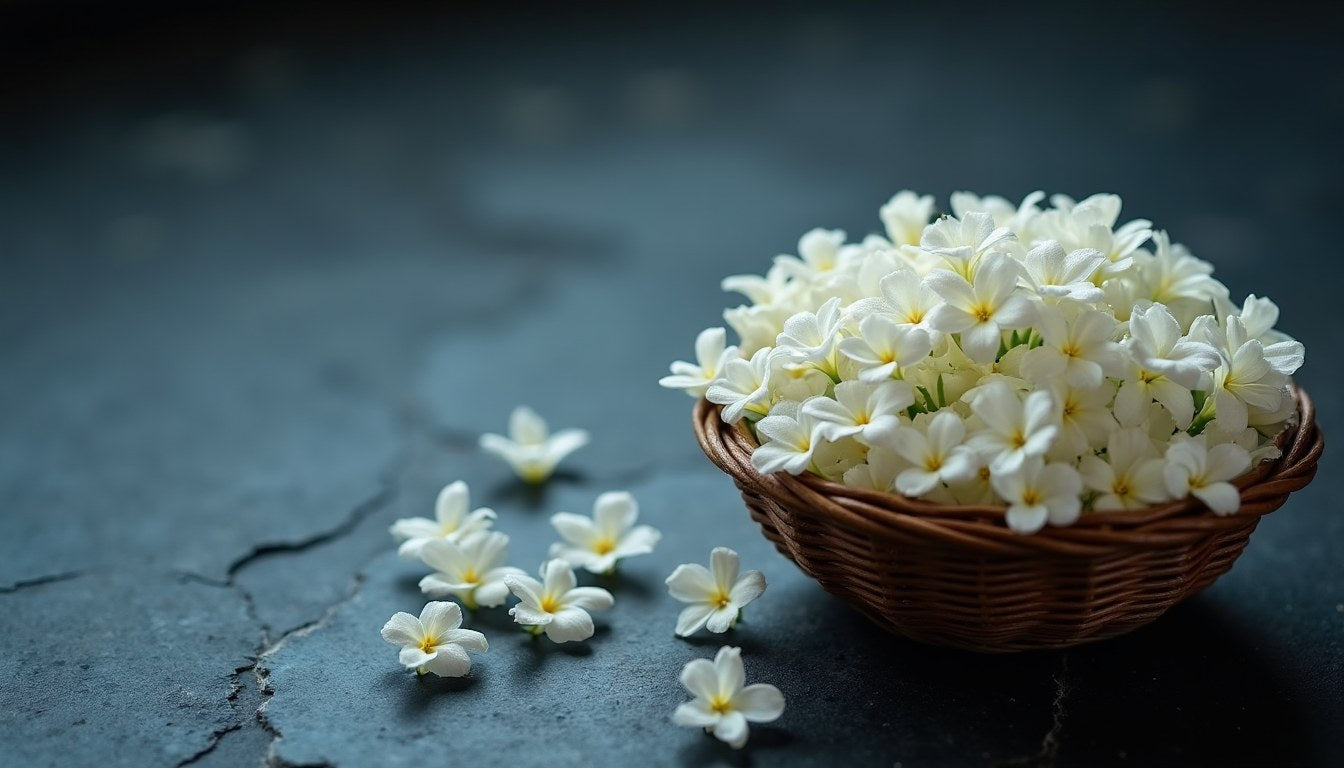
- Florals: jasmine, neroli, and lavender (as scents) gain freshness from a bergamot top.
- Woods: sandalwood and cedar are grounded and warm, and bergamot adds a crisp opening that keeps them from feeling too dense.
- Warm notes: amber and vanilla create a fresh-meets-cozy contrast with bergamot's brightness, a hallmark of our luxury .
- Other citrus: bergamot is beautiful alongside lemon and orange, layering brightness with depth.
Bergamot in Home Fragrance
Because bergamot is so bright and clean, it's a popular choice for spaces where you want the air to feel fresh. It's commonly chosen for:
- Kitchens: its crisp citrus character suits a space you want to feel clean and bright.
- Entryways: a fresh first impression as you walk through the door.
- Mornings: many people reach for citrus-forward scents earlier in the day.
- Open, airy rooms: bergamot's brightness complements spaces filled with natural light.
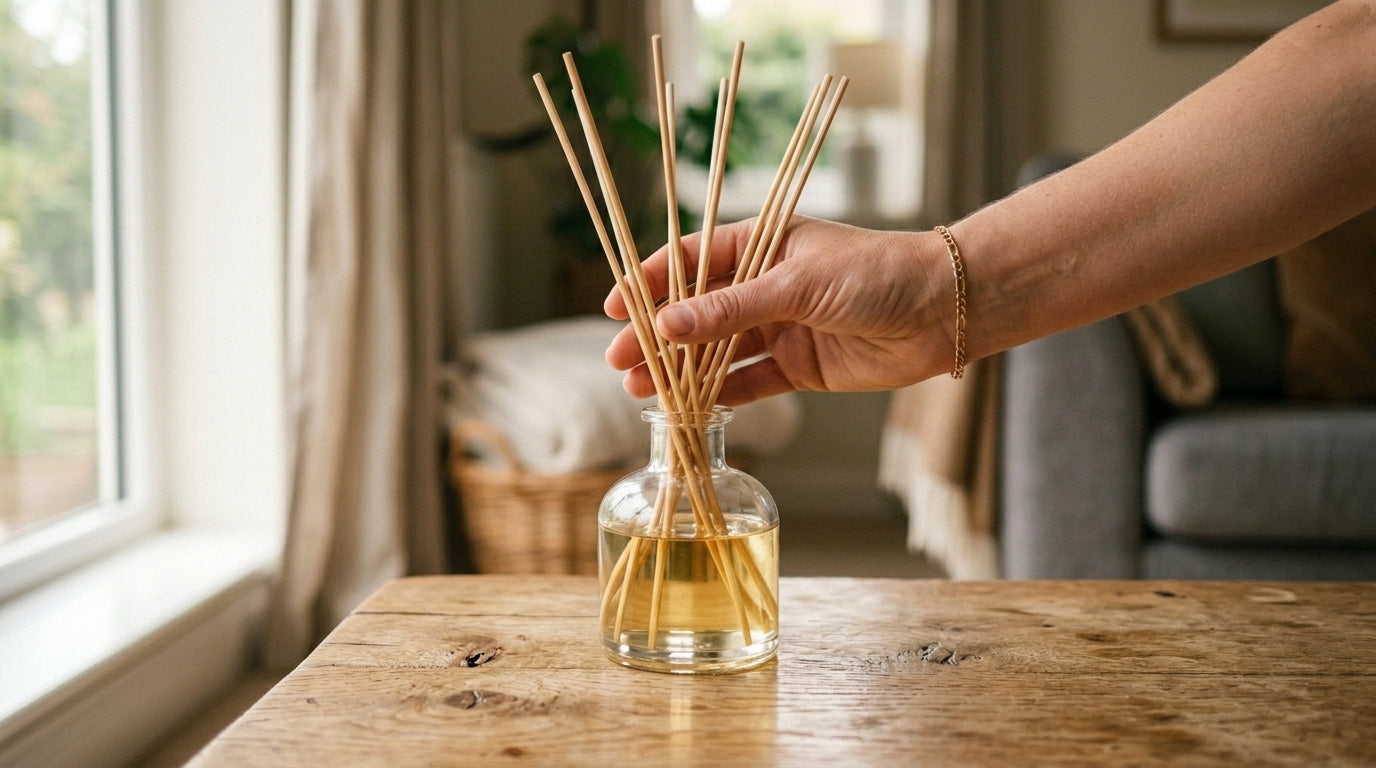
As a top note, bergamot makes its biggest impression early, so it's wonderful in a diffuser oil where you want that initial wave of freshness, especially when paired with a warmer base that lingers as the scent settles.
Bringing Bergamot Into Your Home
If bergamot's bright, refined character sounds like your kind of atmosphere, it's at its best in a finished blend. For a sunnier, lemon-forward option, our , Limoncello, shows just how lively this family can be, while Citrus Grove leans into that classic lemon-orange-bergamot freshness.
Bergamot is proof that citrus can be more than simply "fresh." It's bright, polished, and endlessly wearable around the home, the kind of note that makes a space feel instantly more put-together.