




TL;DR
Vacant homes carry a flat, empty smell that buyers register the moment they walk in. A high quality fragrance, run through a cold air diffuser at low intensity in the main living space, fills the sensory gap that visual staging cannot. Choose universally appealing profiles like white tea, soft citrus, or light woods. Run the diffuser for thirty minutes before showings, and on a daily schedule for long-term listings. The goal is air that feels cared for, not air that smells like fragrance.
A vacant home presents a particular challenge in real estate. The walls are clean, the floors are pristine, and every surface has been prepared for the camera. Yet something is missing. The space feels hollow, and the air carries that distinct empty house quality that buyers register the moment they walk through the front door. This is where vacant home staging meets one of its most overlooked tools: scent.
Most conversations about staging an empty house focus on furniture rentals, lighting, and visual presentation. These elements matter, but they only address what buyers see. A property's scent profile shapes how the home feels, and feeling is what closes the gap between a walkthrough and an offer. A thoughtful scent strategy turns a vacant property from a blank space into one that buyers can imagine living in.
Why Vacant Home Staging Needs Scent
When a home sits empty, the air inside it changes. Without daily cooking, laundry, soft furnishings, and the natural rhythm of a household, the space loses the layered scent profile that signals "lived in." What replaces it is the flat, slightly stale character of unoccupied air, often paired with whatever lingering notes were left behind from cleaning products, fresh paint, or carpet treatments.
[product=fresh-linen]
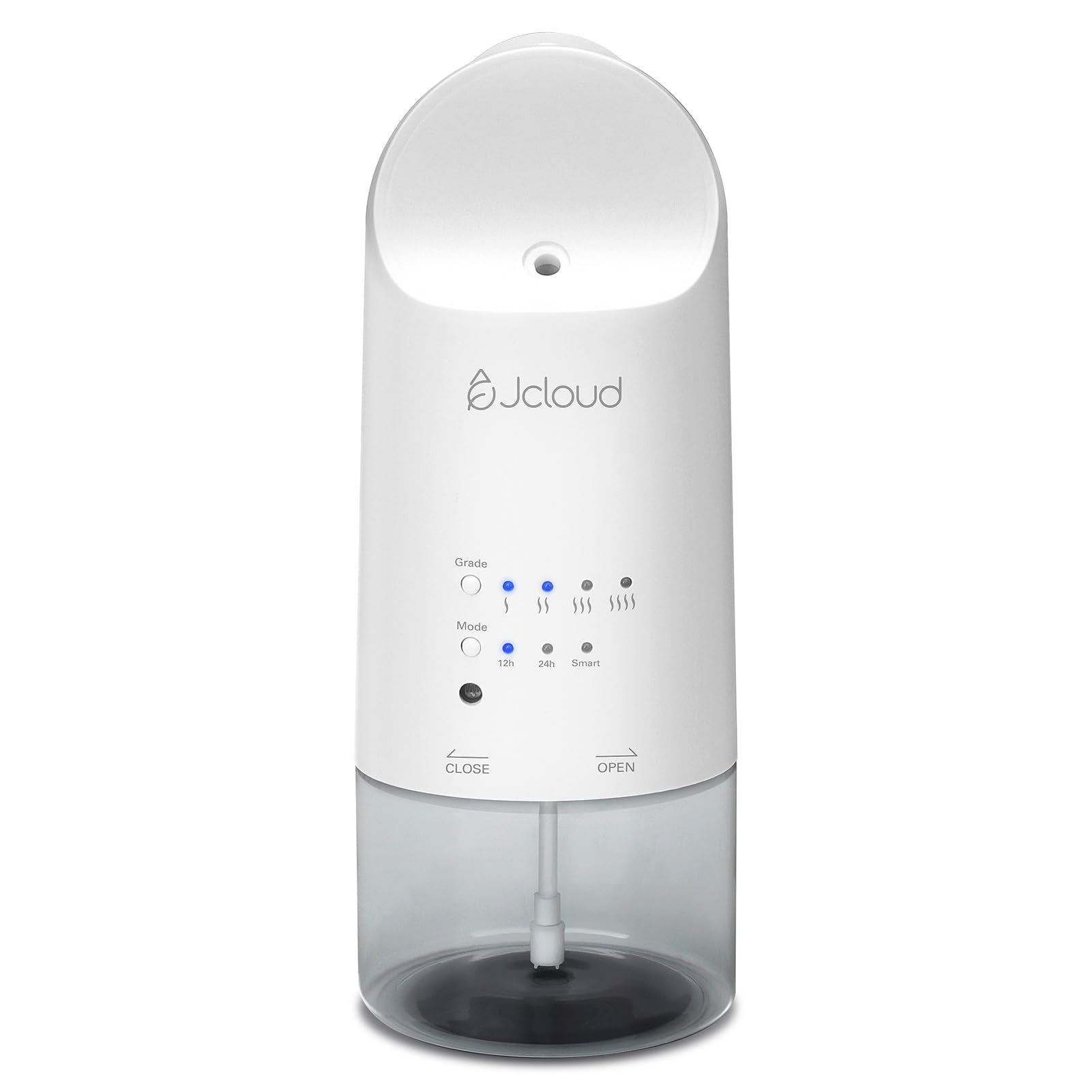
High quality home fragrance that creates a clean, neutral first impression in an empty space, helping the home feel cared for without leaning chemical or overly perfumed.
[/product]
For buyers, this matters more than most sellers realize. The first sensory impression of a property happens before a single word is spoken. A vacant home that smells neutral, clean, and intentional reads as cared for. A vacant home that smells stale or chemical reads as neglected, even if every other element of the staging is flawless.
Scent fills the perception gap that visual staging cannot reach. Even the most thoughtfully furnished empty house staging setup feels incomplete without it.
The Problem With Empty House Smell
There is a recognizable smell that vacant properties tend to carry. Buyers may not name it directly, but they notice it. The most common contributors are trapped indoor air, residual cleaning products, off-gassing from fresh paint or new flooring, dampness from low HVAC use, and the absence of the soft fabric and household notes that normally balance a home's air.
The instinct is to mask the issue with a heavy scent, but masking creates its own problem. A strong fragrance signals to buyers that something is being covered up, and that perception undermines trust. The right approach is the opposite: introduce a clean, high quality fragrance that supports the air rather than overwhelms it.
This is the foundation of a vacant home scent strategy. The goal is not to make the house smell like fragrance. The goal is to make the air feel complete.
How to Make a Vacant Home Smell Good Before a Showing
A pre-showing scent setup for a vacant property starts with the basics. Before introducing any fragrance, the home should be clean, the HVAC system should be running for at least an hour to refresh the air, and any visible sources of trapped odor should already be addressed. Scent works best when it has a neutral foundation to settle into.
Once the air is prepared, a cold air diffuser placed in the main living area builds a soft, steady presence within twenty to thirty minutes. The fragrance should be light enough to feel like part of the home rather than a layered addition. For most vacant properties, a clean citrus, a soft floral, or a long lasting neutral works far better than anything sweet or heavy.

Run the diffuser at low to medium intensity. The aim is for buyers to walk in and feel the air, not identify the scent. If they consciously notice fragrance the moment they step inside, the intensity is too high.
Choosing Fragrance Oils for Empty House Staging
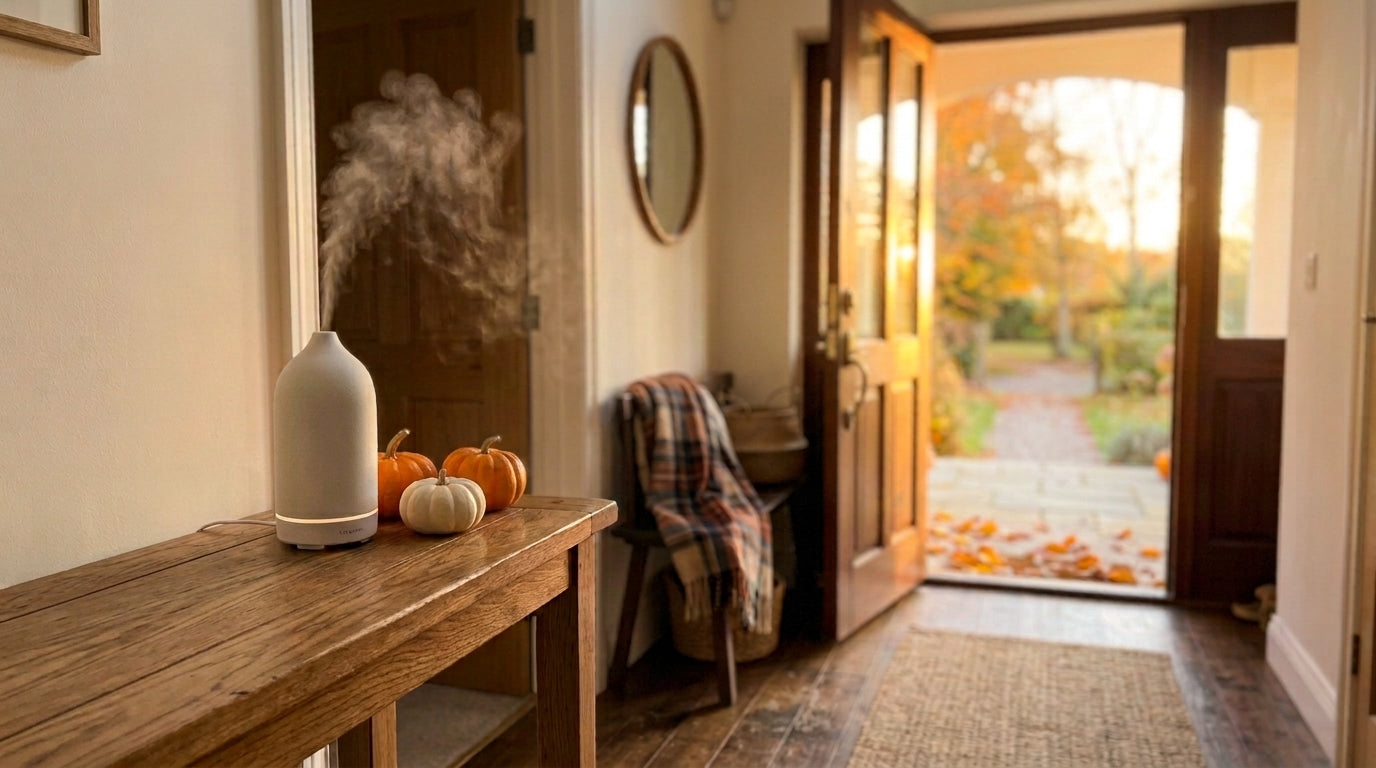
Not every fragrance suits a vacant property. The right oil for staging an empty house is one that reads as universal, refined, and clean. Avoid anything that leans heavily seasonal, gourmand, or polarizing. Buyers walking through a listing in March do not want to encounter pumpkin spice, and a buyer with a strong opinion about florals will react more strongly to a heavy rose than to a light citrus.
Universally appealing profiles for vacant home staging include:
- White tea, jasmine, and soft lemon for a clean, modern feel
- Citrus peel and bergamot for brightness and lift
- Light woods like cedar or sandalwood paired with airy musk for refined warmth
- Soft florals such as neroli or gardenia for elegance without sweetness
These profiles work because they support the impression that the home is cared for and well-kept, without drawing attention to the fragrance itself. They also pair well with the kind of neutral interior staging that most agents already use.
Diffuser Placement in a Vacant Property
In a furnished home, fragrance has natural anchors. Soft furnishings hold scent. Curtains and rugs slow the air. In a vacant property, none of those exist, which means diffuser placement matters more, not less.
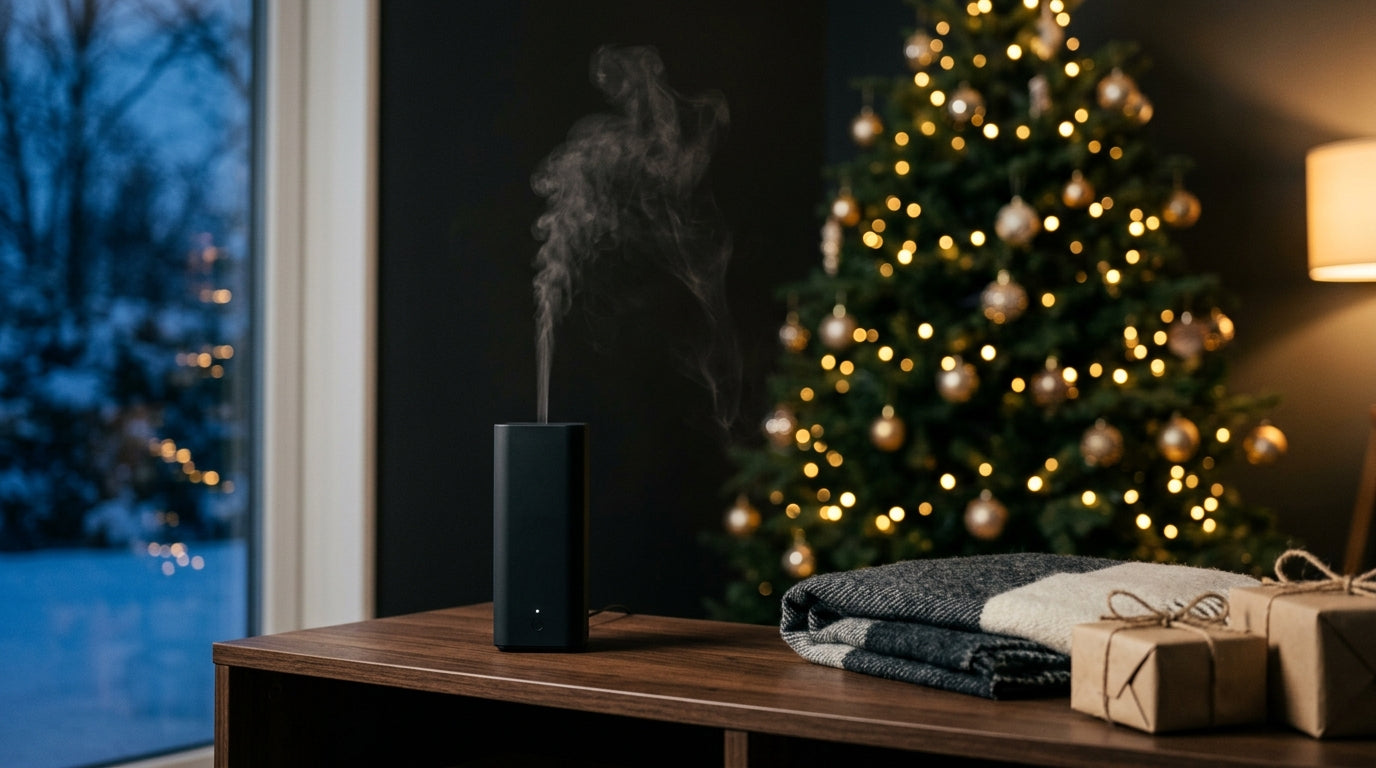
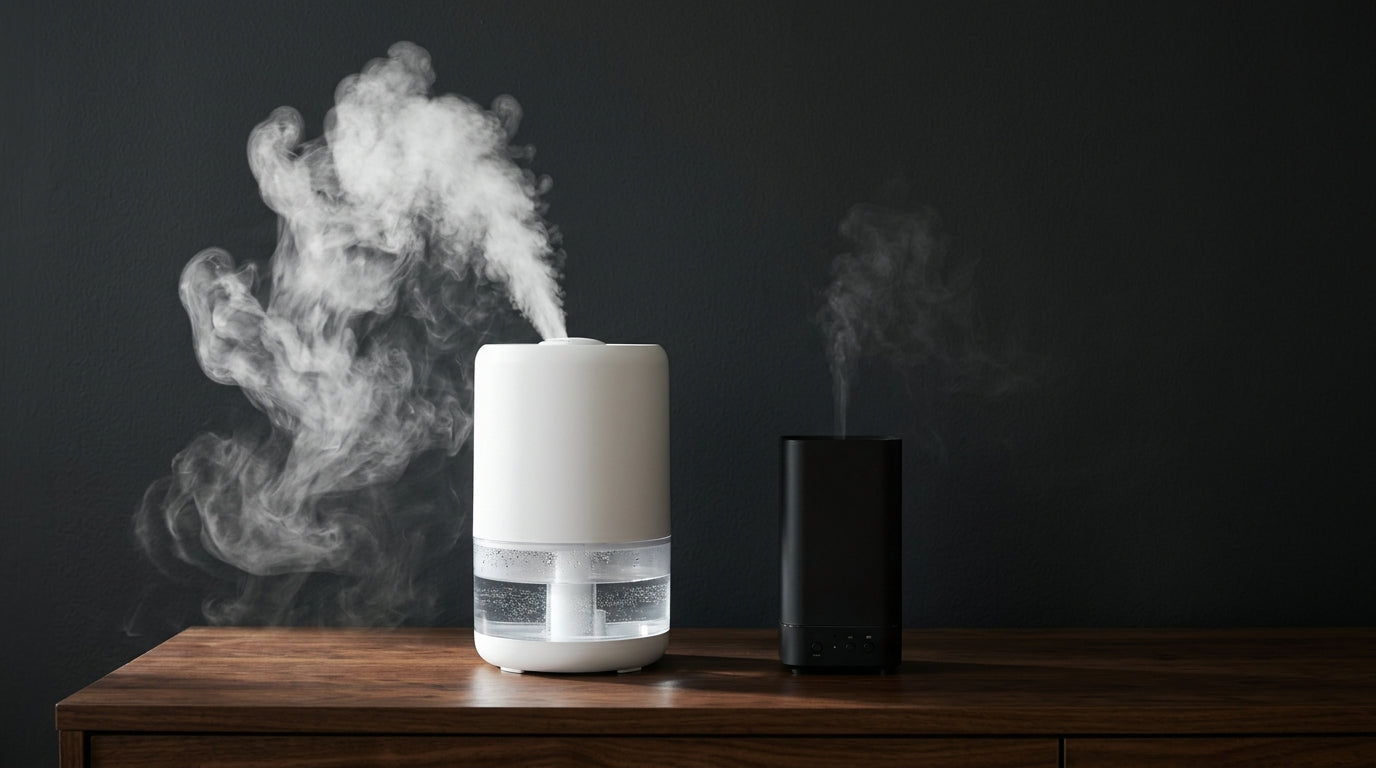
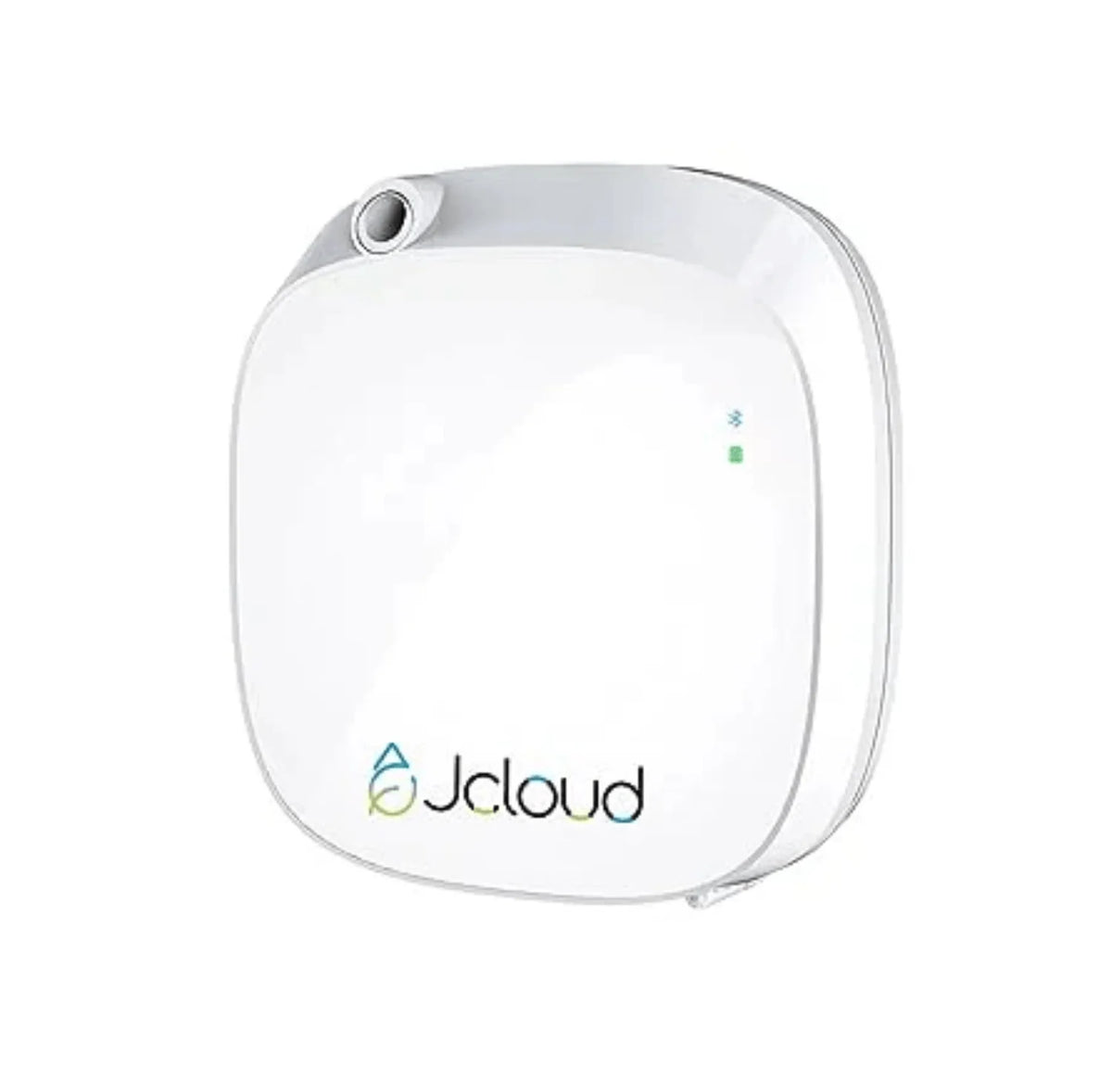
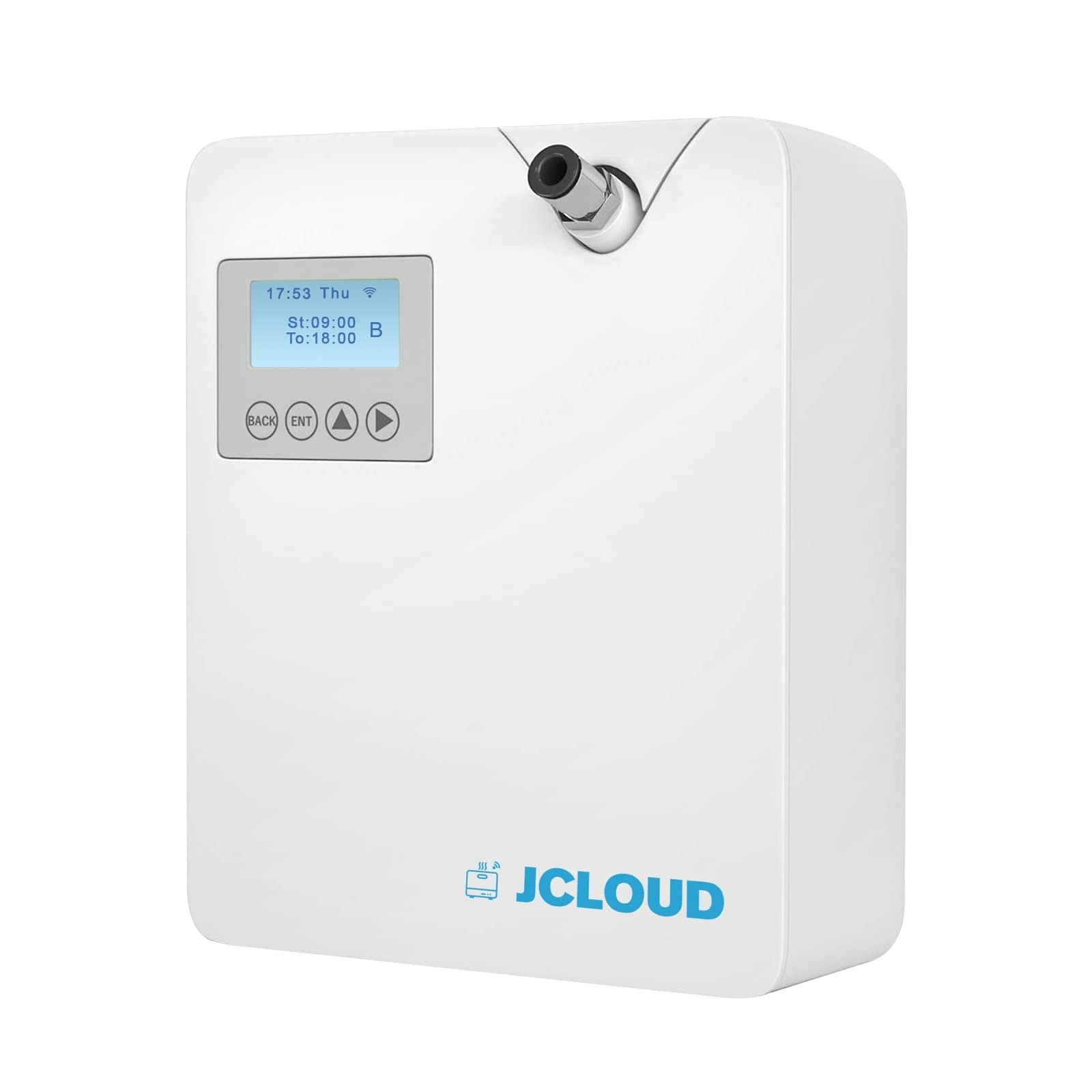
The most effective placement for a vacant property is in the central living space, positioned so the fragrance can travel naturally with the home's airflow. Avoid placing the diffuser directly in front of an HVAC return, near an open window, or in a corner where the scent will pool rather than circulate. A diffuser elevated on a console table or shelf at chest height performs better than one placed on the floor. A plug-in unit like the JCloud Smart Plug-In Scent Air Machine works well in vacant settings because it runs without surface space, plugs directly into a wall outlet, and can be set on a schedule, which is especially useful when an agent is not on site between showings.
For larger vacant homes or open floor plans, two diffusers placed at opposite ends of the main level create even coverage. For smaller listings, one well-placed unit handles the entire space.
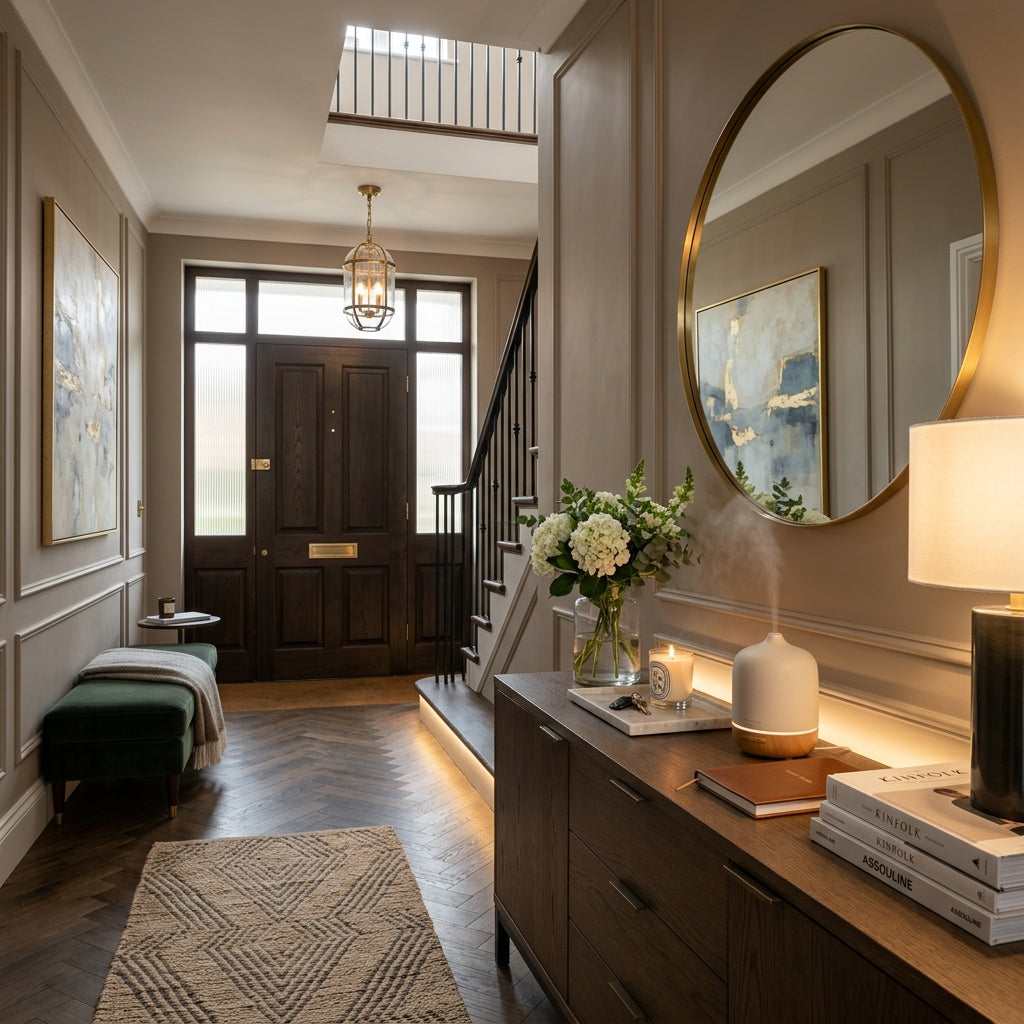
If the home has a forward-facing entry that opens directly into a primary living area, position the diffuser so the scent reaches the entry within the first few feet of the buyer's walkthrough. This is the moment that anchors their first impression.
A Realtor's Pre-Showing Vacant Home Scent Routine
A consistent routine takes the guesswork out of staging a vacant property for showings. The following sequence works for both individual showings and open house weekends.
Two hours before the showing, run the HVAC system to refresh the indoor air. One hour before, start the cold air diffuser at a medium intensity. Thirty minutes before buyers arrive, lower the diffuser to a soft, steady setting and confirm that the scent feels present but not announced.
This pacing allows the fragrance to settle into the home rather than hit buyers in a concentrated wave. It also gives the air time to balance, which is what creates the impression of a well-cared-for property rather than a freshly fragranced one.
For agents managing multiple vacant listings, this routine scales. The same diffuser and oil can move between properties, with each home set up the morning of a showing day.
Scent Strategy for Long-Term Vacant Listings
A property that has been on the market for weeks or months requires a different approach than one being prepared for a single showing. Long-term vacant listings need a scenting plan that runs consistently, not just before walkthroughs.
For listings expected to remain vacant for an extended period, set the diffuser to operate on a daily schedule. Two to three short cycles per day, run at low intensity, prevent the empty house smell from settling back in between showings. This also keeps the property in a constant state of readiness, which matters when last-minute showing requests come in.
Replace the fragrance oil before it runs dry. A vacant home staging setup that runs out of oil mid-week defeats the purpose of the routine. Set a reminder that aligns with the average bottle life at the chosen intensity.
For homes that will be vacant through a season change, refresh the fragrance choice. A fragrance that worked beautifully in January may feel slightly off in May. Our guide to seasonal scents offers a clear starting point for matching fragrance to the time of year, to keep the listing feeling current.
A Final Note for Realtors and Stagers
A vacant home is a space full of potential, but potential alone does not close deals. Scent is one of the few tools that bridges the gap between an empty room and a buyer's imagination. When the air feels clean, refined, and intentional, the rest of the staging works harder. The fragrance itself becomes invisible, but the impression it creates lingers with every buyer who walks through.
For realtors and stagers managing multiple listings, a thoughtful vacant home scent strategy is not an extra step. It is one of the simplest, highest-impact additions to the staging process, and one that buyers feel even when they cannot name what they are responding to.