







Walk into a five-star lobby and you can usually tell within a few seconds. The scent in the air is not an accident. Hotels put real time and budget into their signature fragrance because it shapes how a guest experiences the property before they ever reach the front desk. A well-built scent reads as clean, calm, and expensive, and it does that work quietly in the background.
While every brand has its own twist, the building blocks are surprisingly consistent. Look at what is actually inside those signature luxury hotel scents and the same handful of notes show up again and again. Here are the five that appear most often, and why each one earns its place.
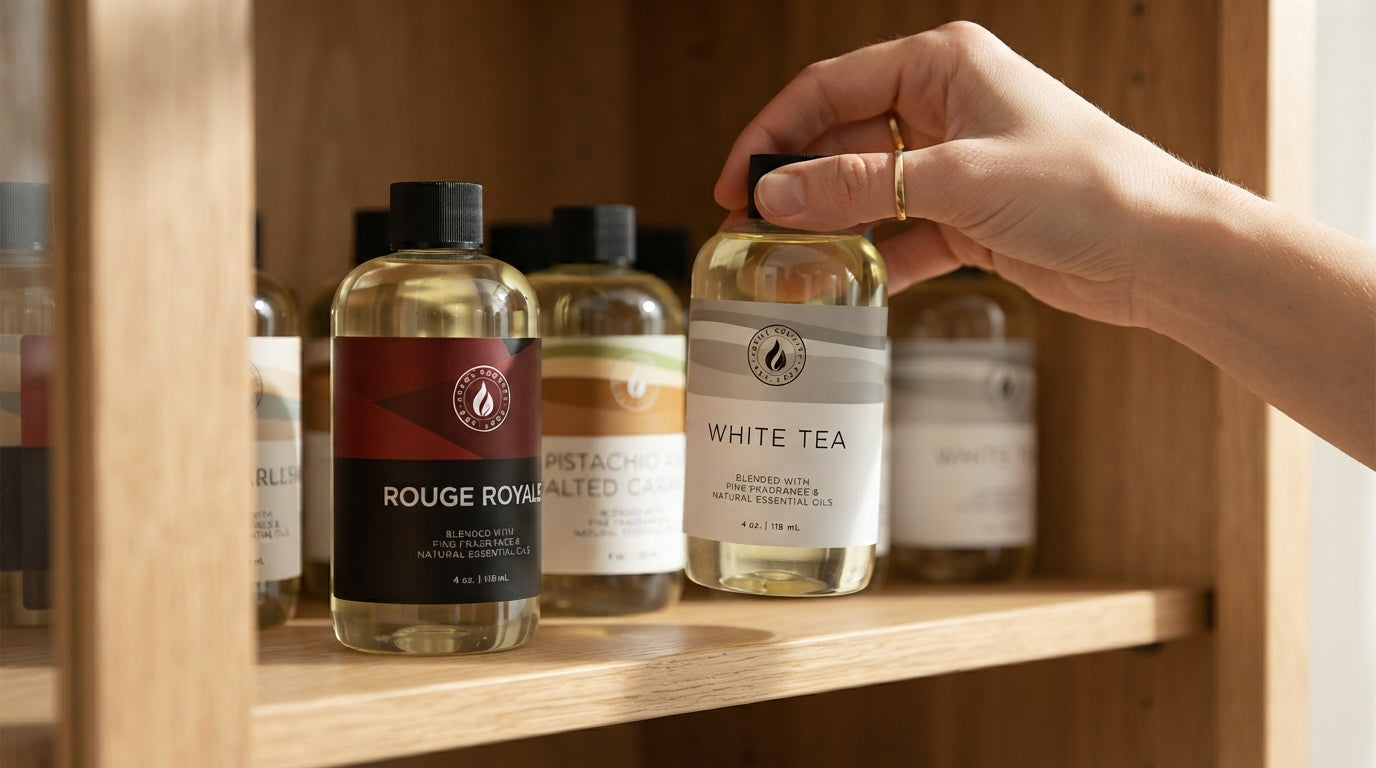
1. White tea diffuser oil
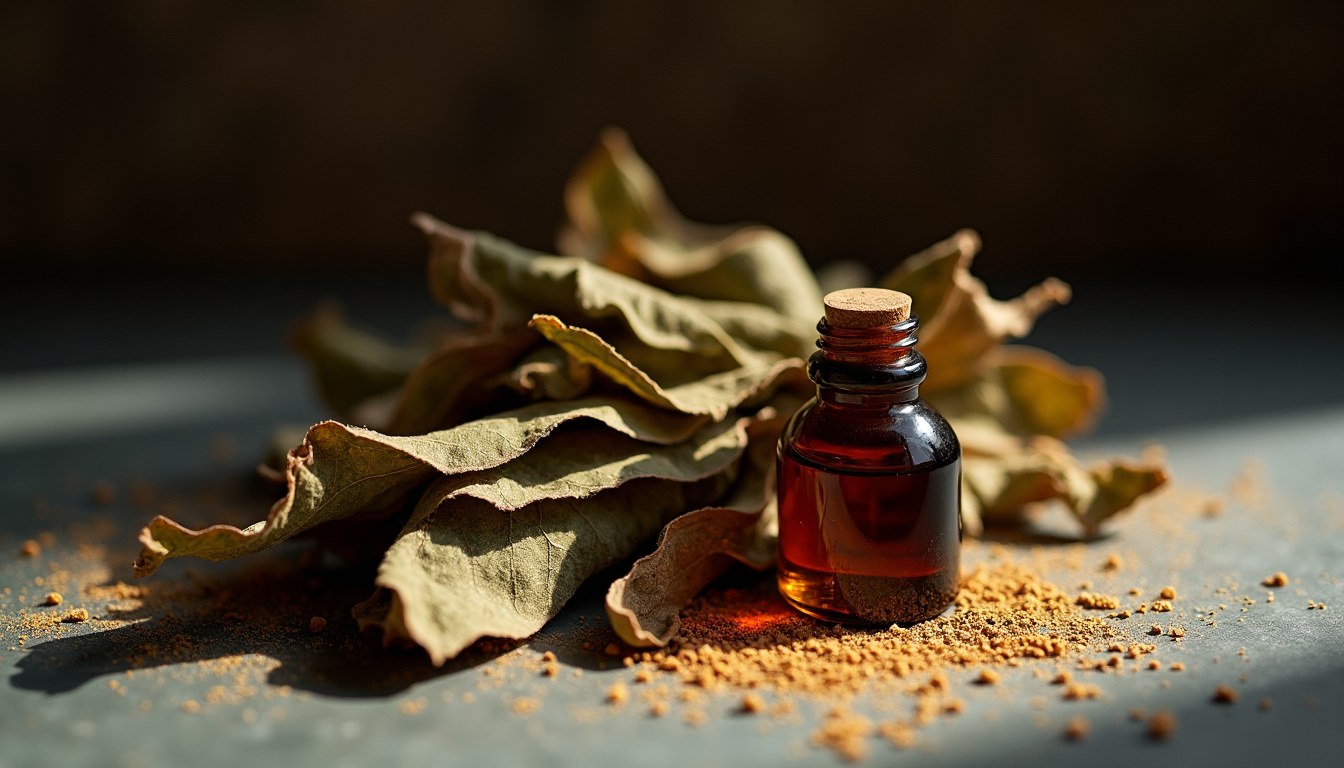
White tea is the lobby standard. It is soft, clean, and polished without leaning floral or fruity. The note carries that freshly kept, well-maintained character that reads as hospitality rather than perfume, which is a big part of why it became the single most recognizable hotel note in the world.
It also has range. White tea works in a small powder room and a wide-open atrium without changing personality, and it pairs easily with almost everything else on this list. That flexibility is exactly what a hotel wants from its base note.
2. Bergamot
Bergamot is the bright citrus top note that opens nearly every hotel signature scent. It is the lift, the sparkle, the first thing the nose catches walking through the door. Without it, a blend feels heavy and a little dated. With it, the whole composition feels current and alive.
Top notes like bergamot are also the most volatile, meaning they are the first to evaporate. That is by design. They make the strong first impression, then hand off to the heavier notes underneath as the scent settles into the space.
3. Sandalwood
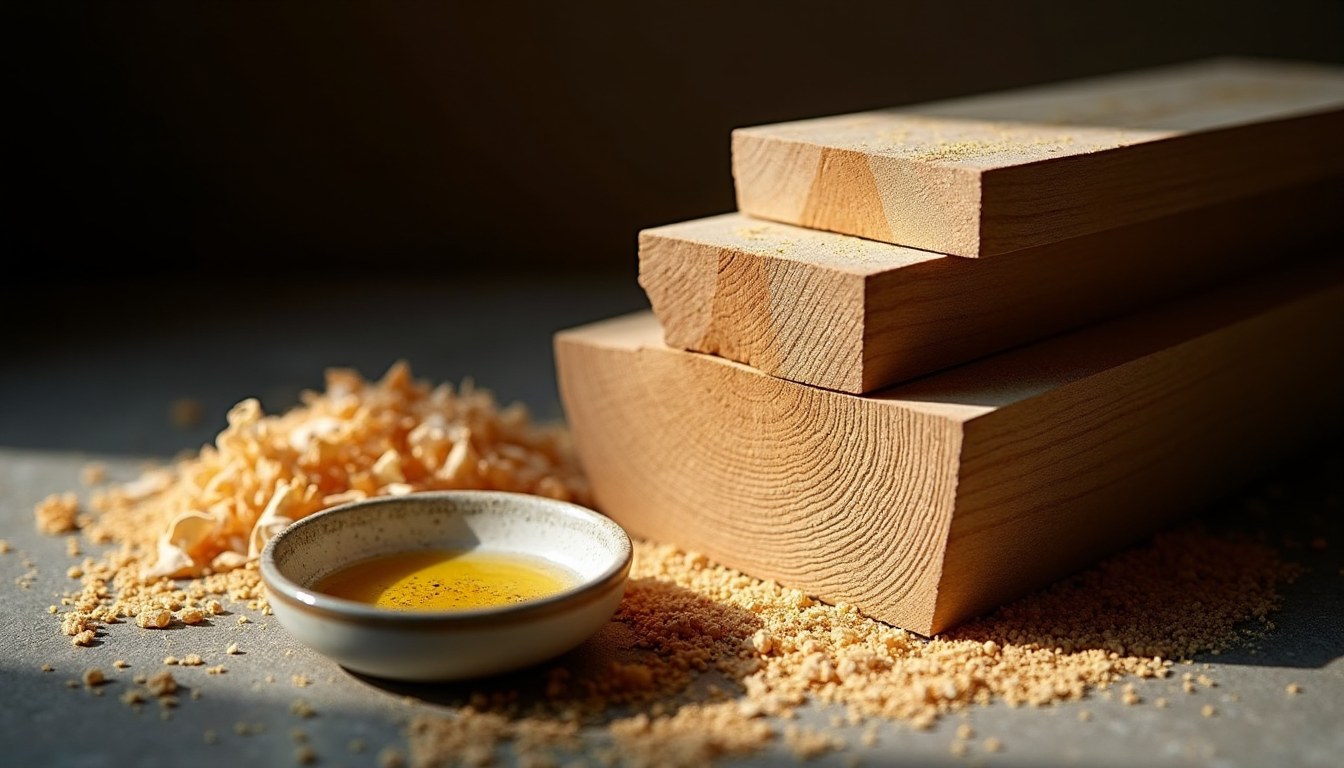
For the base of a signature scent, hotels turn to sandalwood. It is creamy, warm, and grounded without being sweet, and it gives a fragrance the quiet, refined weight people associate with high-end hospitality.
Sandalwood is what perfumers call a base note, which means it evaporates slowly and lingers long after the citrus has lifted away. It also carries beautifully through larger spaces, which is why sandalwood diffuser oil shows up in nearly every hotel blend that needs real presence.

4. Jasmine
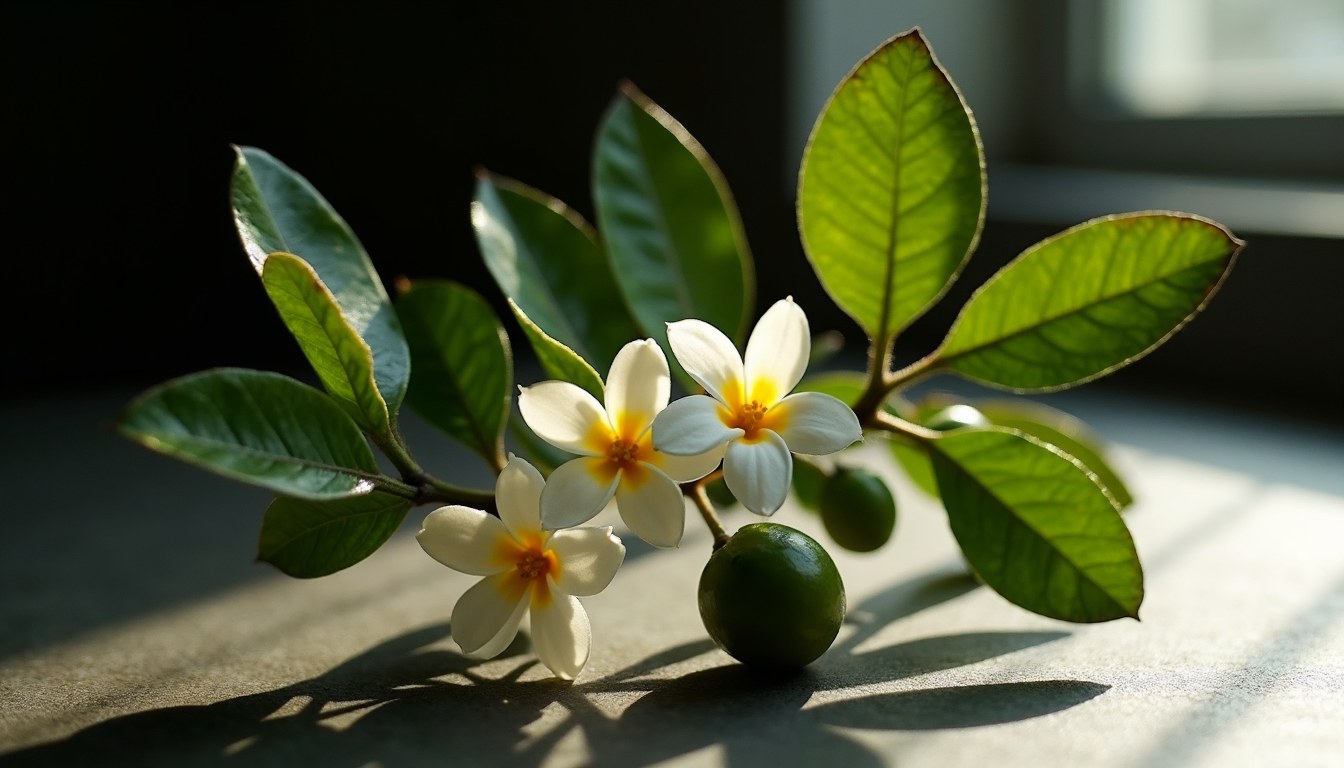
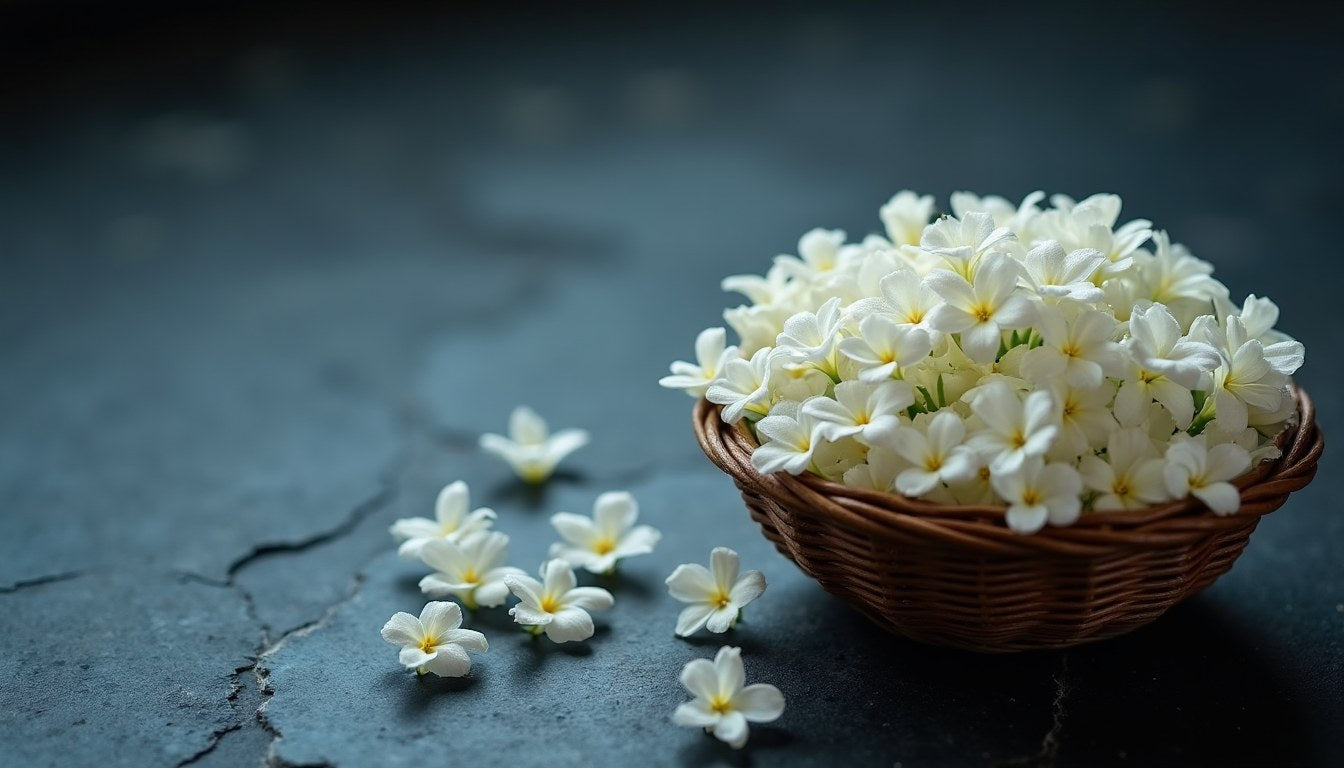
Jasmine is the floral heart note hotels reach for when they want softness without sweetness. It is bright, lifted, and slightly green, which keeps a blend feeling polished rather than perfumed. Jasmine is also part of why a good hotel scent feels memorable, since the note holds real character once it settles into the air.
[product=blooming-jasmine]
Refined fragrance oil centered around luminous jasmine and soft green florals, creating the polished heart and lasting character often associated with luxury hotel scenting.
[/product]
Heart notes like jasmine sit in the middle of the structure, both in timing and in role. They emerge as the top notes fade and bridge the bright opening to the deeper base, giving the fragrance its body and its personality.
5. Cedarwood
The fifth note is the one that ties everything together. Cedarwood is dry, smooth, and quietly woody, and it is the backbone behind a lot of the most recognizable hotel blends. Where sandalwood brings warmth, cedar brings structure. It is what keeps a signature scent from feeling flat or one-dimensional.
You will often find cedar sitting underneath the citrus and florals, doing the work of holding the composition together. It rarely announces itself, but take it out and the whole thing loses its shape.
How the Five Work Together
What makes a hotel scent feel like a hotel scent is not any single note. It is the layering. Perfumers build fragrance in three tiers: top notes that greet you, heart notes that define the character, and base notes that anchor everything and linger longest.
In a typical hotel blend, that looks like bergamot on top for the bright welcome, jasmine in the heart for soft personality, and sandalwood and cedarwood at the base for warmth and structure, with white tea threading through the whole thing to keep it clean. The notes evaporate at different rates, so the scent you smell walking in slowly shifts into something a little deeper as you settle into the space. That gradual unfolding is what makes a good signature fragrance feel considered rather than sprayed.
You do not need a hospitality budget to use the same approach at home. Once you know the five notes and the role each one plays, a single scent diffuser and the right blend can recreate that layered lobby effect in any room.