








Citrus has long been a popular choice for kitchen fragrance. Its bright, clean character works well in food preparation spaces, and its fresh quality complements culinary environments naturally. Yet there's a meaningful difference between citrus scents derived from fruit peel versus those attempting to mimic juice aromas. The distinction lies in chemistry, longevity, and how these oils perform when diffused.
Understanding this difference helps you select more effective kitchen fragrance oils that deliver the bright citrus character you want with better performance and longer-lasting results.
The Chemistry Behind Citrus Peel Oils
Essential citrus oils come from the outer layer of the fruit's skin—the flavedo, or colored part of the peel. This layer contains specialized structures called oil glands that store concentrated aromatic compounds. When fruit peels are cold-pressed, these glands rupture and release their contents, creating highly concentrated citrus oil.
The cold-pressing process:
- Whole fruits are washed and sorted
- Outer peel is mechanically abraded or pressed
- Oil glands rupture, releasing aromatic compounds
- Oil is separated from water and solid matter
- Final product is filtered and bottled
This mechanical extraction method preserves the full aromatic profile without heat degradation or chemical alteration. The result is oil that accurately represents the fruit's natural scent character.
Chemical composition: Citrus peel oils are dominated by terpenes, particularly d-limonene (which typically comprises 90-95% of lemon and orange peel oils). Additional compounds like citral, linalool, and various aldehydes contribute complexity and depth to the overall scent profile.
Juice-based aromas, by contrast, come from the fruit's interior pulp and contain different chemical compositions—primarily water, sugars, acids, and minimal aromatic compounds. When companies attempt to create "juice-like" citrus scents, they're typically using synthetic recreations rather than natural extracts, as fruit juice itself contains insufficient aromatic material for fragrance applications.
[product=citrus-grove]
High quality fragrance oil with a peel-forward citrus profile that reads bright and clean, capturing the crisp character you get from cold-pressed citrus rather than a sugary “juice” note.
[/product]
Performance Differences: Peel vs. Juice-Inspired Scents
The chemical composition of peel oils directly impacts their performance in home fragrance applications.
Aromatic intensity: Peel-derived oils contain 50-100x more aromatic compounds than the fruit's juice. This concentration means smaller quantities are needed to achieve noticeable scent presence in a room.
Longevity: The terpene-rich composition of peel oils creates volatile compounds that diffuse readily but also possess enough molecular weight to maintain presence over time. Synthetic juice recreations often fade more quickly, requiring more frequent reapplication.
Scent accuracy: Natural peel oils deliver the authentic "zest" character that most people associate with fresh citrus—bright, slightly bitter, and aromatic. Synthetic juice scents tend toward simple sweetness without the complex top notes that make citrus fragrance distinctive.
Diffusion behavior: Cold-pressed peel oils disperse evenly through air when properly diffused, creating consistent atmospheric presence. Their terpene content allows them to travel through spaces effectively without clinging to surfaces or creating oily residue.
Our Best Kitchen Scents
Kitchen environments present unique fragrance challenges. Food preparation creates temporary but strong aromas that can linger in the space. Post-cooking scent management requires fragrances that refresh without clashing with residual food aromas or overwhelming the environment.
Citrus peel oils—the backbone of our best kitchen scents—address these challenges effectively:
Clean character: The bright, slightly astringent quality of peel oils creates atmospheric freshness that works well in food-adjacent spaces without competing with culinary scents.
Quick dispersion: High terpene content means these oils disperse rapidly when diffused, creating immediate atmospheric impact—useful for quick refreshing between cooking sessions.
Natural pairing: Citrus naturally complements food environments. The scent doesn't feel foreign or artificial in kitchen spaces where citrus fruits are commonly used ingredients.
Moderate persistence: Peel oils maintain presence long enough to refresh the space (typically 30-90 minutes depending on diffusion method) but dissipate before the next meal preparation, avoiding scent buildup.
Versatility: Unlike heavier fragrances that can clash with food aromas, citrus peel scents work across different times of day and various kitchen activities.
Citrus Varieties: Character Differences
Each citrus peel oil offers distinct scent characteristics suited to different preferences and kitchen styles.
Lemon (Citrus limon):
- Bright, sharp, clean character
- Slightly astringent top notes
- Works well in modern, minimalist kitchens
- Pairs naturally with herbal scents (rosemary, thyme)
Sweet Orange (Citrus sinensis):
- Rounder, warmer citrus profile
- Gentle sweetness without cloying quality
- Suits traditional and farmhouse kitchen aesthetics
- Complements vanilla and soft spice notes
Grapefruit (Citrus paradisi):
- Bright with slight bitter edge
- Crisp, refreshing, slightly green character
- Ideal for contemporary spaces
- Pairs well with mint and cucumber accords
Bergamot (Citrus bergamia):
- Complex citrus with floral undertones
- Sophisticated, less "kitchen-typical" profile
- Works in kitchens connected to formal dining
- Blends beautifully with soft florals and tea notes
Mandarin (Citrus reticulata):
- Gentle, approachable sweetness
- Soft, less acidic than other citruses
- Suitable for smaller or cozier kitchen spaces
- Pairs with warm spices and gentle woods

Enhancing Citrus with Complementary Notes
While single-note citrus peel oils perform well independently, combining them with complementary scent families creates more refined and complex kitchen fragrance profiles.
Citrus + Herbs: Pairing lemon or grapefruit with basil, rosemary, or mint creates fresh, green character that feels natural in kitchen environments. The herbal notes add depth and prevent the fragrance from feeling one-dimensional.
Citrus + Soft Florals: Combining orange or bergamot with neroli, chamomile, or white tea creates gentler profiles suitable for open-concept homes where kitchen scent drifts into living spaces. The floral notes soften citrus brightness.
Citrus + Light Woods: Adding cedar or cypress base notes to citrus top notes creates grounded profiles with better longevity. The wood tones provide foundation while citrus maintains atmospheric lift.
Citrus + Mineral/Aquatic: Blending grapefruit or lemon with ozonic or mineral notes creates extremely clean, modern profiles that work well in contemporary kitchen designs.
These combinations work because citrus peel oils are highly compatible—their terpene-rich composition blends seamlessly with most other natural fragrance families.
Diffusing Citrus Peel Oils in Kitchen Spaces
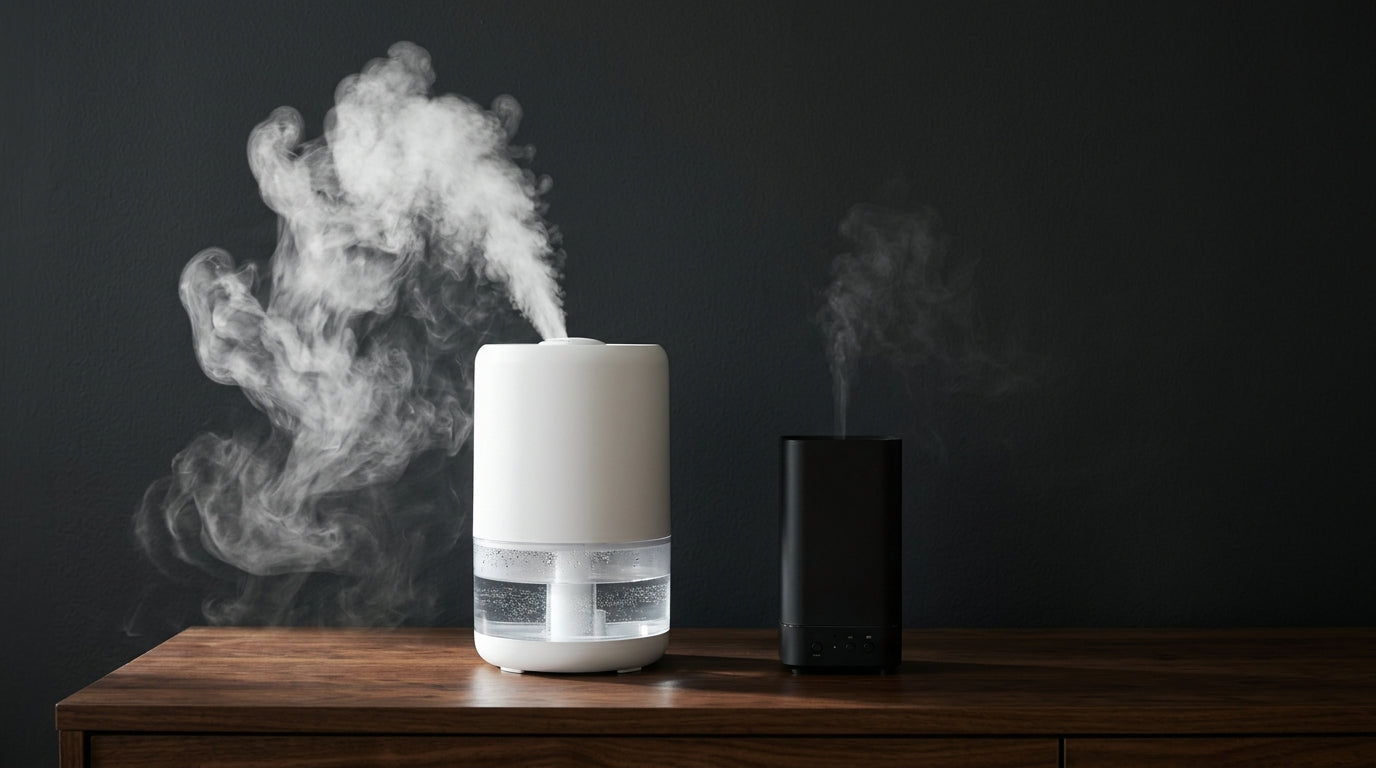
Cold air diffusion represents the most effective method for enjoying citrus peel oils in kitchen environments. This technology preserves the oil's chemical integrity while providing controlled, consistent dispersion.
Advantages of cold air diffusion for citrus:
No heat degradation: Terpenes are volatile and heat-sensitive. Cold air diffusion preserves the full scent profile without the bitter or burnt notes that can develop when citrus oils are heated.
No water dilution: Nebulizing technology disperses pure oil without water carrier, maintaining concentration and scent accuracy.
Adjustable output: Variable intensity settings allow matching scent strength to room size and activity level—lighter output during cooking, stronger output for post-meal refreshing.
Clean operation: Dry mist technology leaves no residue on kitchen surfaces, important in food preparation environments.
Timed cycles: Programmable diffusion allows targeted scenting (15-30 minute cycles after cooking) rather than constant operation.
Practical Placement Strategies
Effective kitchen scenting requires strategic diffuser placement that allows fragrance to disperse naturally without interfering with food preparation.
Recommended locations:
- Kitchen island ends (away from active cooking zones)
- Open shelving or console tables near kitchen perimeter
- Breakfast nook or dining peninsula areas
- Entryways connecting kitchen to other spaces
Avoid placing diffusers:
- Within 3 feet of active cooktop or oven
- Directly above food preparation surfaces
- In enclosed pantries or cabinets (limits dispersion)
- Near sink areas (moisture exposure)
For optimal results:
- Position diffuser where natural airflow exists (near doorways, windows, or ventilation)
- In open-concept homes, place diffuser to allow scent drift into adjacent spaces
- Keep diffuser elevated (counter-height) for better air circulation
- Ensure adequate clearance (6+ inches) around diffuser for proper air intake
Usage Timing and Duration
Citrus peel oils work best when diffused strategically rather than continuously:
Post-cooking refreshing: 15-30 minute cycle after meal preparation clears lingering food aromas and resets the space.
Pre-guest arrival: 20-30 minutes before guests arrive creates fresh atmospheric presence.
Morning kitchen prep: 15-20 minutes during breakfast preparation establishes clean scent for the day.
Evening reset: 10-15 minute cycle after dinner cleanup prepares the space for next use.
Between-meal maintenance: Brief 5-10 minute cycles maintain freshness during inactive periods.
Because peel oils are highly concentrated, shorter cycles at moderate intensity typically outperform longer cycles at low intensity.
Final Thoughts
Citrus peel oils offer distinct performance advantages over juice-inspired synthetic scents for kitchen fragrance applications. Their concentrated aromatic composition, authentic scent character, and effective diffusion properties make them particularly well-suited for food preparation environments.
By understanding the chemistry behind peel extraction, the performance characteristics of different citrus varieties, and proper diffusion techniques, you can make informed selections that deliver the bright, fresh atmosphere you want in your kitchen.
Whether you prefer sharp lemon character, warm orange tones, or sophisticated bergamot complexity, peel-derived citrus oils provide the foundation for effective, pleasant kitchen scenting that complements rather than competes with your culinary environment.