




Winter Scents for Home
Winter changes the role your home plays. In winter your home becomes the place you retreat to, the center of long evenings and slow weekends when going out feels like more effort than staying in. This collection brings together eight winter scents spanning three families: warm woods, soft gourmands, and rich profiles.

Why Winter Fragrance Needs to Be Different
Winter is the most extreme version of an indoor environment. Fall homes still get the occasional open window. Winter homes run heat through every room for months, with almost no air coming in from outside.
That changes how fragrance behaves. Light, fresh profiles that worked in other seasons simply disappear in heated winter air - they read as thin and get lost. Warm scents need more weight and body to register at all. At the same time, because there's so little air exchange, anything too strong builds gradually and has nowhere to go.
Winter scents are formulated for this exact balance. They have the depth to remain noticeable in dry, heated rooms, and the richness that feels right when it's cold and dark outside. They're built to be lived with for months rather than sampled for an afternoon.

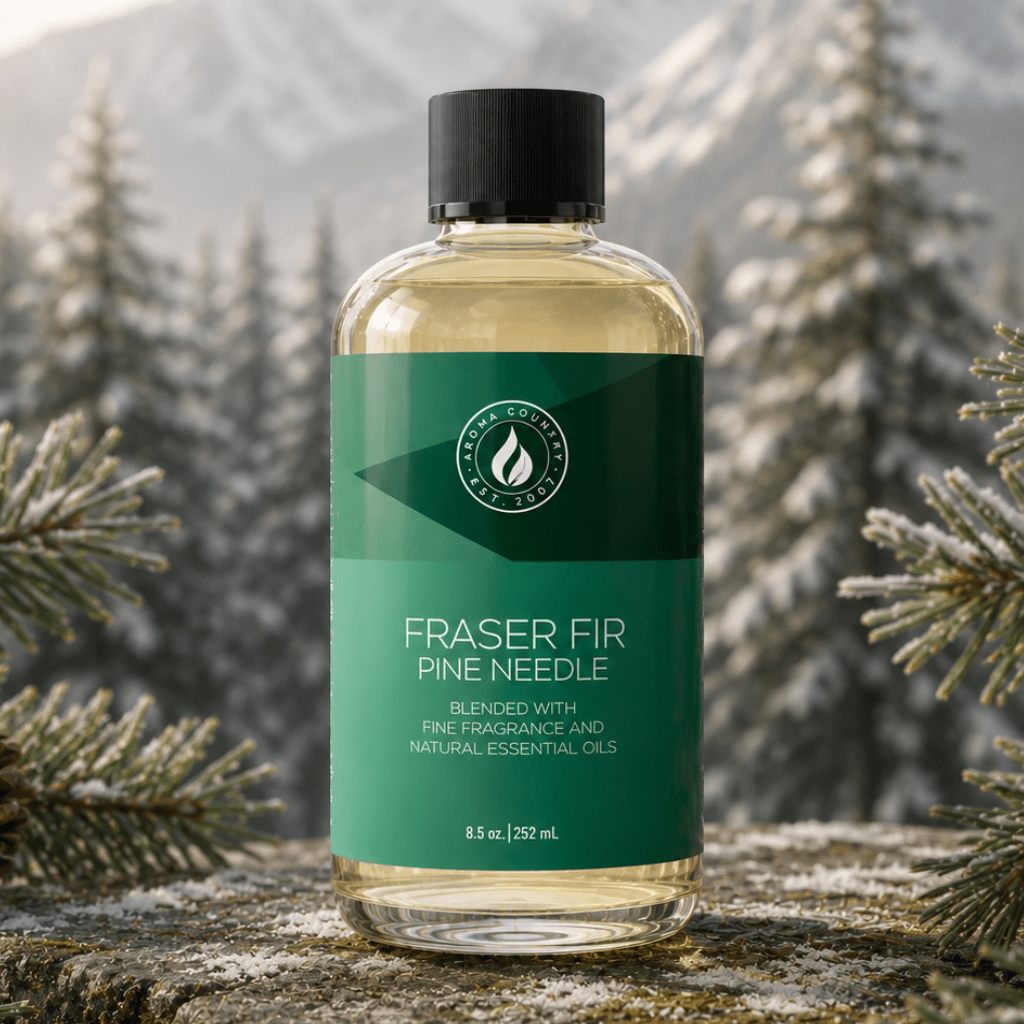
Fraser Fir / Pine Needle
$34.95
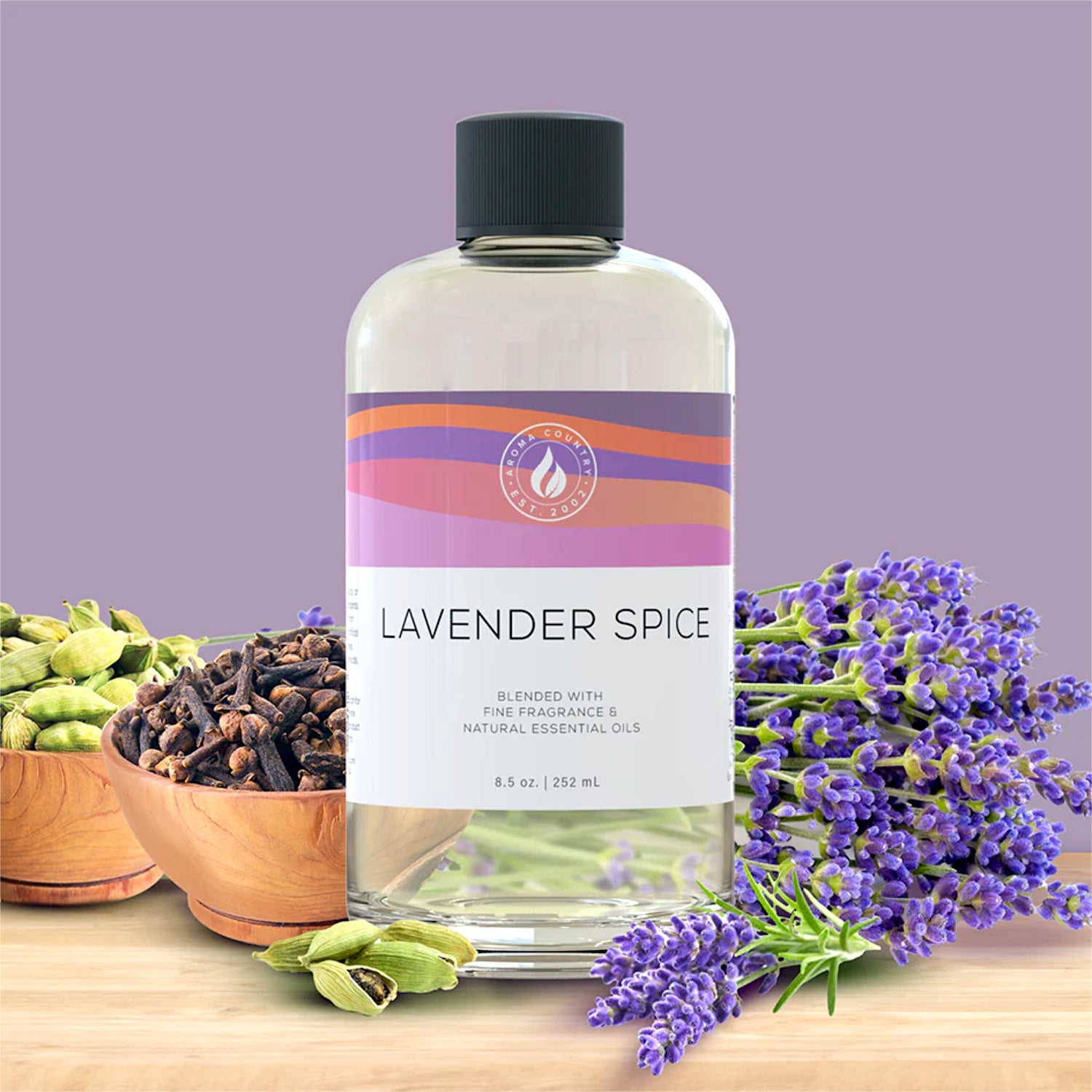
Most people file lavender under spring, but it works beautifully in winter when it's paired with warmth. On its own, lavender can feel cool and herbal. Blended with spice, as in Lavender Spice, it takes on cinnamon and cardamom warmth that fits the season. The floral keeps it from feeling heavy, while the spice grounds it for cold weather. It's a good pick if you want something calming that doesn't lean sweet or gourmand like most winter profiles.
You can, but most won't perform the way you want. Light, fresh summer profiles like citrus and clean linen fade fast in dry, heated winter air and read as thin. Winter rewards fuller, warmer scents with more body. If you love a summer profile, the better move is finding a deeper version of what you like rather than running the bright original through the cold months, where it tends to get lost.
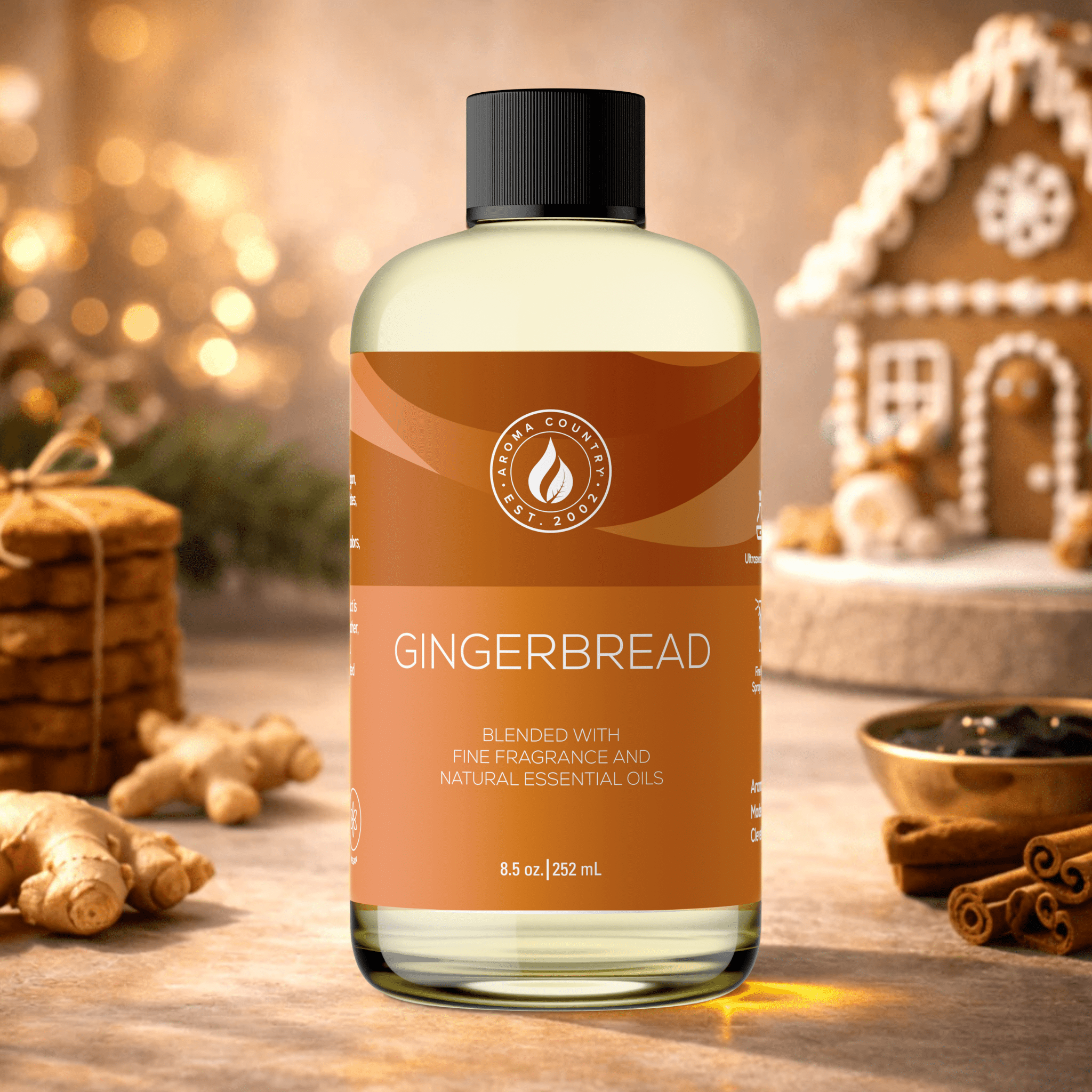
Both, and it shifts depending on what it's paired with. With apple, pumpkin, and clove, cinnamon reads as fall. With vanilla, molasses, and warm baked notes, as in Gingerbread, it carries straight through winter and into the coldest months. The note itself is seasonless. What surrounds it decides whether it feels like October or January. If you want cinnamon that holds up past the holidays, look for it blended with deeper, sweeter notes rather than fruit.
Winter homes have far less ventilation than the rest of the year. With windows closed and heat running, fragrance stays in the air longer and builds gradually instead of clearing out. The same diffuser setting that felt right with the windows open in summer can feel overwhelming in a sealed winter room. Most people find they need to dial their settings down a notch or two once the cold sets in.
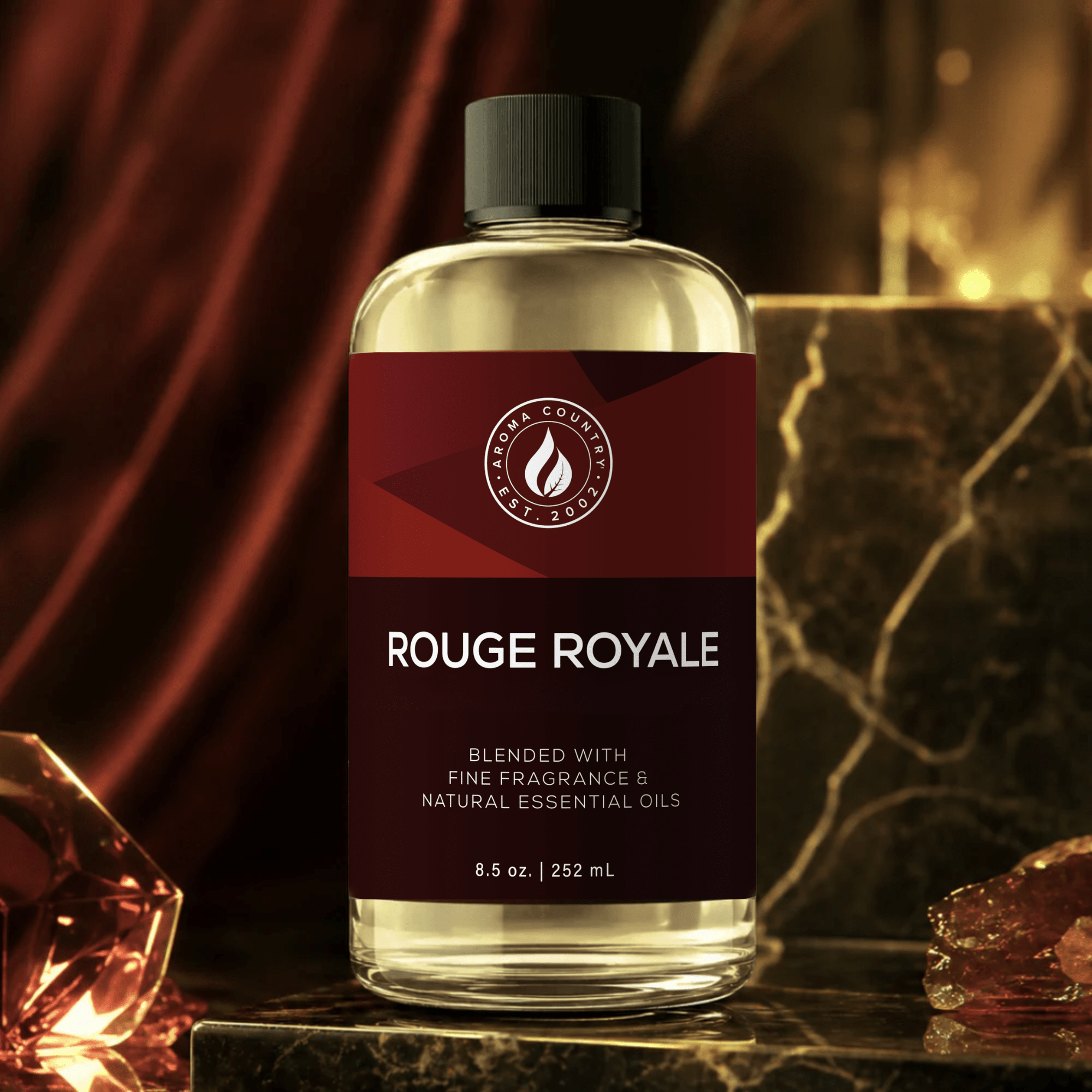
Amber is one of the most winter-appropriate notes there is. It's warm, resinous, and full-bodied, with a richness that registers in heated indoor air where lighter notes fade. Amber profiles like Rouge Royale anchor a room with depth that feels right when it's dark and cold outside. It's the kind of note that would feel heavy in summer heat but reads as sophisticated and settled in winter.


