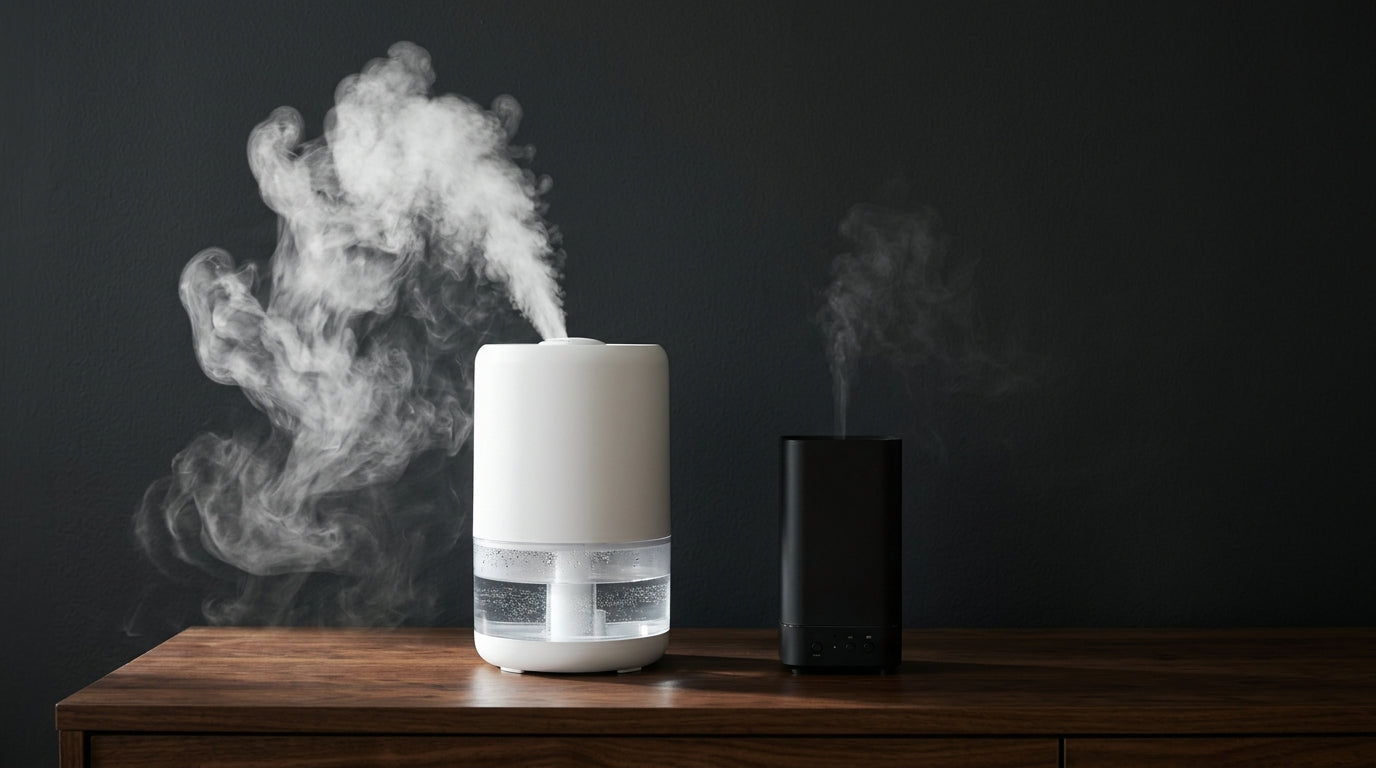





Summer changes the physics of how your home and vehicle smell. Higher temperatures, heavy humidity, and increased daily activity all combine to create a perfect storm for odors.
Anyone who has opened a hot car door and been hit with the heavy scent of gym clothes or yesterday’s takeout knows the reality: Heat makes smells "thicker."
A mild scent can turn into an overpowering one in a matter of minutes. But once you understand how heat affects odor molecules, it becomes much easier to stop the smell before it spreads.
The Science: Why Heat Makes Odors Travel
Summer odors become stronger because of two main factors: Molecular Volatility and Bacterial Bloom. It might sound technical, but it plays out in very familiar ways.
1. Heat Increases "Volatility"
Warm air gives odor molecules more energy. They break away from surfaces faster and move through a room more aggressively. This is why a pair of sneakers that smelled "okay" at noon can smell sharp and sour once the afternoon sun hits them.
2. Humidity acts as "Odor Glue"
Moist air binds scent particles to fabrics like carpets, couches, curtains, and car upholstery. Once these materials heat up, they release that trapped, damp scent back into the air.
3. Bacteria Thrives in the Warmth
Sweaty clothing and damp towels provide the perfect environment for microbial activity. As bacteria multiply in the heat, they create additional odor compounds.
Visualizing the Problem: Think of odor molecules like people in a crowded room. When it's cold, everyone is standing still. But when the temperature rises, it’s like someone turned on loud music—suddenly, everyone starts moving faster and dancing. The faster they move, the farther the scent travels.
Why Masking Sprays Fail in Summer
When a room smells "off," the instinct is often to light a candle or spray a floral mist. In July, this usually backfires.
Scented sprays add more molecules to the air, but they do not change the chemistry of the odor underneath. In the summer heat:
-
The original odor molecules rise and intensify rapidly.
-
The masking fragrance breaks down quickly in the warm air.
-
The result is a heavy, cloying mix of "perfume" and "bad odor."
The Solution: You need to reduce what the air is carrying, not add to it. An odor eliminating spray bonds with the odor compounds to stop them from releasing, creating actual freshness rather than just a cover-up.
4 Summer "Hot Spots" (And How to Treat Them)
These areas collect odors quickly because of how heat interacts with the materials. Addressing them early prevents the spread.
1. The Car
A parked car acts like an oven, baking odors into the upholstery.
-
The Fix: Spray the seats, trunk liner, and floor mats after removing anything damp.
-
Pro Tip: Treat the bottom of the cupholders. Spilled coffee or soda leaves a sticky residue that ferments and smells sour once the vehicle heats up.

2. The Gym Bag
Sweat compounds activate rapidly in warm air.
-
The Fix: Empty the bag immediately. Spray the inside fabric, pockets, and especially the straps, which often hold the strongest odor because they absorb sweat directly from your skin.
3. The Kitchen Trash
Food residue breaks down exponentially faster in heat.
-
The Fix: Spray the inside bottom of the empty trash bin before inserting a new liner. Also, refresh the rug in front of the sink, where water drips and food crumbs tend to settle.
4. Laundry Hampers
Wet towels and clothing generate odor-causing activity within hours.
-
The Fix: Spray the inside of the laundry basket itself. If wet clothes must sit for a few hours before washing, treat them with a light mist.
Your Summer Freshness Checklist
Make this routine a habit to prevent the slow buildup of "stale" summer air.
-
[ ] Reset the Mats: Treat kitchen rugs and entry mats at the end of the day.
-
[ ] Refresh Fabrics: Mist throw blankets and cushion covers that absorb humidity.
-
[ ] Pre-Treat Gear: Spray sweaty gear and damp towels immediately.
-
[ ] Ventilate: Open windows during the coolest part of the morning to release trapped air.
-
[ ] Daily Defense: Keep a bottle in the rooms where odors appear most often so you can treat the source instantly.
The "Nose Blindness" Trap
Your nose adapts to familiar smells to help you focus. During summer, this adaptation happens faster because the air is so saturated with scent molecules. Visitors notice what you no longer detect.
By maintaining a consistent odor neutralizer routine, you ensure your home and car stay welcoming for anyone who steps inside—including you.