





Why Hotel Scent Matters
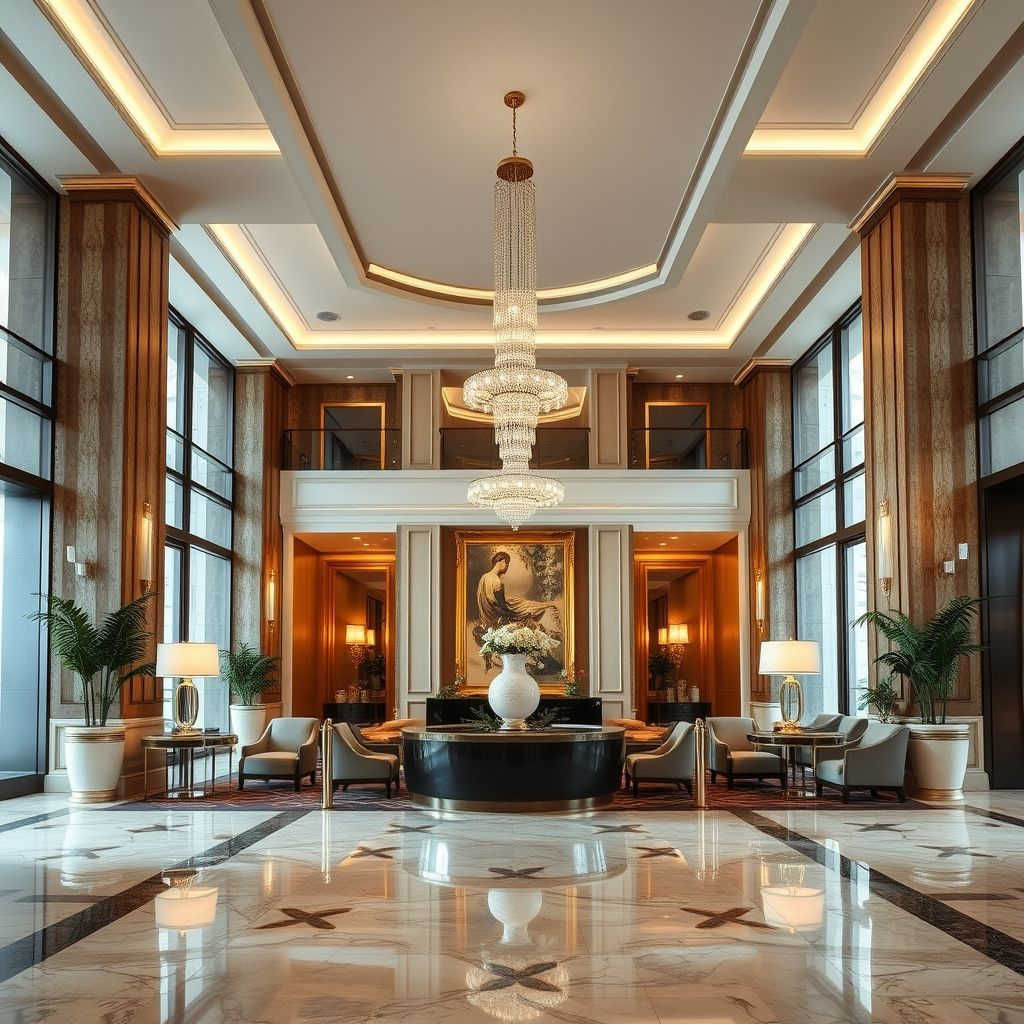
Luxury hotels understand something most homeowners overlook: scent creates the first impression. Before guests notice décor or design, they notice how the space smells. A refined scent shapes that arrival moment, creating an atmosphere that feels polished and intentional rather than overwhelming or artificial.
Hotel scent works because it is consistent. Every space carries the same carefully chosen aroma, which creates sensory continuity throughout the property. This consistency signals attention to detail and quality. When replicated at home using similar scenting strategies, this same approach creates a cohesive atmosphere that feels sophisticated and well-designed.
[product=luxury-hotel]
Luxury fragrance oil crafted for a consistent signature profile across multiple rooms, creating that polished first impression without feeling overpowering or artificial.
[/product]
The Luxury Hotel Scents Hotels Actually Use
High-end hotels rely on fragrance profiles built around clarity, freshness, and balance. Each scent category serves a specific atmospheric purpose:
Fresh Citrus Peel – Adds brightness and a clean, open character to spaces
Clean Florals – Light florals add elegance without sweetness, balancing sharper citrus notes
Soft Woods – Notes like cedar, sandalwood, and blonde woods create depth and sophistication
Linen-Style Airy Notes – These fresh accords mimic clean fabrics and open windows, keeping fragrance breathable
Light Musk – Subtle musk provides structure and warmth, creating a polished foundation
Together, these layers create the signature atmosphere people recognize in world-class hotels.
Home vs Hotel Scenting
Homes can absolutely replicate hotel fragrance design, but there are practical differences to understand.
Hotels use steady scenting that runs consistently through public spaces. The output is low but constant, maintaining a continuous baseline fragrance presence.
Homes don't need continuous diffusion. Instead, homeowners benefit from controlled scent cycles—short, scheduled intervals that keep the air fresh without oversaturating smaller residential spaces.
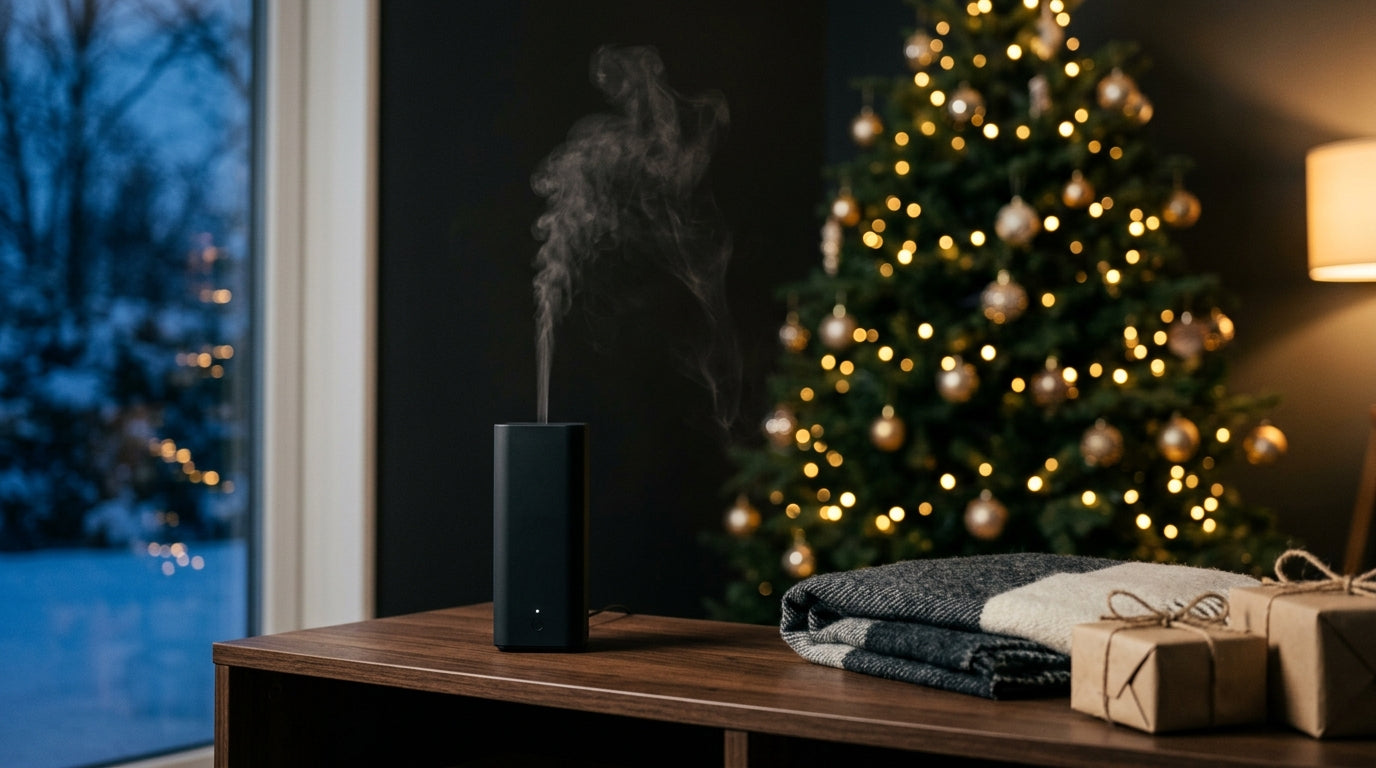
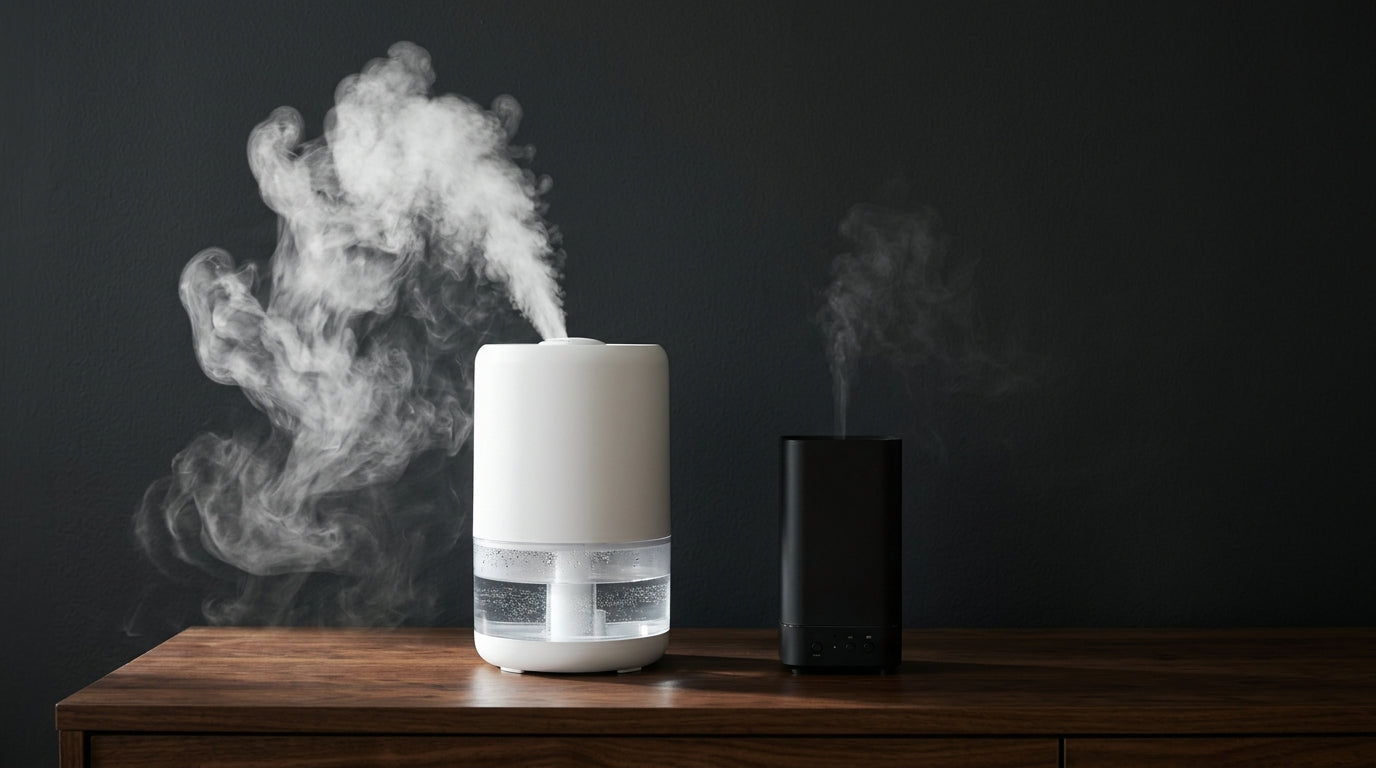
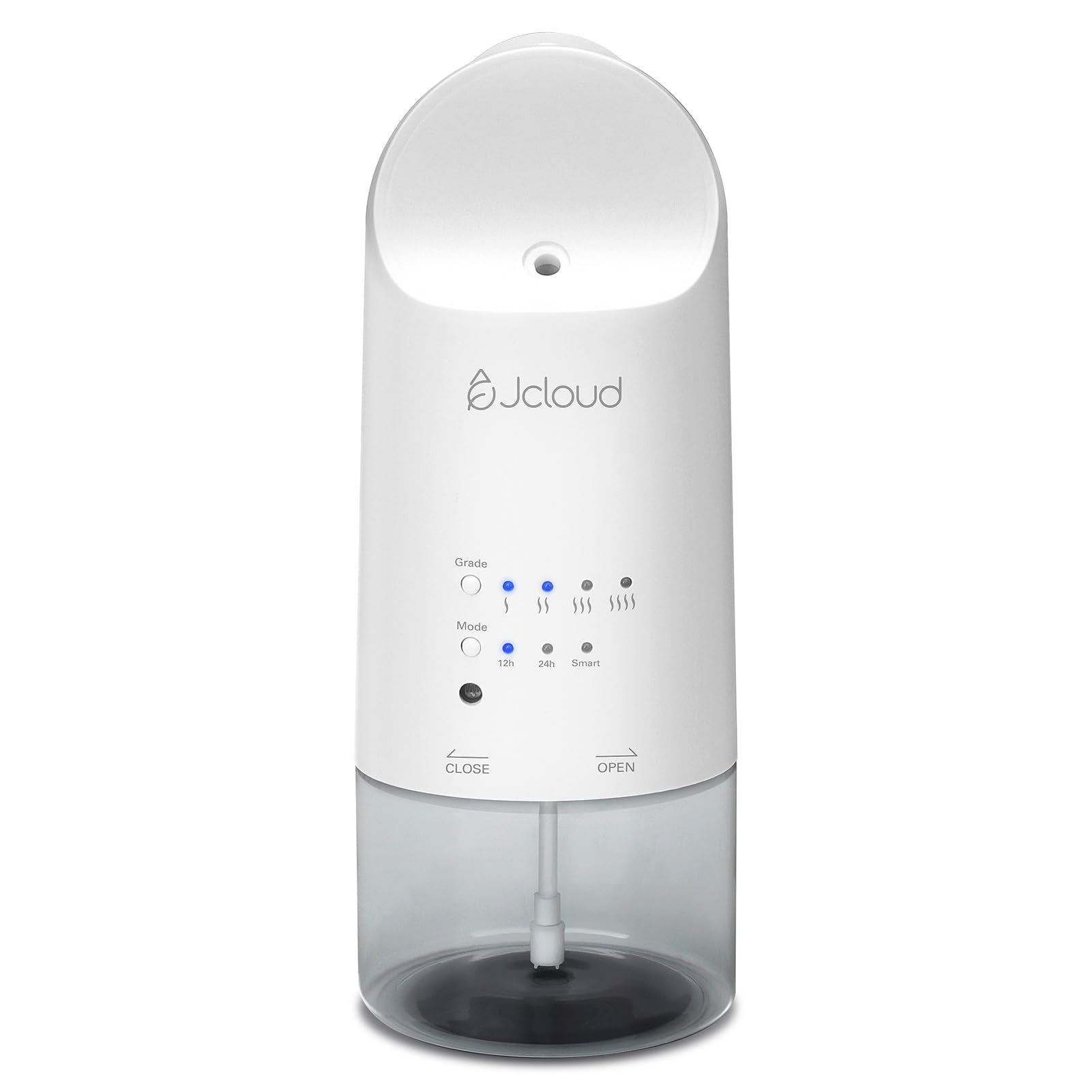
Hotels rely on commercial fragrance systems that use cold air diffusion technology. These systems preserve fragrance integrity and allow precise intensity control. Homeowners using cold air scent diffusers can achieve similar results, while candles, plug-ins, and heated devices cannot produce the same level of consistency or scent purity.

The Five Elements of Hotel-Level Home Scent
To recreate a luxury hotel atmosphere at home, focus on five essential components:
- Clean Base Scent – A soft, neutral foundation that keeps the air feeling open and uncluttered
- Subtle Florals – Gentle floral notes that add sophistication without becoming overpowering
- Light Airy Musk – Creates smooth transitions between scent layers and adds refined warmth
- Fresh Citrus Top – Bright top notes that provide openness and contemporary character
- Steady Diffusion – Cold air diffusion ensures even coverage and maintains scent quality throughout the space
These elements work together to build a fragrance profile that feels elevated, polished, and professionally designed.
Best Oils to Create a Luxury Hotel Atmosphere
Choose oils that serve as foundations rather than overpowering accents. These blends mirror the refined balance hotels rely on:
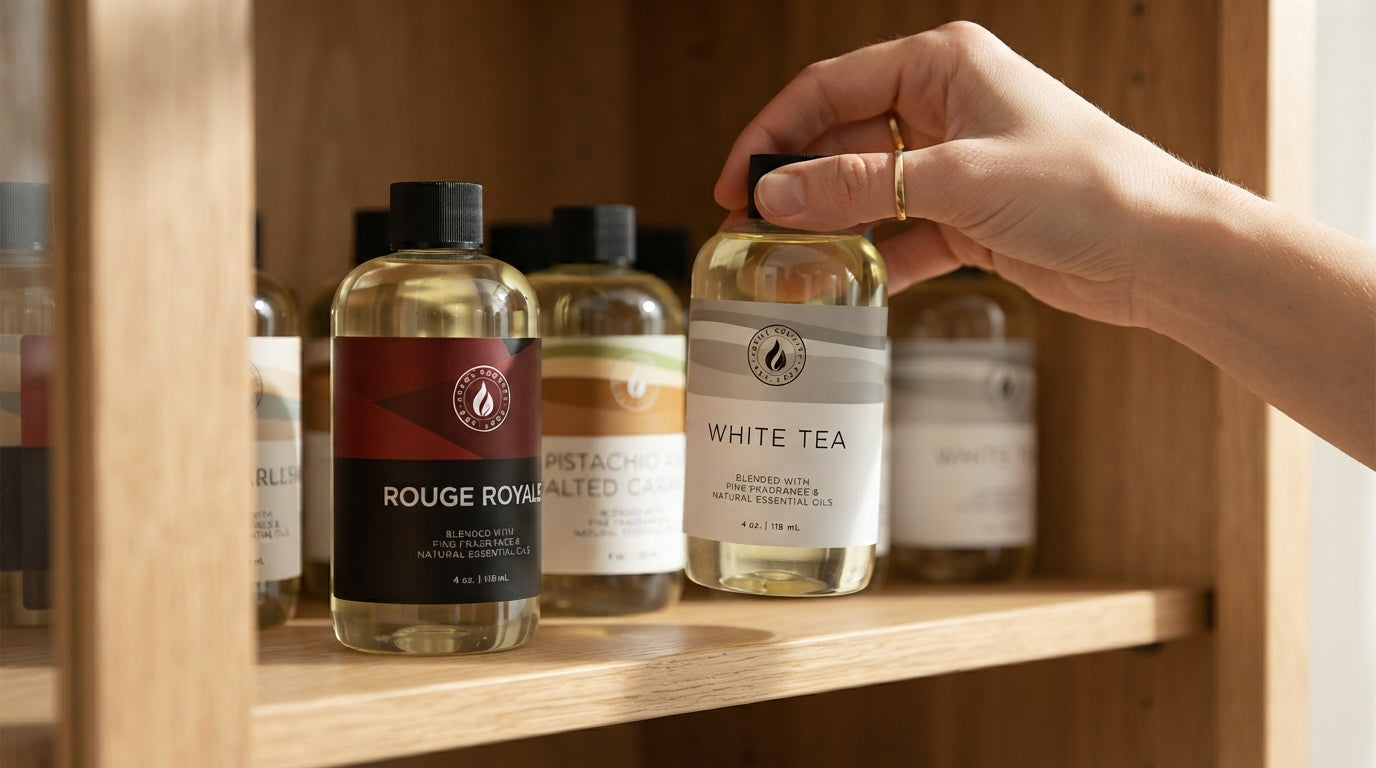
Luxury Hotel – Inspired by the World's Finest Hotels- A bright, modern blend with clean citrus and polished woods. Ideal as your home's signature hotel-style scent.
White tea diffuser oil- Soft, airy, and refined. Perfect for living rooms, bedrooms, and open spaces where you want a sophisticated presence.
Neroli- A gentle floral that adds elegance without heaviness. Creates depth and refined character.
Beach House- Fresh, clean, and light. Brings an open-air quality that complements modern interiors.
Use one as your primary scent and rotate others seasonally or by room. Consistency creates a recognizable scent identity for your home.
Where to Place Your Diffuser to Copy Hotel Strategy
Hotel scenting succeeds because of strategic placement. Use these same approaches at home:
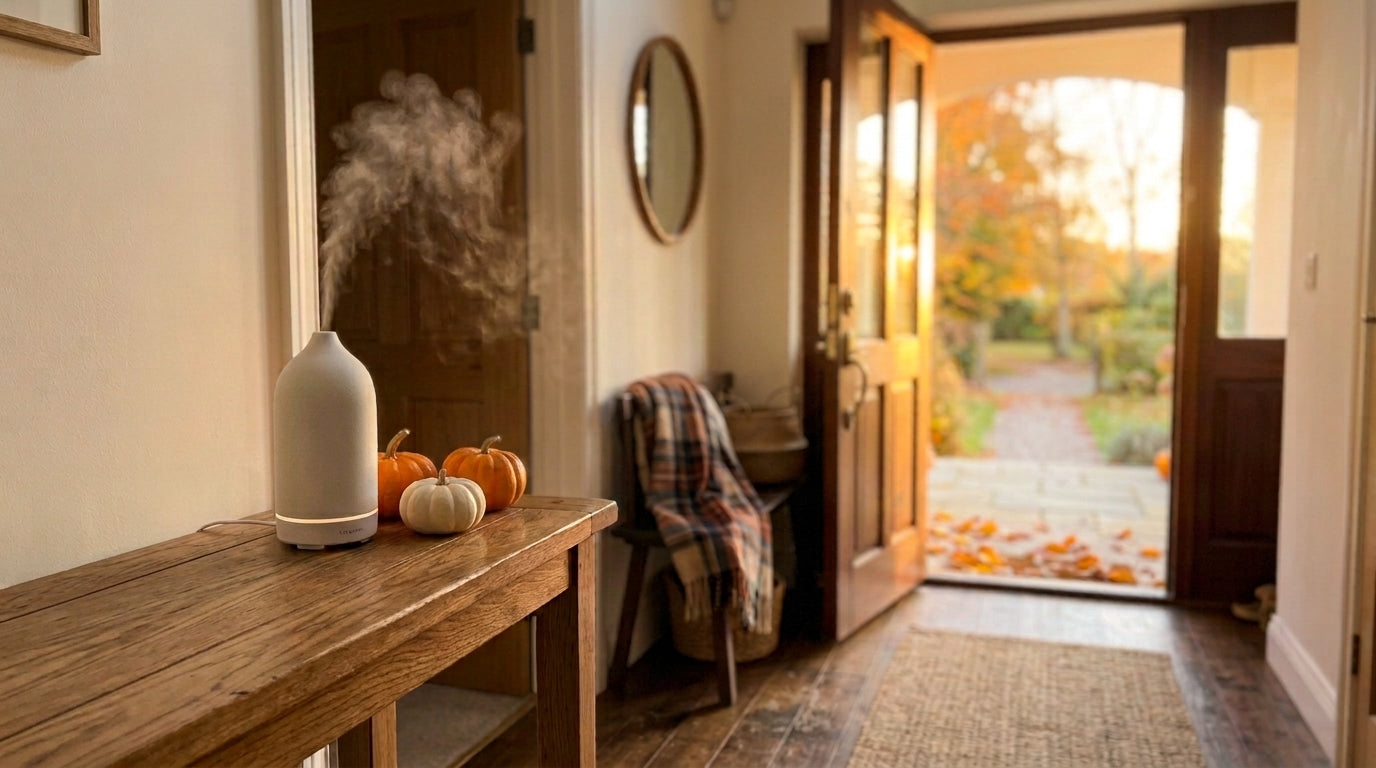
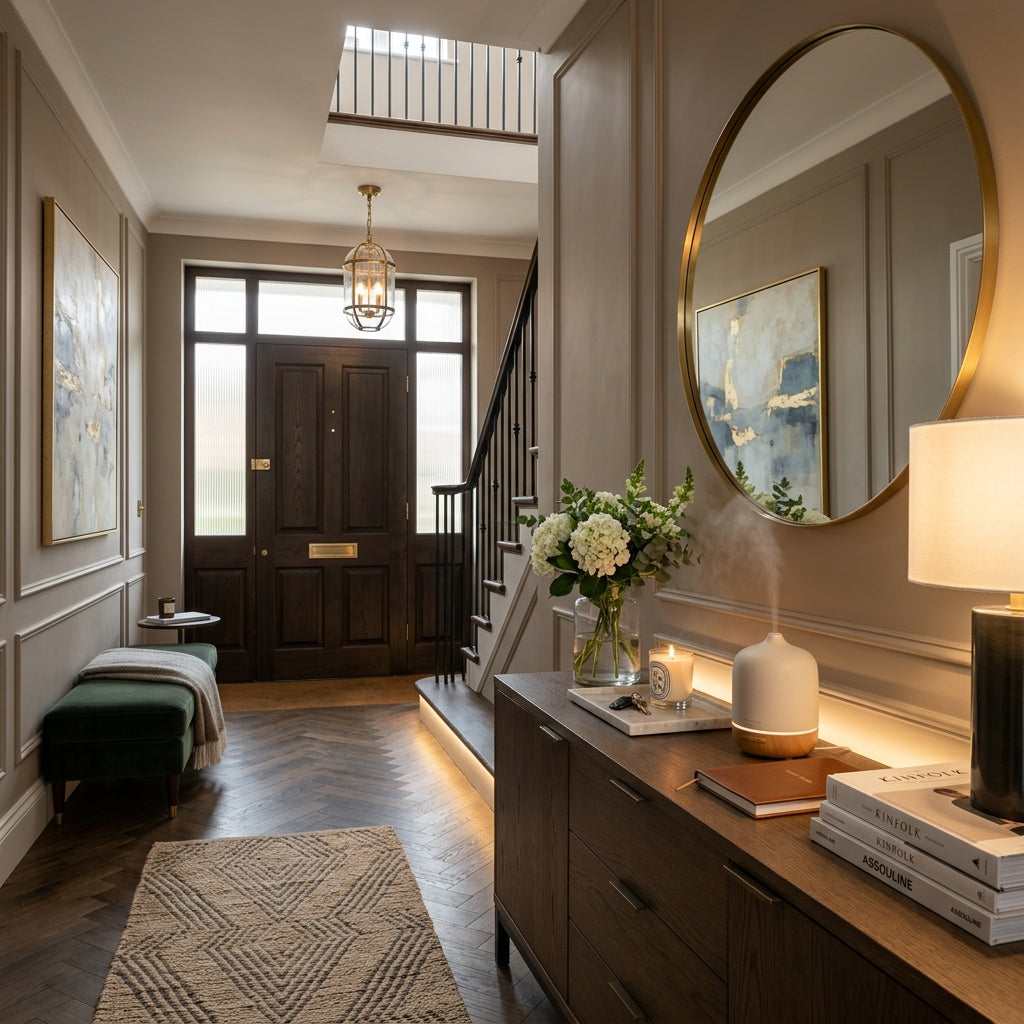
Entryway – This is where the arrival moment happens. Low, steady output creates an immediate impression of quality.
Living Room – Use balanced blends that complement the space. Keep diffusion subtle to avoid overwhelming guests or family.
Hallways – Light scenting maintains continuity between rooms without creating concentration in any single area.
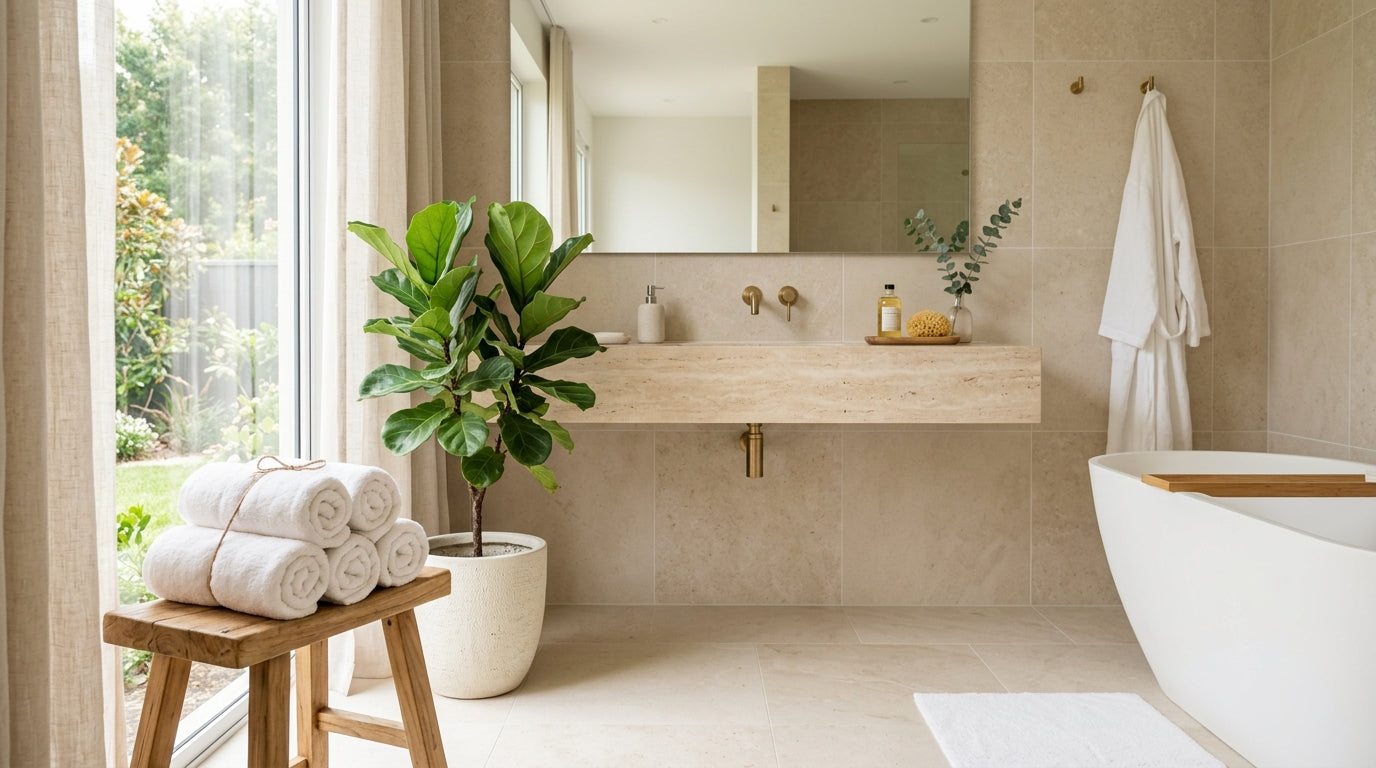
Bathroom – Fresh and clean, our best bathroom scents work well here. Keep intensity lower in smaller bathrooms.
Bedroom – Use the softest settings with gentle, neutral bedroom scents rather than bold or complex blends.
Cold air diffusers allow placement flexibility without residue, heat, or moisture concerns.
What to Avoid (Common Mistakes)
Some fragrance choices disrupt the hotel atmosphere rather than support it.
Avoid:
- Strong cinnamon or baking spice
- Heavy bakery scents (vanilla cake, cookies)
- Overly sweet sugar aromas
- Inexpensive plug-ins or heated oil burners
- Frequent changes between dramatically different fragrances
- High-intensity output settings in residential spaces
Hotel scenting succeeds because it is subtle and consistent. The fragrance should complement the room's design, not dominate the sensory experience.
Bringing the Hotel Arrival Moment Home
Luxury hotels design scent with intention. They understand the importance of the first impression when someone enters a space—the immediate sensory experience that communicates quality and attention to detail. You can create the same signature arrival moment at home by choosing refined oils, placing your diffuser strategically, and keeping intensity appropriately balanced for residential spaces.
A cold air diffuser gives your home the polished, consistent scent quality found in world-class properties. Oils such as Luxury Hotel, White Tea, and Neroli offer clean foundations that make any room feel more sophisticated and well-designed.
This approach transforms your home into a space with its own scent signature—one that welcomes you each day with the same refinement and polish found in the finest hotels.